
Stress isn’t just in your head. It shows up in your body in very predictable ways. If you’ve ever said “my shoulders are killing me” or “I’ve had a headache all day,” your body is already pointing to the problem. Your body holds stress in ways you might not even realize.
Here’s how it breaks down, muscle by muscle, and how massage actually helps.
How Your Body Holds Stress in Your Head
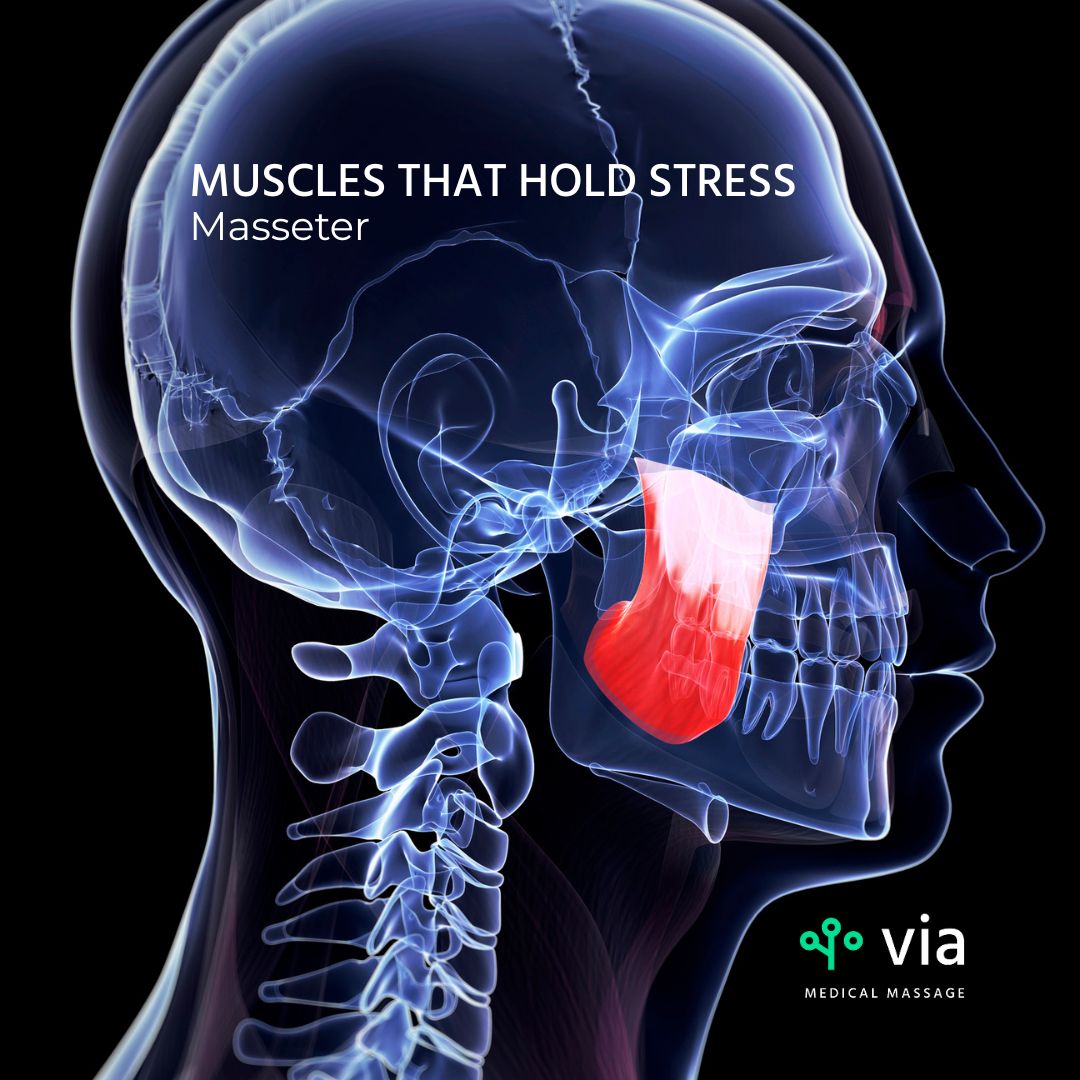
Masseter (jaw)
Clenching your jaw is one of the most common stress responses, especially if you don’t realize you’re doing it. The masseter stays overworked, leading to tightness, soreness, and even TMJ symptoms. Massage helps release that constant contraction, reduces pressure in the joint, and can ease headaches that start from jaw tension.
Temporalis (side of head)
This muscle fans out across your temples and tightens with stress, eye strain, and jaw clenching. It’s a big contributor to tension headaches. Massage here improves circulation and reduces that dull, lingering pressure you feel on the sides of your head.
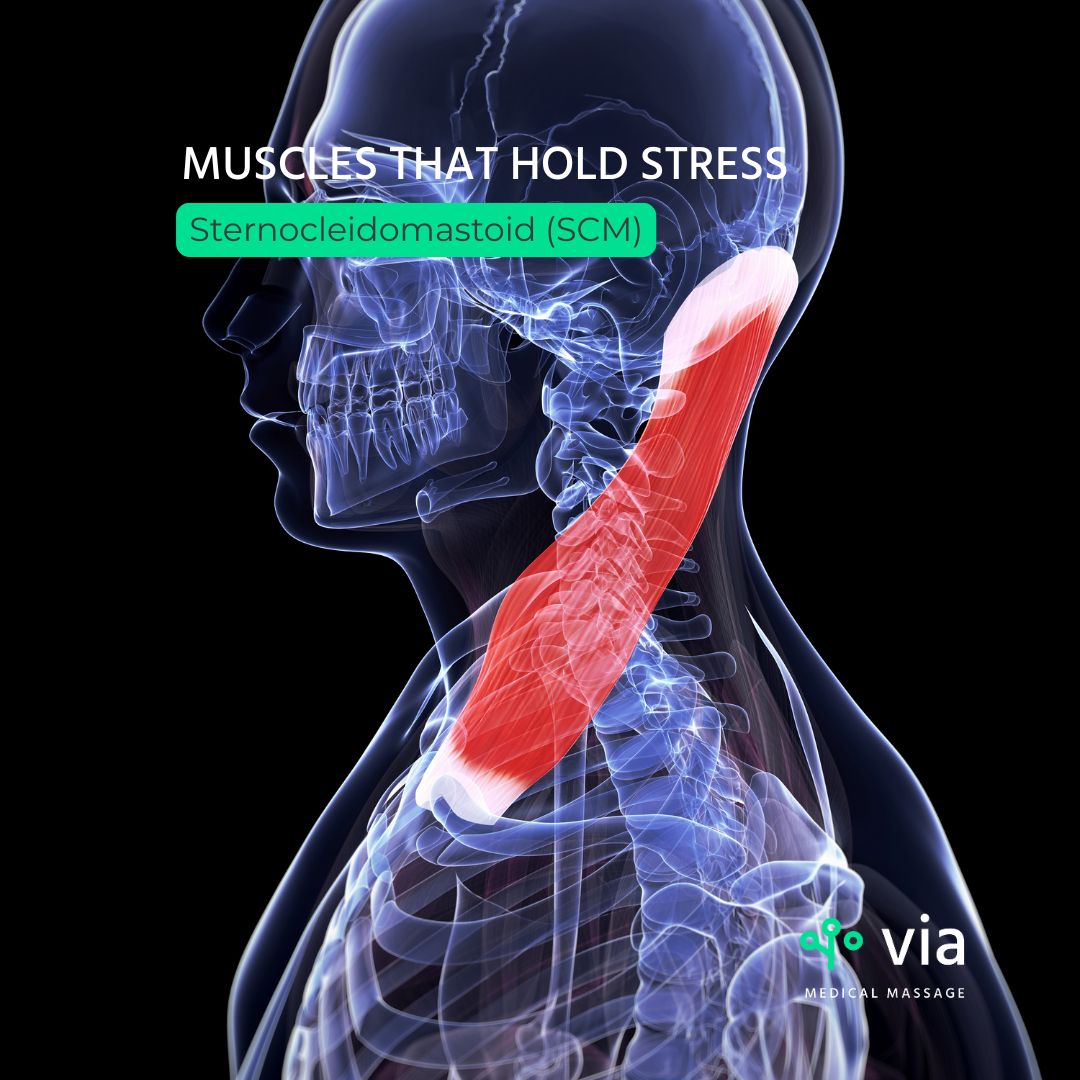
Sternocleidomastoid (SCM) (front/side of neck)
The SCM works overtime with poor posture and stress. It can refer pain into the head, face, and even behind the eyes. When it tightens, it often contributes to headaches and neck stiffness. Massage helps lengthen the muscle and reduces those surprising, referred pain patterns.
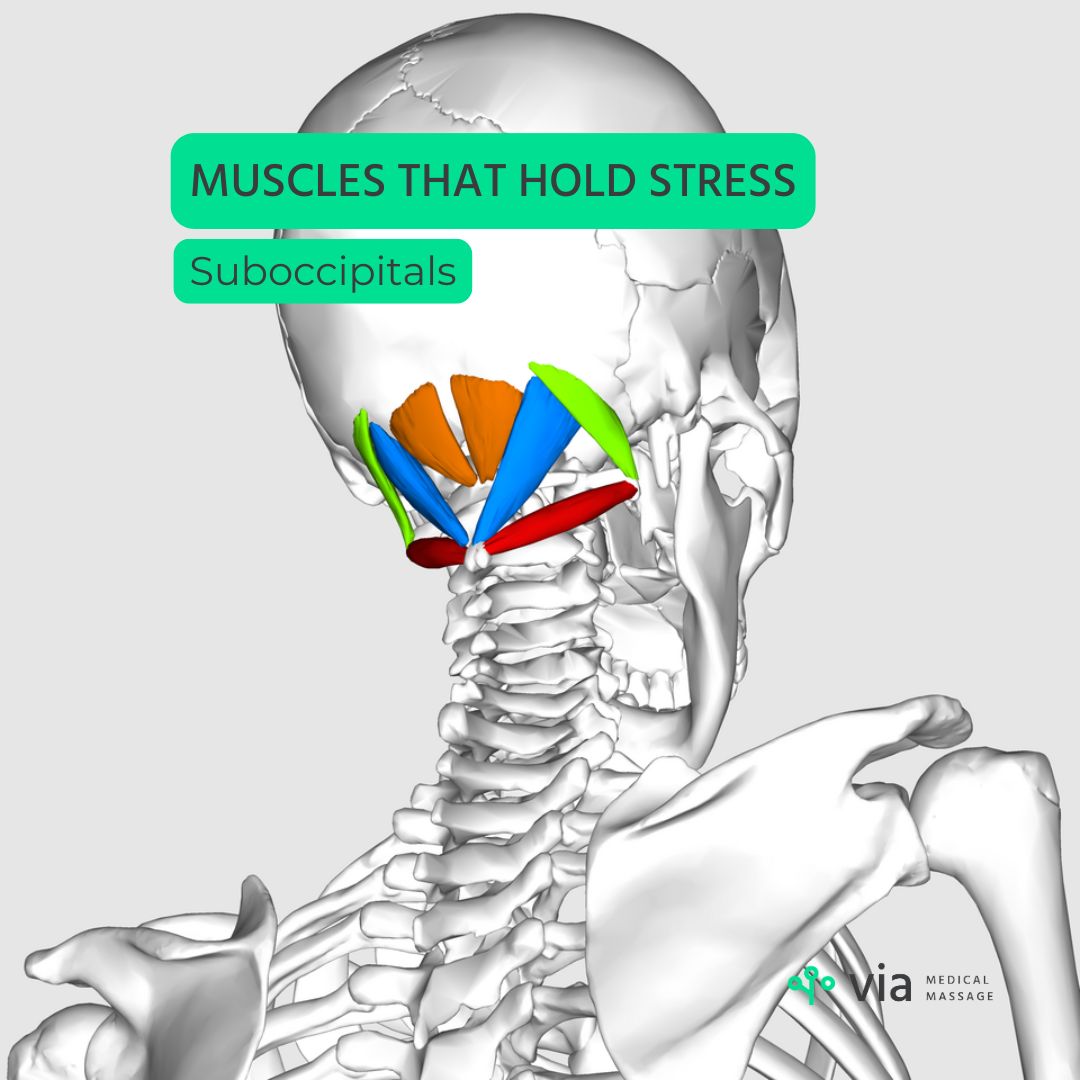
Suboccipitals (base of skull)
These tiny muscles do a lot, especially when your head is forward all day. Stress and screen time keep them tight, often triggering headaches that wrap around the head. Targeted massage releases that deep tension and can quickly reduce headache intensity.

All the Place Your Neck Holds Stress
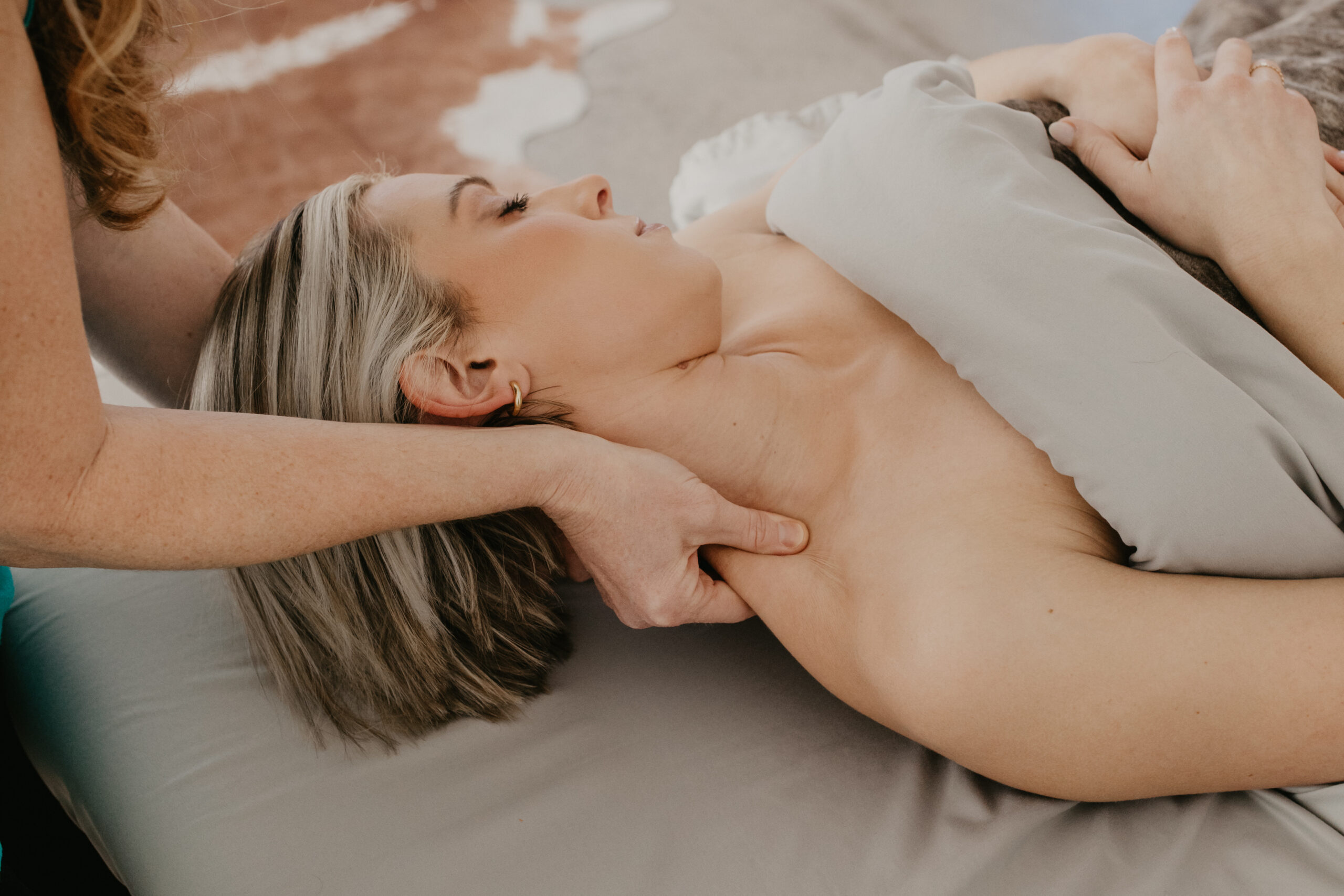
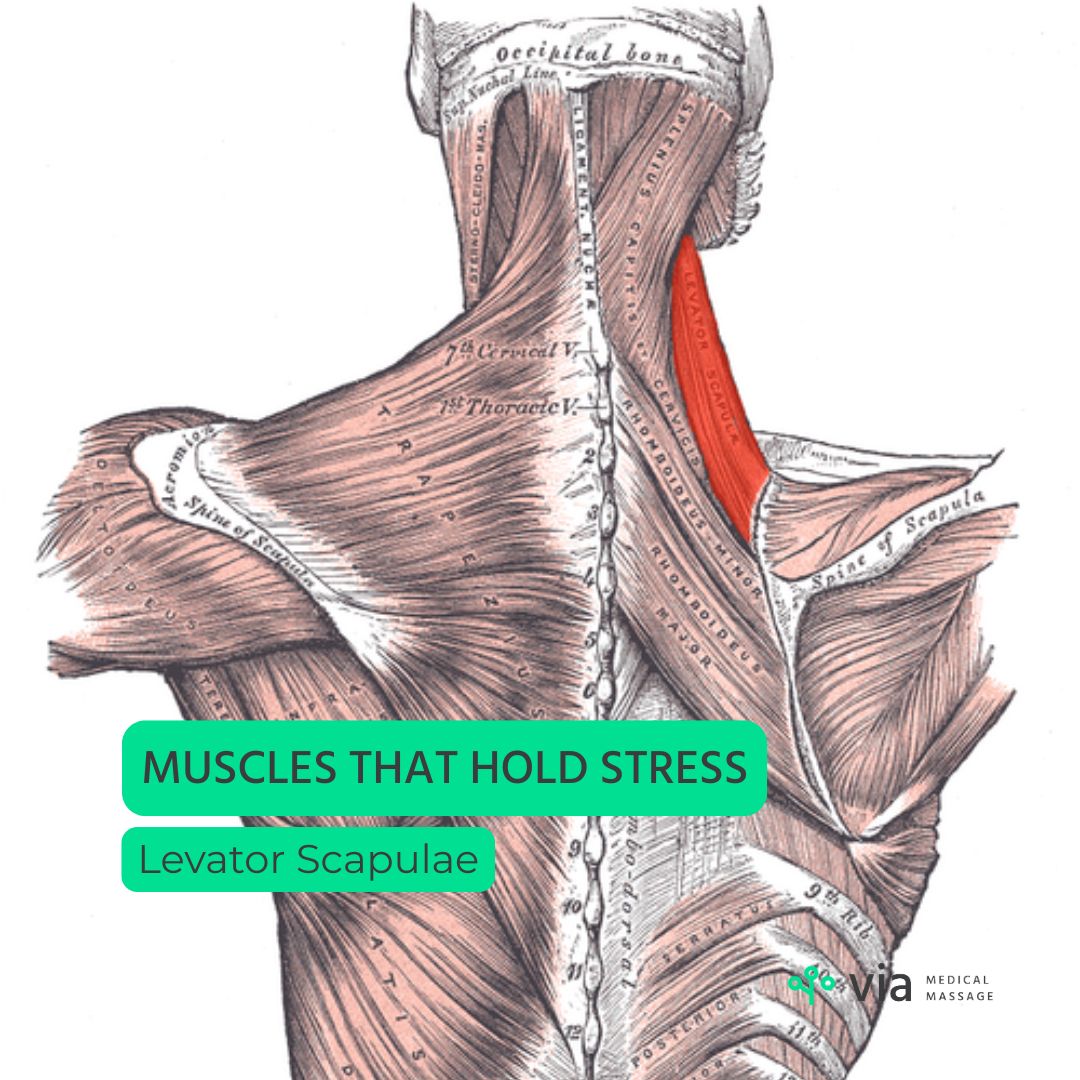
Levator Scapulae (neck to shoulder blade)
If you’ve ever woken up unable to turn your head, this muscle is usually involved. It tightens with stress, poor sleep position, and desk posture. Massage helps break up that stubborn knot and restores normal movement.
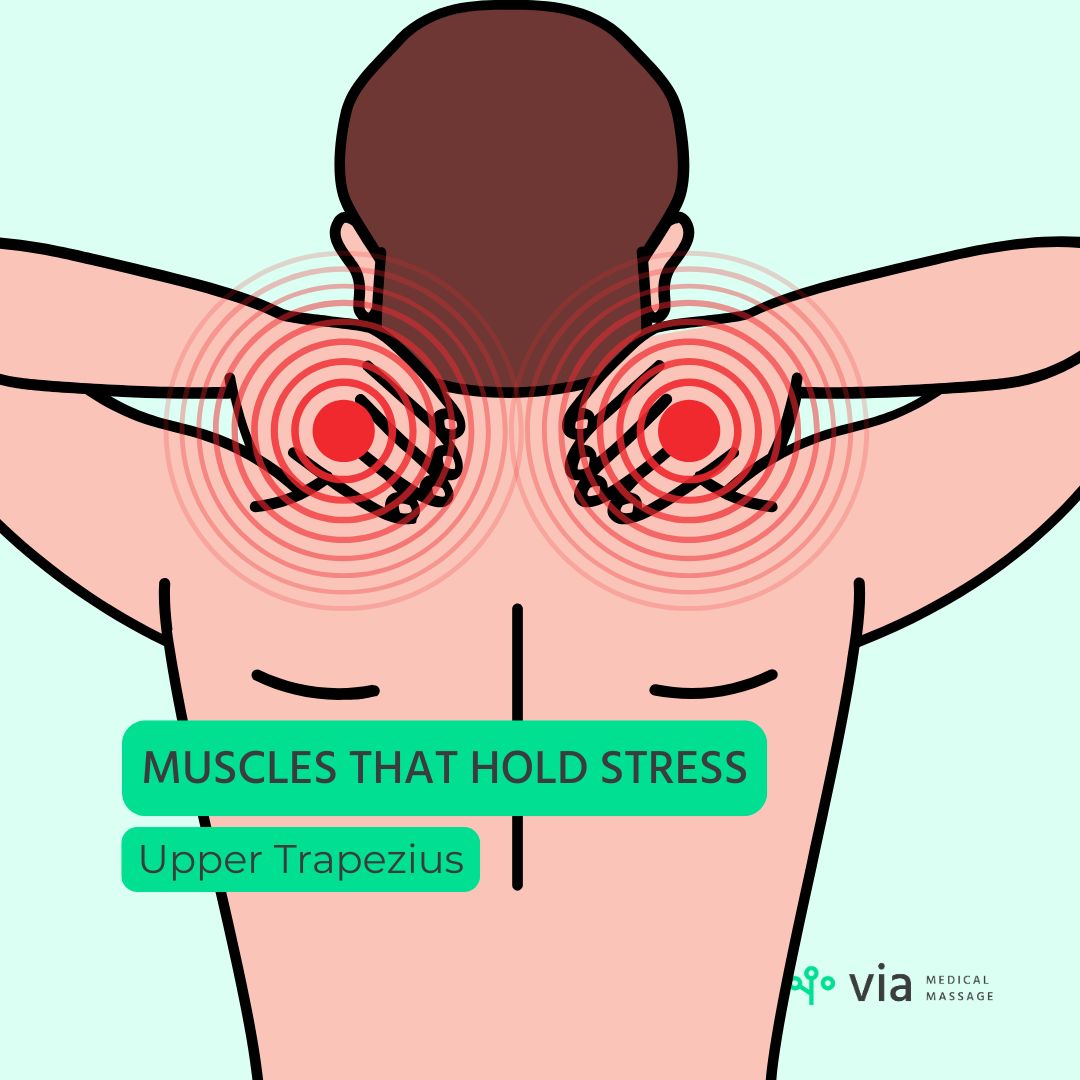
Upper Trapezius (top of shoulders)
This is where stress visibly shows up. Shoulders rise when you’re overwhelmed and often stay there. The upper traps become tight, tender, and fatigued. Massage helps bring the shoulders back down, reduces tension, and gives your body a reset. This muscle can radiate to feel like neck or back pain.
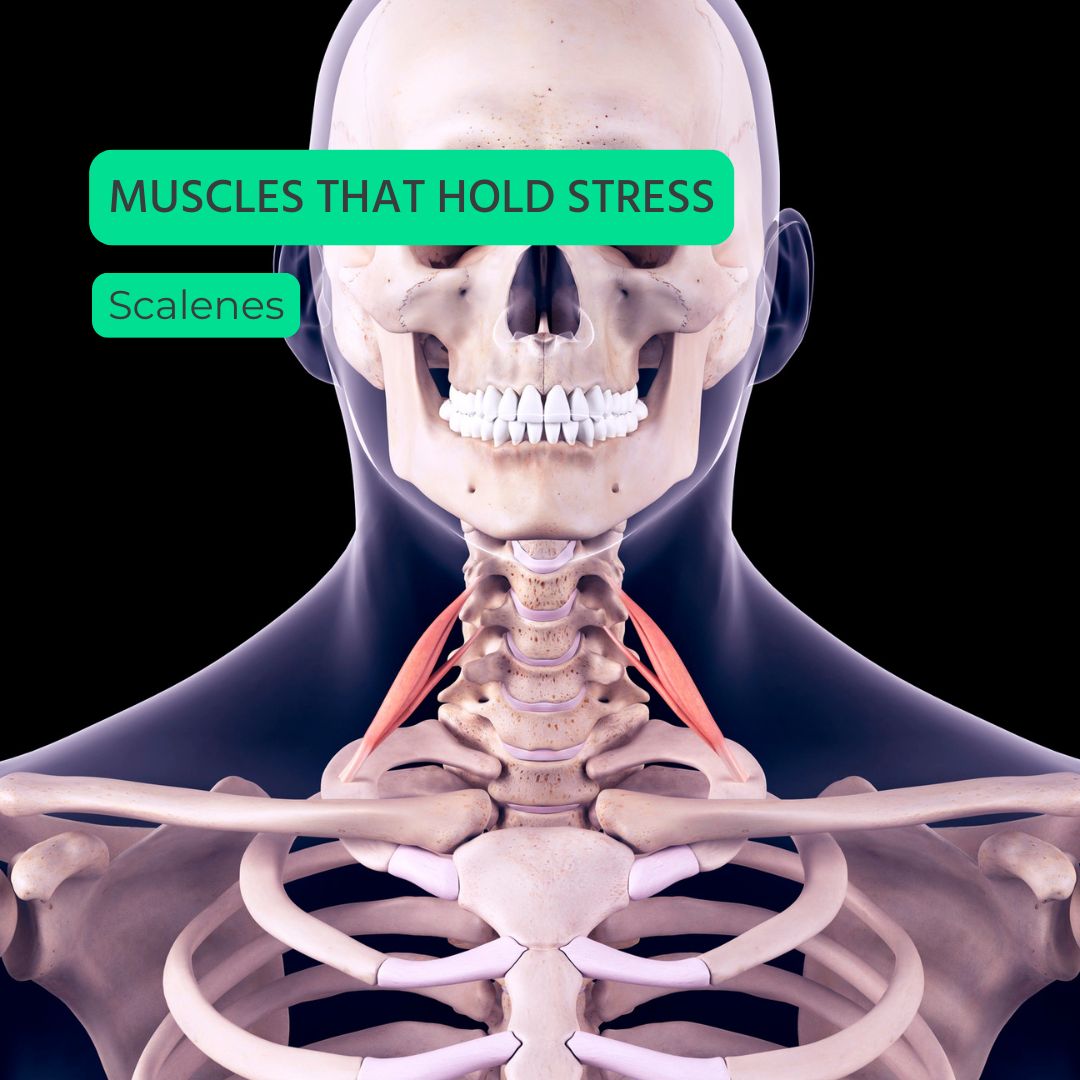
Scalenes (front/side of neck)
These smaller muscles assist with breathing and posture, which makes them sensitive to stress. Shallow breathing and forward head posture keep them tight. Massage can help open this area, improve breathing patterns, and reduce neck tension.
Shoulders Hold a Lot of Body Stress
Trapezius (top of shoulders)
This muscle bridges the neck and shoulders, making it a major stress collector. It stays activated when you’re tense or bracing. Massage helps reduce that constant contraction and relieves the heavy, tight feeling across the shoulders.
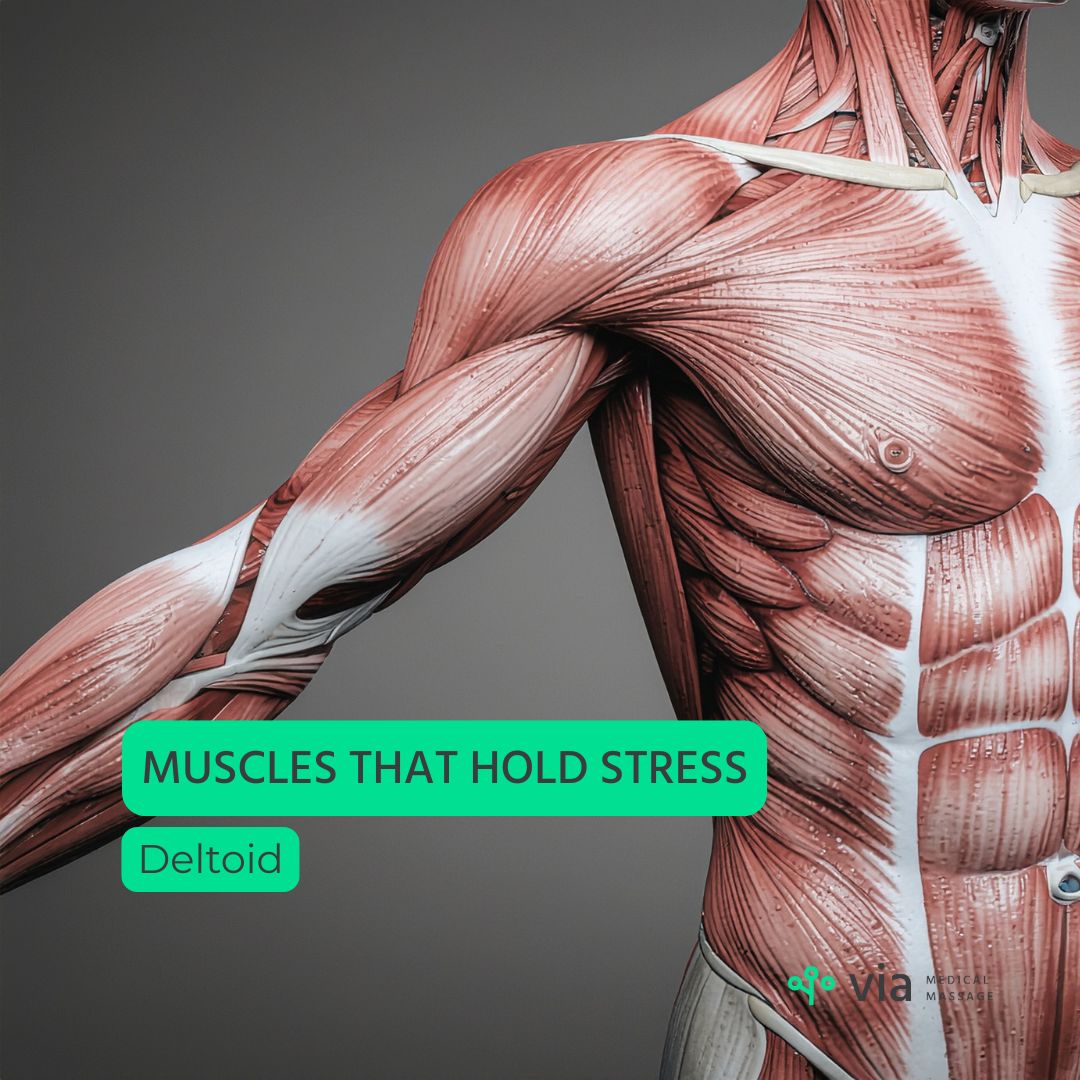
Deltoid (outer shoulder)
The deltoid handles a lot of movement and can become tight when other muscles are overcompensating. Stress doesn’t hit it directly, but it holds secondary tension from posture and overuse. Massage helps restore balance and reduce shoulder fatigue.
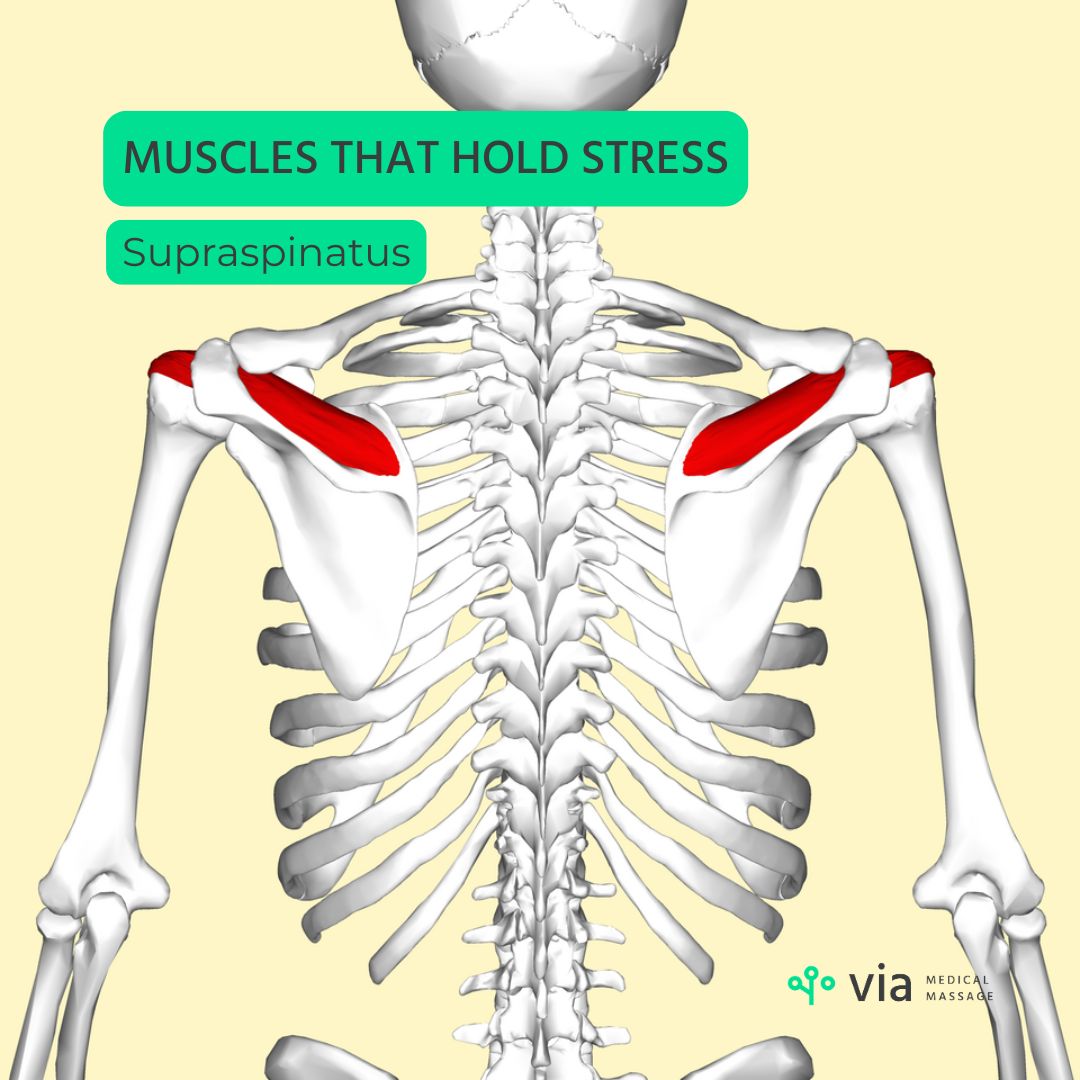
Supraspinatus (top of shoulder blade)
This small but important muscle helps lift the arm and stabilizes the shoulder. It gets irritated with repetitive movement and tension in surrounding muscles. Massage helps reduce irritation and improves shoulder function.
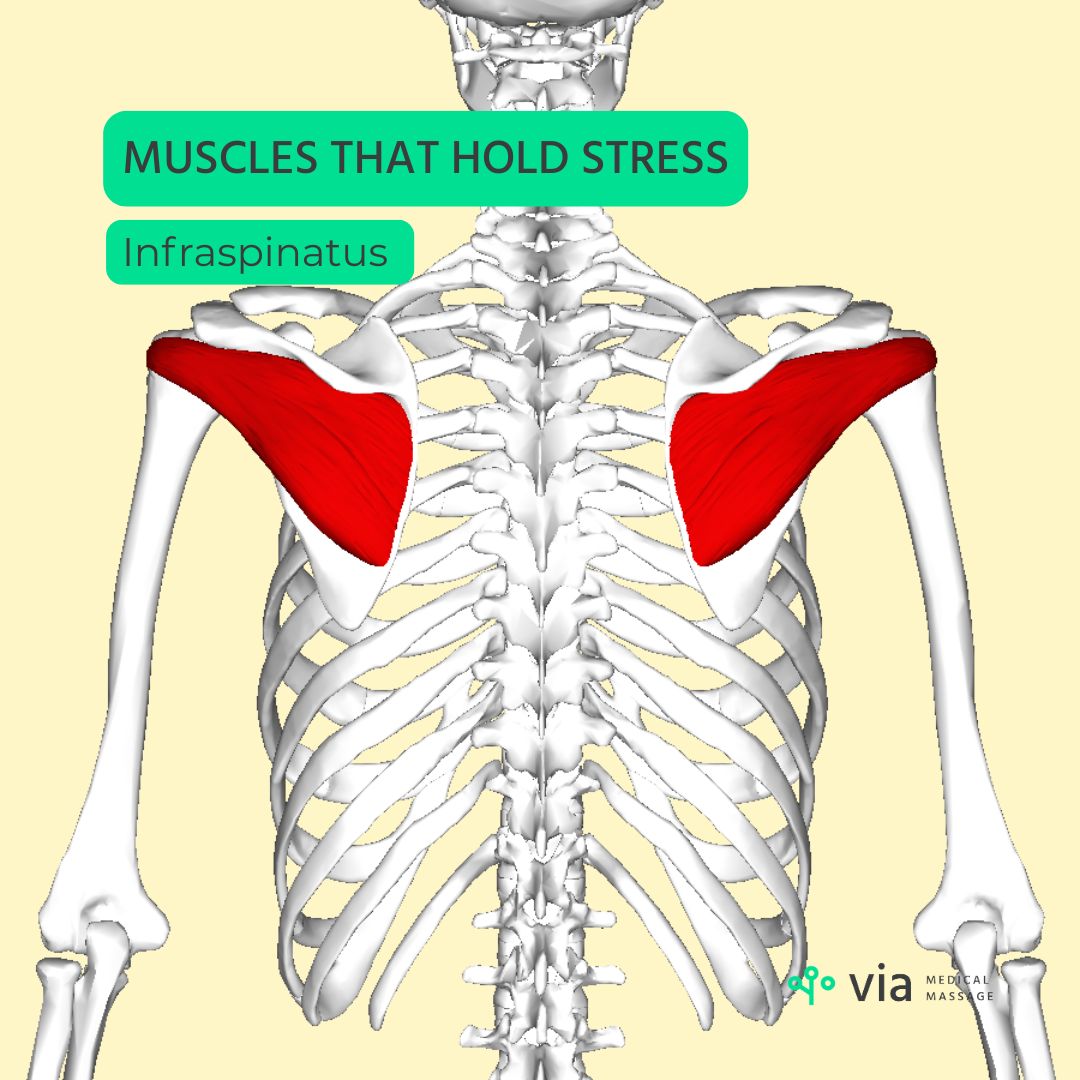
Infraspinatus (back of shoulder blade)
This muscle often holds deep, overlooked tension. It can refer pain to the front of the shoulder and upper arm. Stress and posture contribute to tightness here. Massage helps release that deeper layer and improves shoulder mobility.
Mid & Lower Back
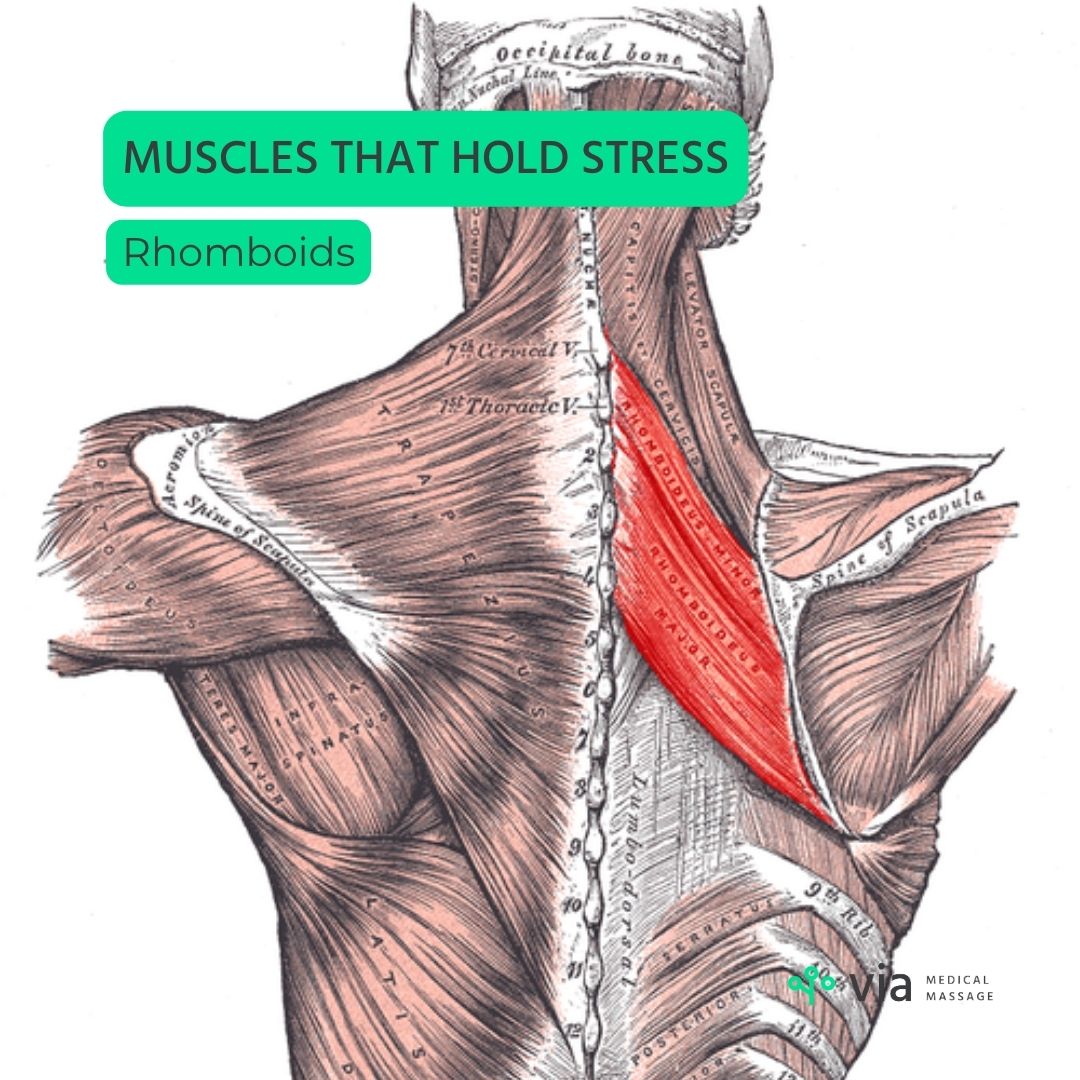
Rhomboids (between shoulder blades)
These muscles fight against rounded posture all day. When you’re sitting or mentally overloaded, they become tight and achy. Massage helps relieve that deep tension and supports better posture.
Middle Trapezius (mid-back)
This area works to stabilize your shoulder blades. When it’s overworked, it creates that “someone needs to dig into this spot” feeling. Massage helps reduce muscle fatigue and restores balance across the upper back.
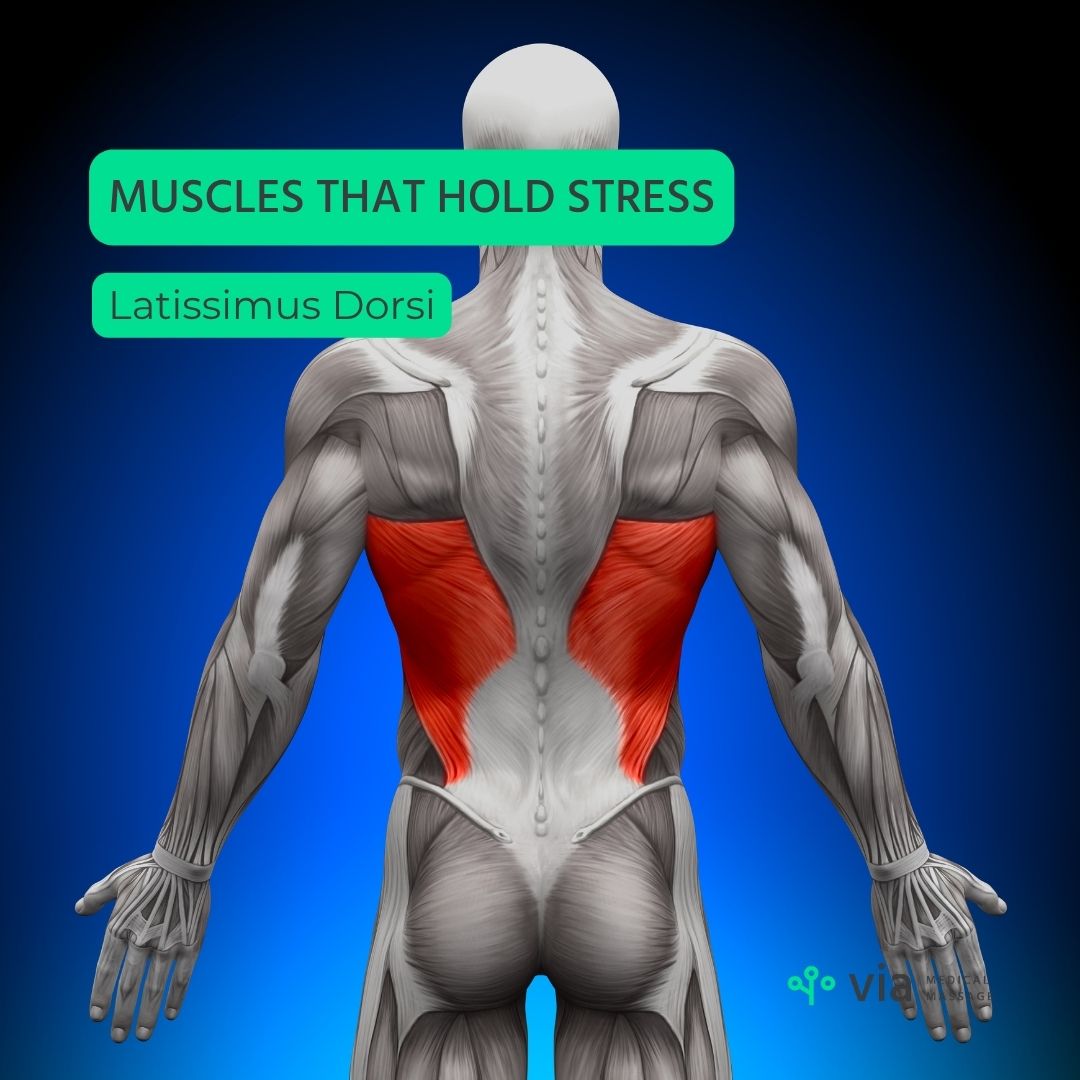
Latissimus Dorsi (sides of mid-back)
The lats are large and powerful, but they tighten when your body stays in a guarded state. Stress and poor movement patterns keep them engaged. Massage helps release that tension and improves overall mobility.
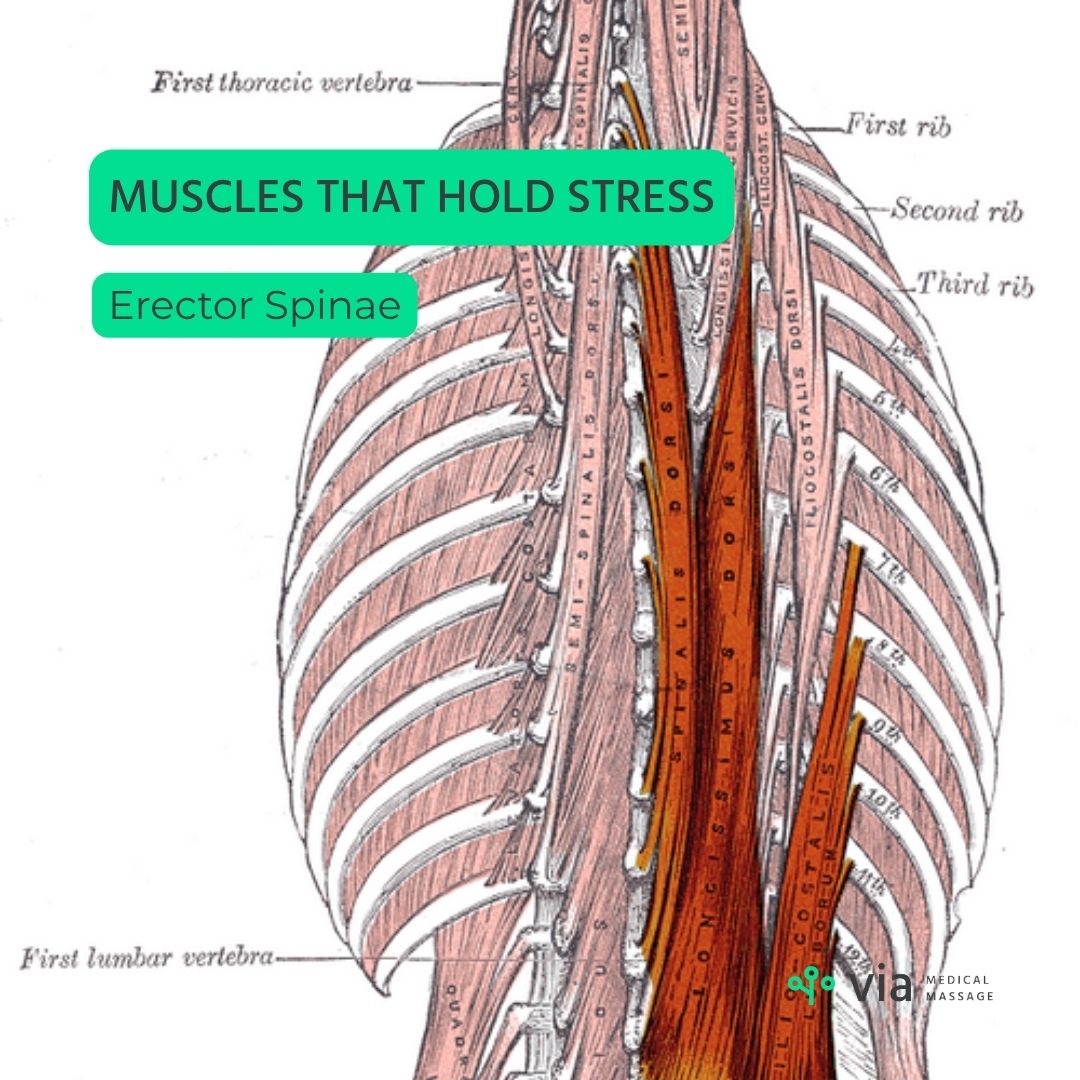
Erector Spinae (along the spine)
These muscles keep you upright all day. Stress keeps them active longer than they should be, leading to fatigue and soreness. Massage helps them relax, improves circulation, and reduces that constant tightness.
Quadratus Lumborum (low back)
This deep muscle stabilizes your spine and pelvis. It often tightens on one side, creating that “locked up” feeling. Stress, sitting, and imbalance all contribute. Massage helps release that deep tension and improves movement.

Hips Don’t Lie (& Hold a LOT of Stress)
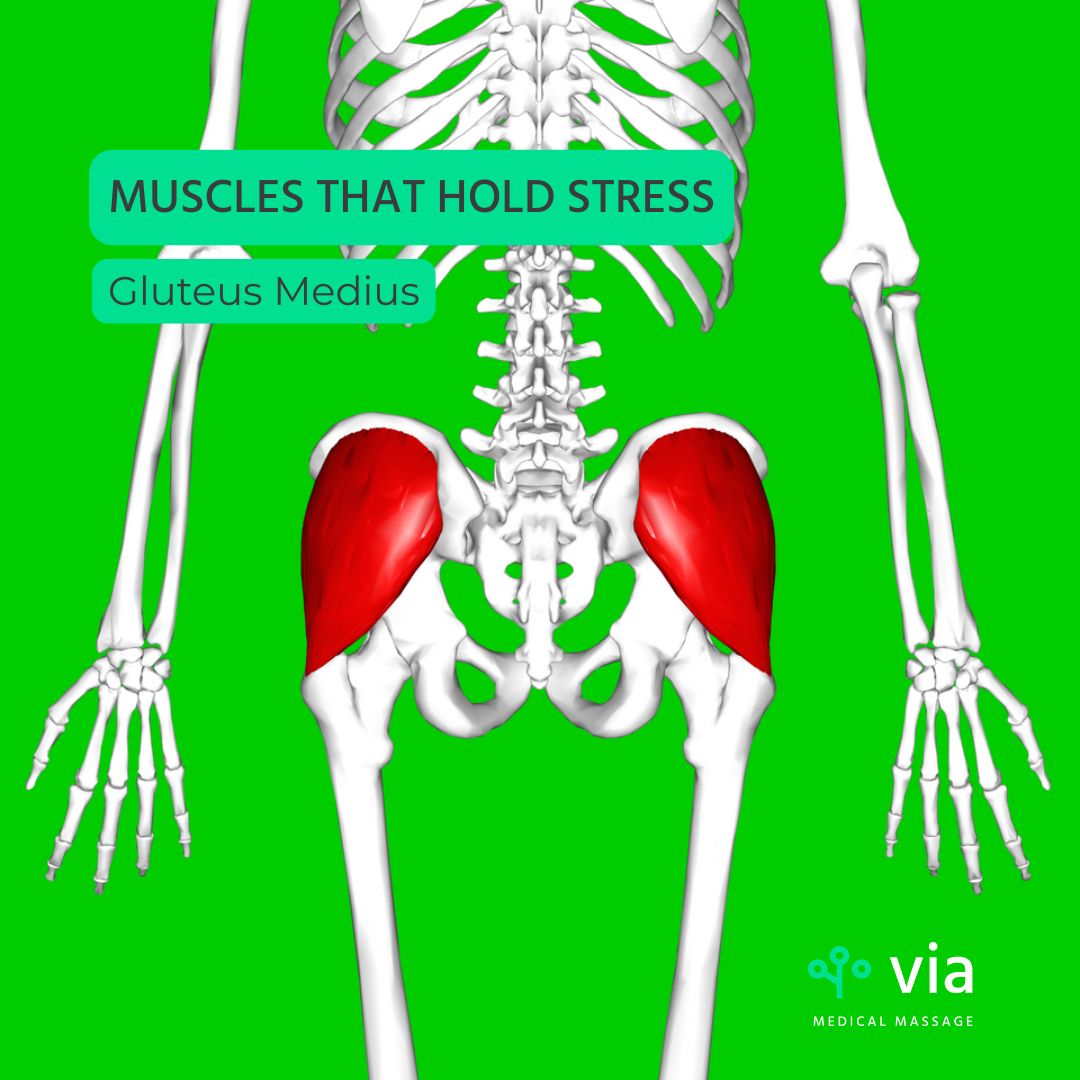
Glute Medius (outer hip)
This muscle stabilizes your pelvis when you walk or stand. When it’s weak or overworked, it tightens and contributes to hip and low back pain. Massage helps reduce tension and improves stability.
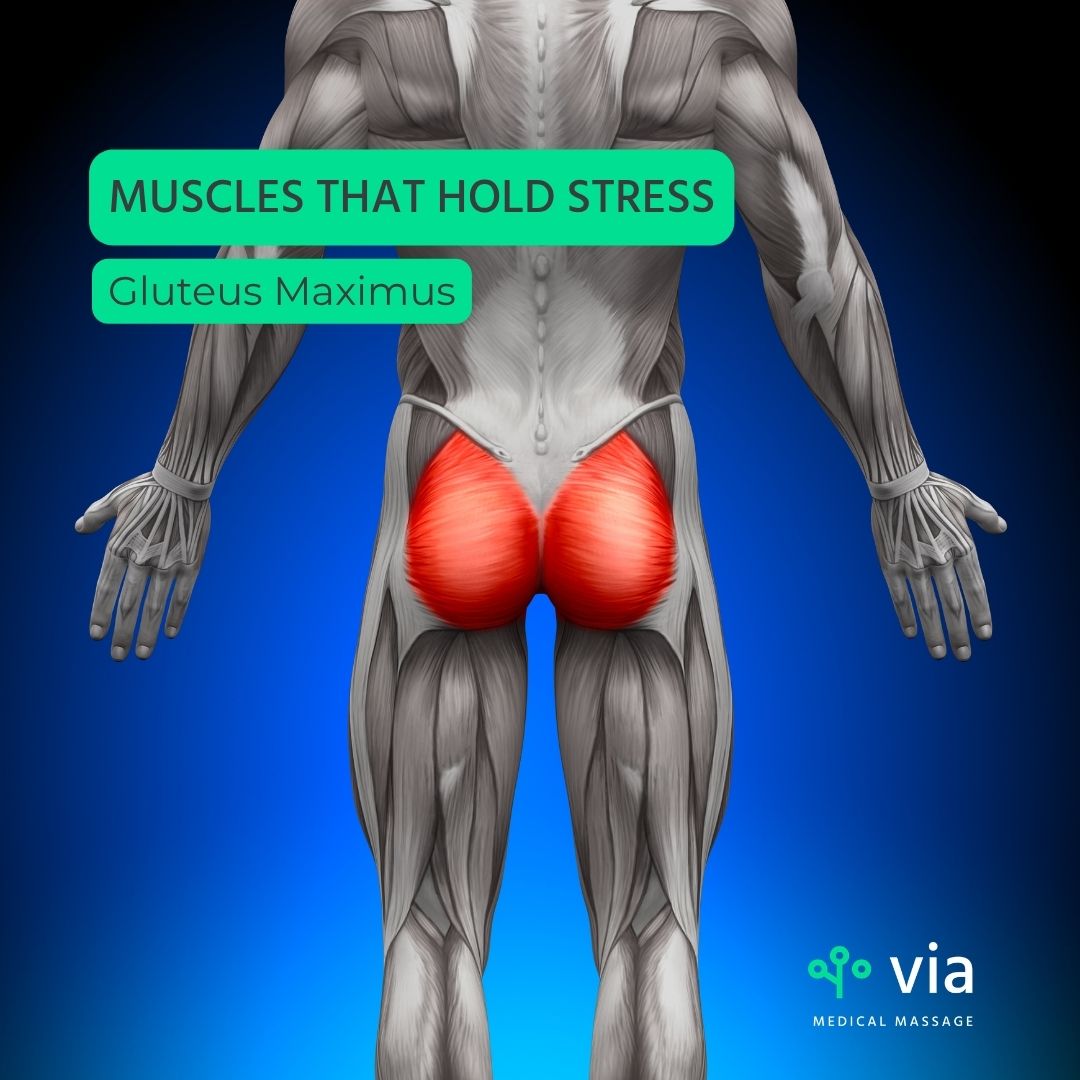
Glute Maximus (main glute)
Long periods of sitting keep this muscle inactive, which leads to tightness and compensation patterns. Stress adds to that tension. Massage helps reactivate and relax the muscle for better movement.
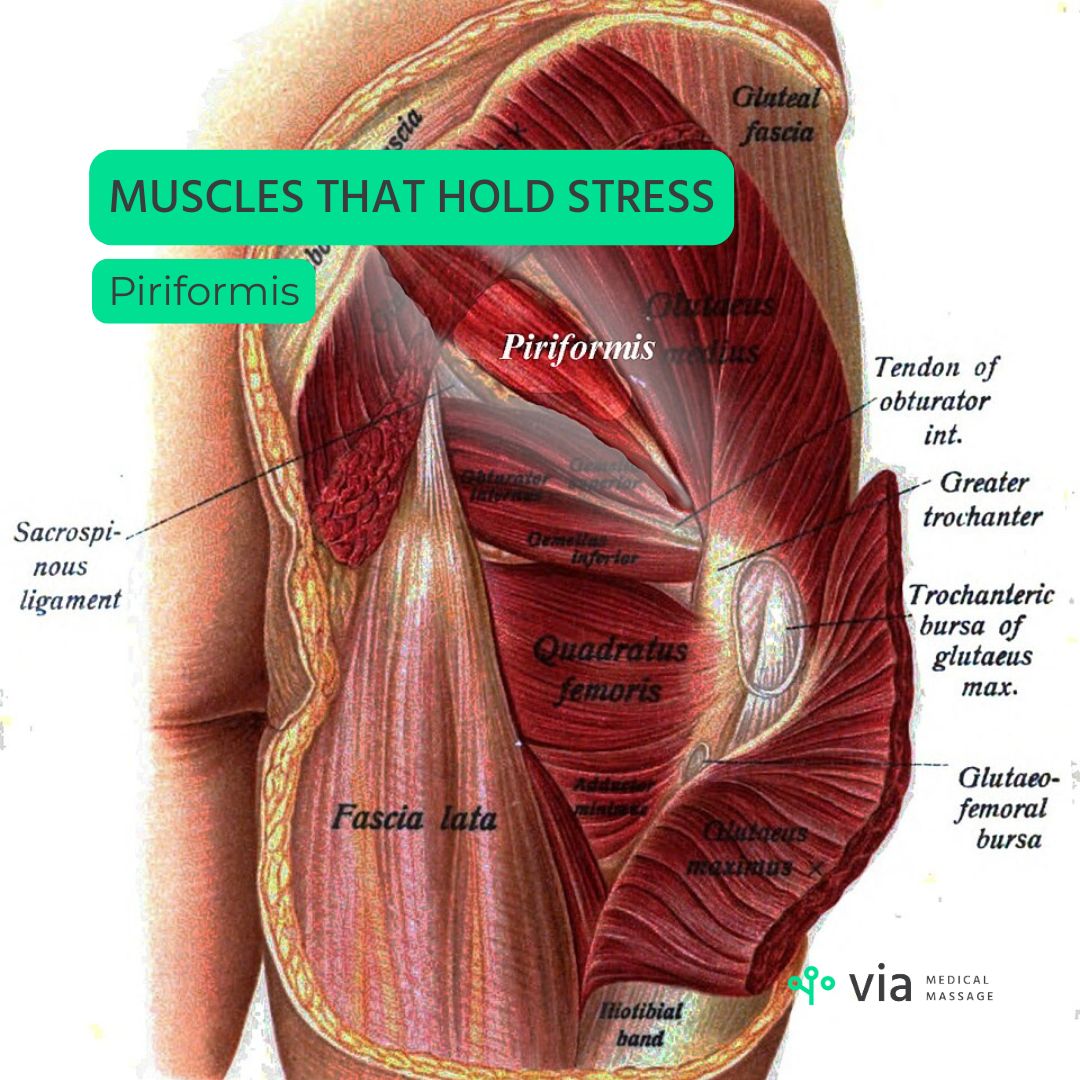
Piriformis (deep glute)
This small muscle can create big problems when tight, including pain that travels down the leg. Stress and prolonged sitting often aggravate it. Massage helps release pressure and reduce nerve irritation.
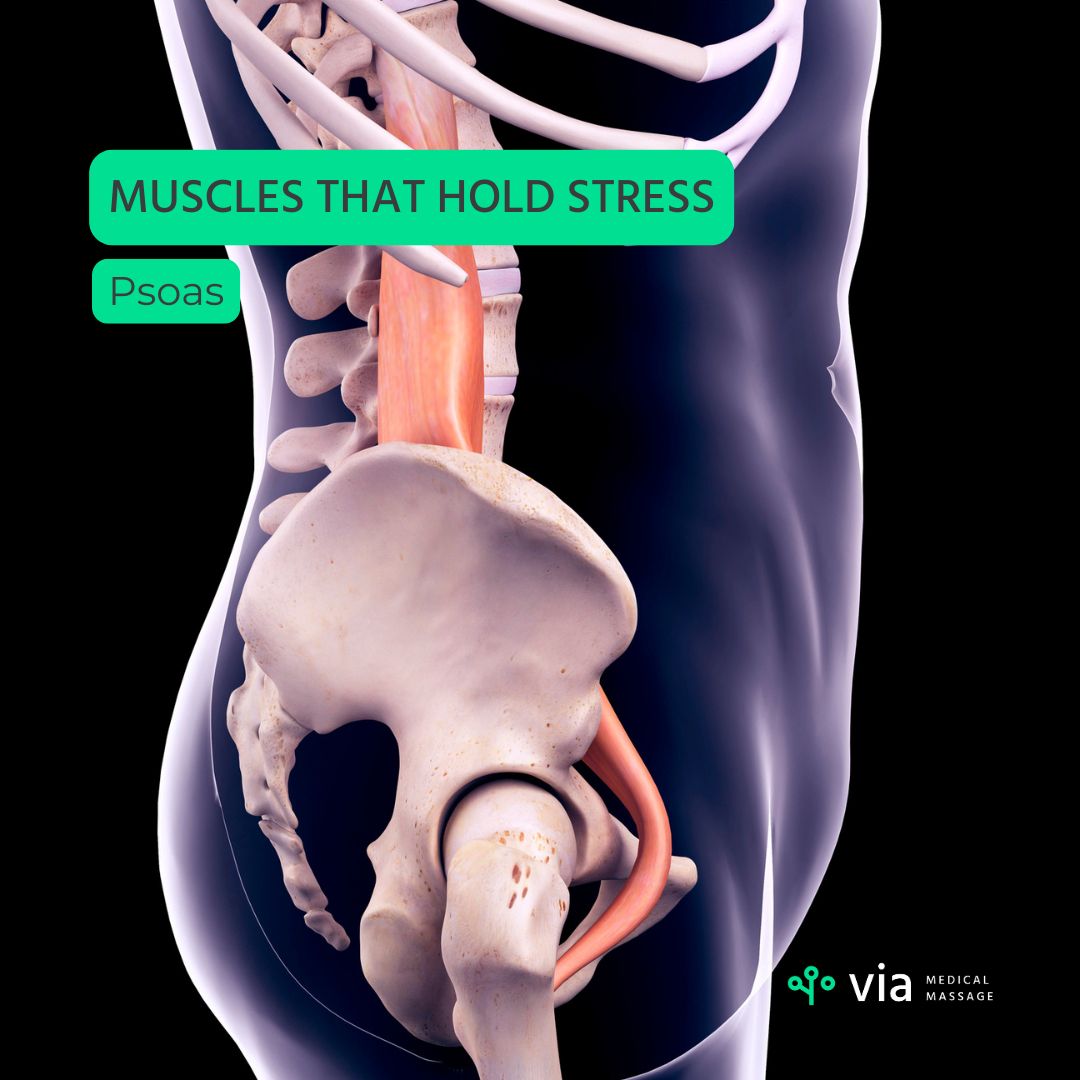
Iliopsoas (hip flexors)
This deep muscle group tightens with sitting and stress. It’s closely tied to your nervous system and can stay contracted in high-stress states. Massage helps release that deep tension and improves posture.
Let’s Talk Legs Holding Stress
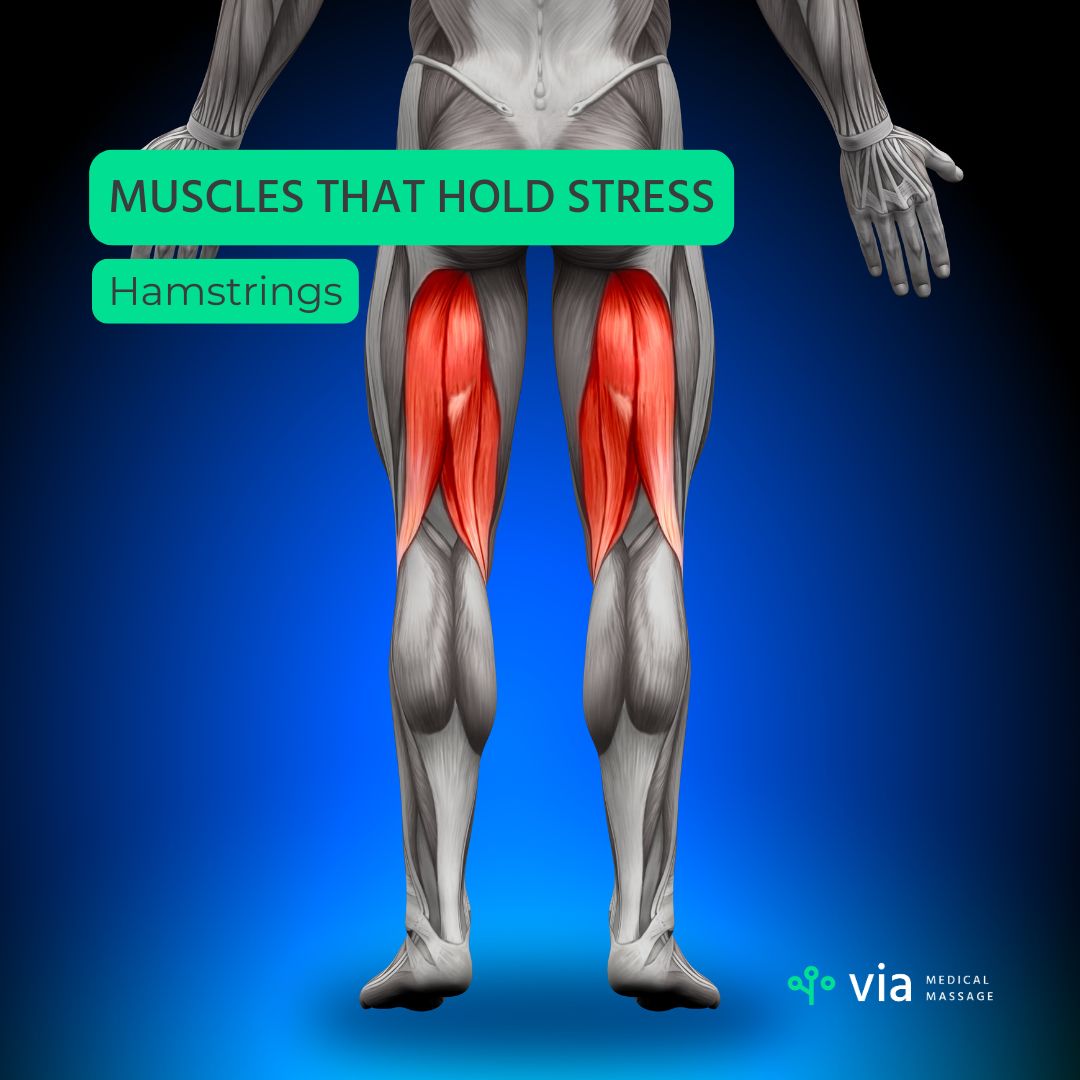
Hamstrings (back of thighs)
These muscles tighten with both inactivity and overuse. Stress contributes by limiting recovery and increasing overall tension. Massage helps improve flexibility and reduce strain.
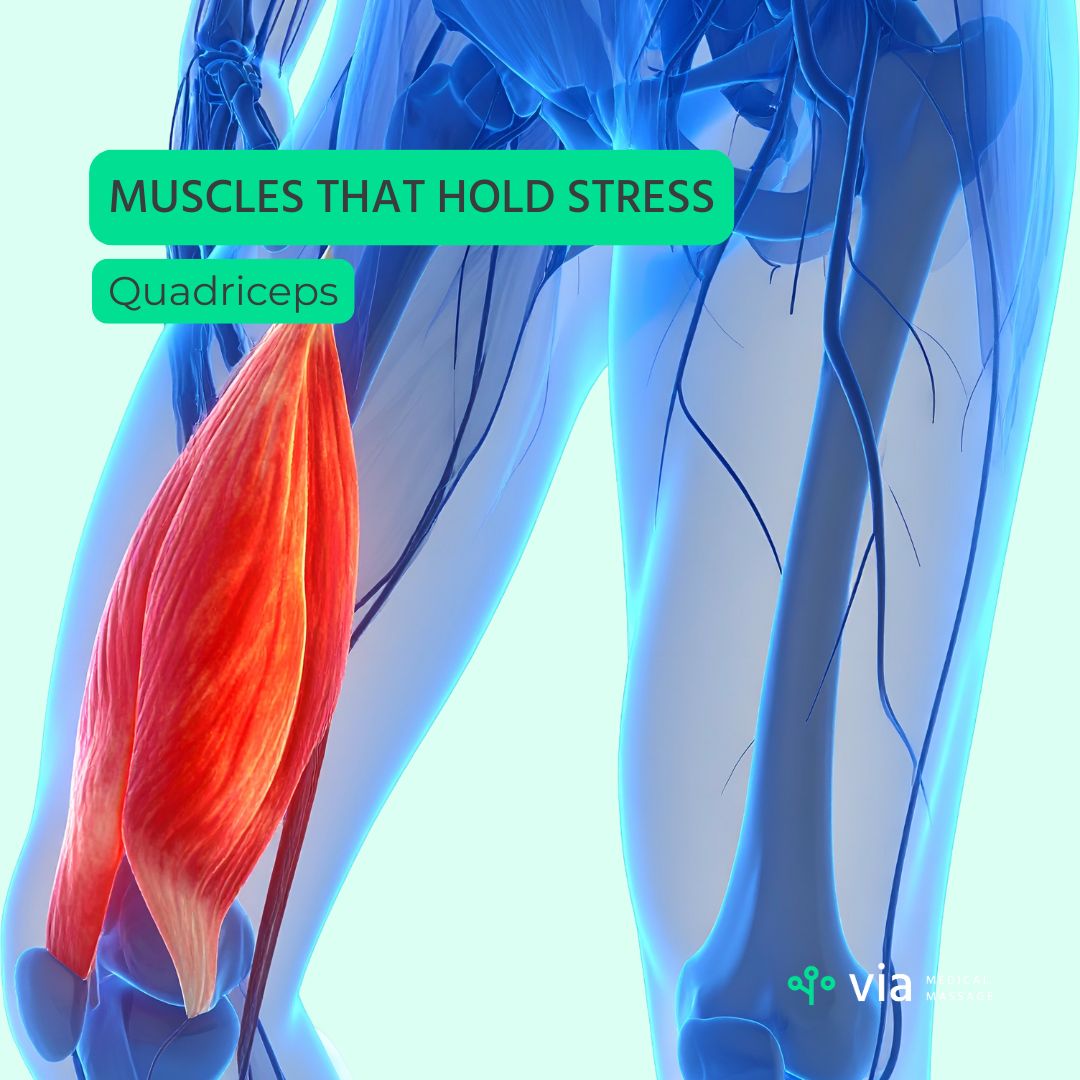
Quadriceps (front of thighs)
The quads take on extra load when posture and movement are off. Stress can keep them tight and fatigued. Massage helps reduce tension and supports better alignment.
Adductors (inner thighs)
These muscles stabilize your legs and pelvis. They often hold tension from compensation and stress. Massage helps release tightness and improves mobility.
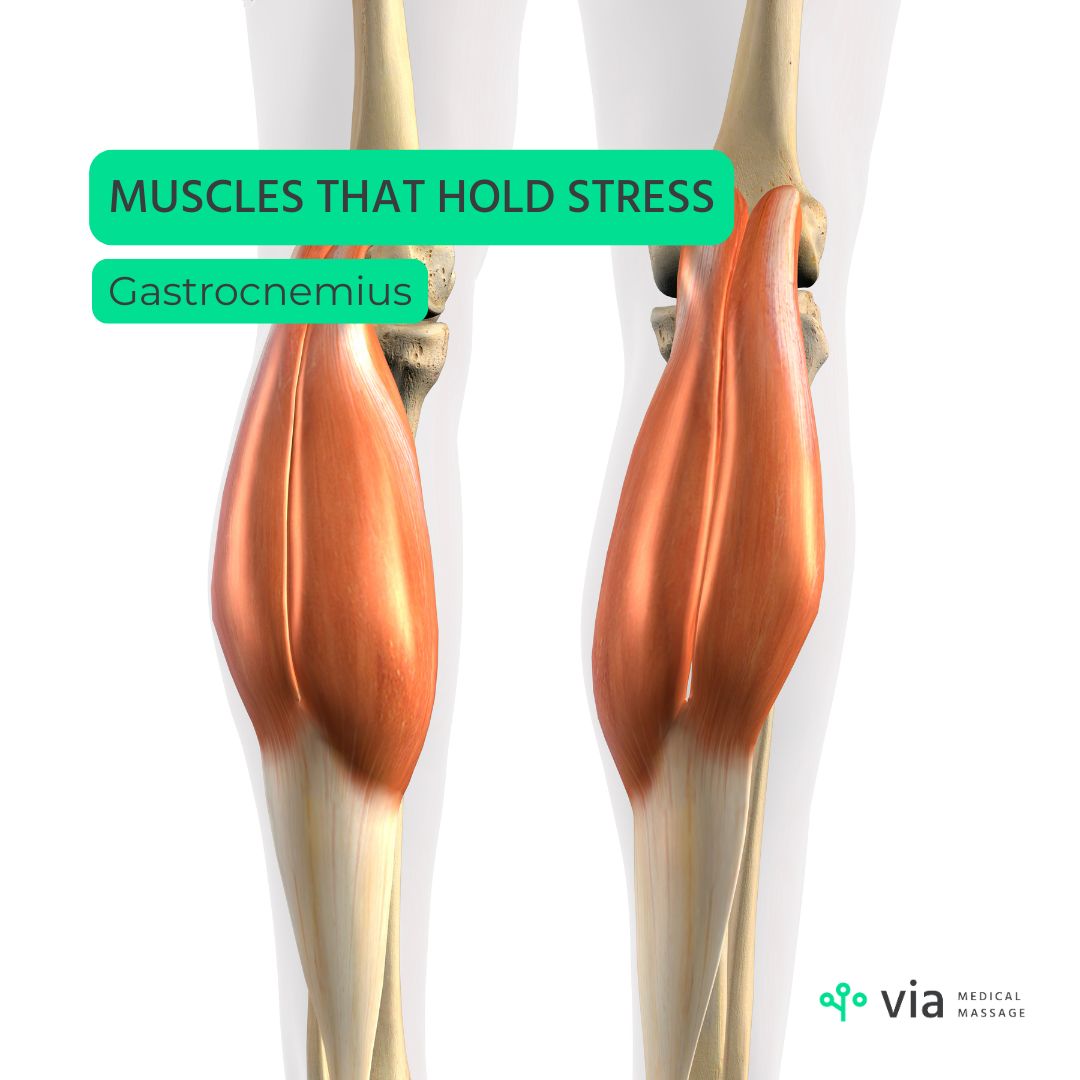
Gastrocnemius (calf)
This larger calf muscle works constantly when you’re standing or moving. Stress can increase tightness and fatigue. Massage helps improve circulation and reduce soreness.
Soleus (deep calf)
The soleus works behind the scenes to keep you upright. It often becomes tight without obvious symptoms until it’s severe. Massage helps release deep tension and supports overall leg function.
How Feet Can Kick Stress Levels Up
Plantar Fascia (bottom of foot)
This thick band supports your arch and absorbs impact all day. Stress and poor mechanics can make it tight and painful. Massage helps reduce tension and improve foot function.
Flexor Digitorum Brevis (arch of foot)
This intrinsic muscle supports your toes and arch. It tightens with overuse and lack of support. Massage helps relieve foot fatigue and improves stability.
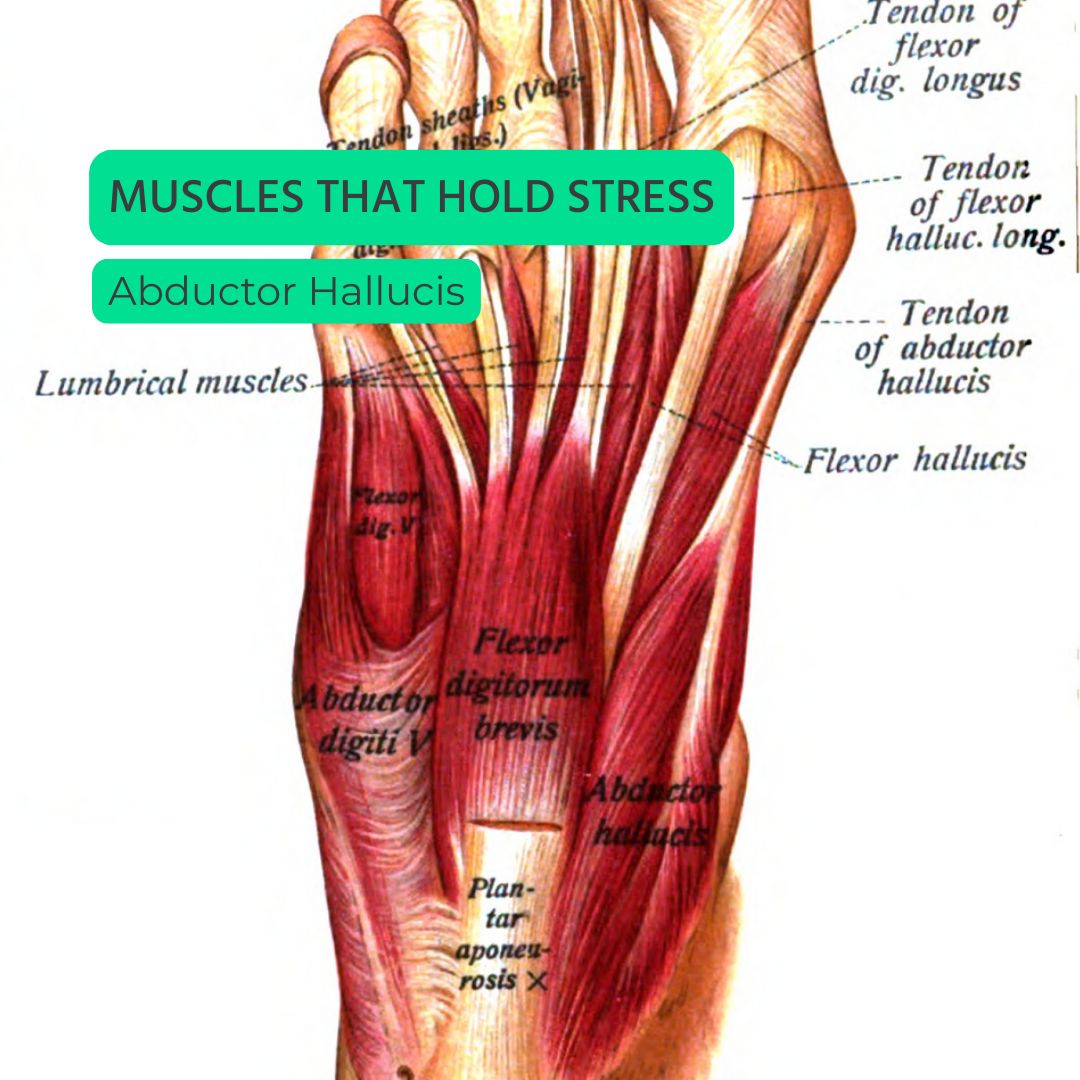
Abductor Hallucis (inside of foot)
This muscle supports the big toe and arch. It can become strained with poor alignment and stress. Massage helps restore balance and reduce discomfort.

How Medical Massage Helps Break the Cycle
Massage doesn’t just feel good. It targets the muscles holding tension, improves circulation, and helps your nervous system calm down. That combination is what actually creates relief.
If you recognized a few of these areas, your body’s already telling you what it needs. You just have to listen. Book a medical massage session to address your stress-holding areas today. Via Medical Massage has locations in Omaha and Lincoln. You can book online anytime.