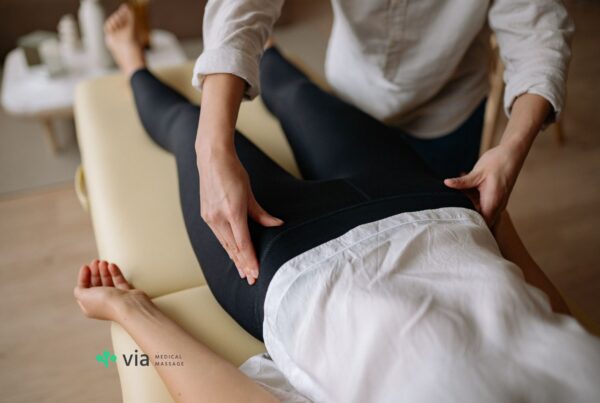

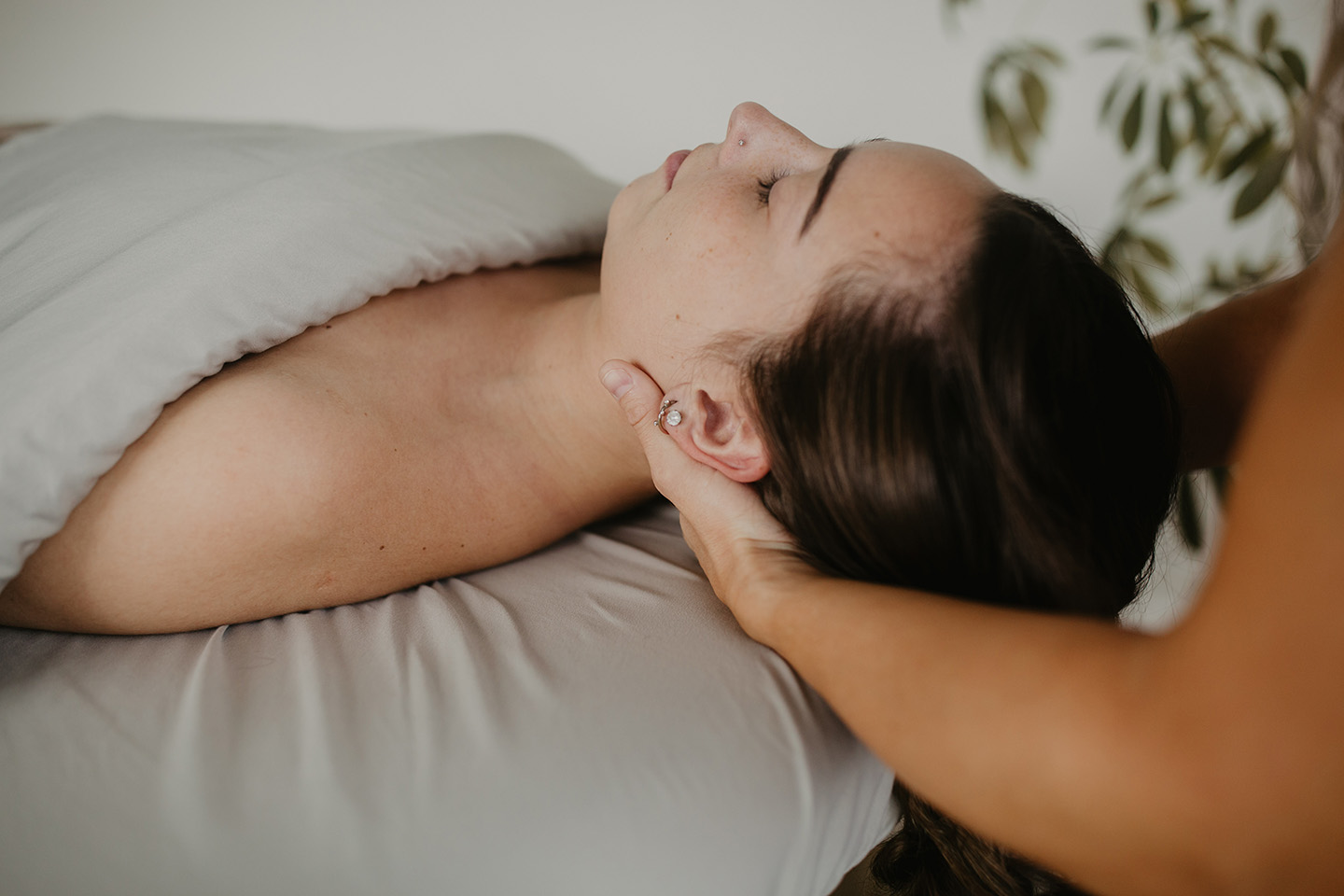
Whether your headaches range from disturbing to debilitating, there’s a headache massage therapy that can help. At Via Medical Massage, we offer headache massage therapy customized to your needs, types of headaches, and tension points.
It helps to understand what’s causing the headache and what steps we can take to fix it. That goes as much for one-time headaches or chronic conditions, the latter of which impacts more than half of the population.
How Massage Helps Muscle-Related Headaches
Let’s start with the basics. When muscles tighten up—especially in the neck, shoulders, or jaw—they restrict blood flow and irritate surrounding nerves. That combination often sparks or worsens headaches.
Massage therapy works to relieve that muscle tension, increase circulation, and activate your parasympathetic nervous system (aka the “rest and digest” mode). This not only eases current headache symptoms but also improves long-term patterns that may be contributing to chronic pain.
For example, a massage therapist might identify trigger points in the suboccipital muscles at the base of your skull. When these are tight, they can mimic the sensation of tension headaches or migraines. A targeted massage can release those points, ease nerve compression, and help your nervous system chill out.
Research backs this up: people who receive regular massage therapy often report fewer and less intense headaches, especially those with tension-type headaches. Migraines may not vanish entirely, but their frequency and duration can decrease with consistent care.
What Type of Headache Massage Therapy Is Right for You?
Not all massages are created equal, and not every headache responds the same way. These are the most common techniques therapists use to reduce headache symptoms:
Deep Tissue Massage
If your go-to move is rubbing your shoulders and muttering about your traps, deep tissue might be the right call. Here’s the twist: the pain isn’t always coming from where you think. Muscles like the levator scapulae (runs from your neck down to your shoulder blade) often masquerade as trap pain, especially if you’ve been hunched over a laptop or craning your neck to scroll your phone.
Deep tissue massage goes beyond the surface to target those deeper, tighter layers where chronic tension hides out. It’s ideal if your headaches feel like they’re building up from your upper back or neck and getting worse over time.
This is a smart choice for people who want a bit more pressure and don’t mind working through some of that deep-seated tension to feel better. Deep tissue doesn’t have to mean “no pain, no gain.” A good therapist will check in, and you control the pressure. This work should feel productive, not punishing.
Trigger Point Therapy
If your headache seems to start in your neck or shoulders and then creeps up to your head, trigger point therapy might be your best bet. This style of massage zeroes in on tight, overworked spots called trigger points. The nasty knots don’t just hurt where they are, but send pain somewhere else (aka referred pain).
Think of them as muscle landmines. For example, press into the top of your shoulder (your upper trapezius), and you might feel a zing up the side of your head or into your temple. That’s referred pain, and it’s exactly what trigger point work is designed to treat.
If your headaches show up after stress, bad posture, or jaw clenching, a therapist trained in trigger point therapy can track down and release those hidden pain sources. It’s a good fit if you want targeted relief from a medical massage, not just general relaxation of a therapeutic massage.
Craniosacral therapy
A gentle, hands-on method that may benefit those with tension and migraine headaches by reducing nervous system stress; effects for cluster headaches are limited and largely supportive rather than primary.
If your headaches feel tied to stress, sleep issues, or nervous system overload, craniosacral therapy could be a good option. This gentle technique is part of headache massage therapy that focuses on the subtle movement of the bones in your skull and the flow of cerebrospinal fluid. The pressure used is very light.
Many people say it helps reduce headache frequency and promote deep relaxation. Studies show that migraine pain can go from a “6” to a “2” on the rating scale when craniosacral therapy is used consistently.
If traditional massage feels too intense or hasn’t helped, and you don’t want the pressure of deep tissue or trigger point.
Myofascial Release
If your head pain feels like it’s coming from nowhere or refuses to ease up, myofascial release might help. This isn’t your typical massage. It focuses on fascia, the thin connective tissue that surrounds your muscles. When fascia gets tight or restricted, it can tug on other areas and create pain that feels like it’s coming from somewhere else, such as your head.
Unlike deep tissue or trigger point work, this technique uses slow, steady pressure to gently release those restrictions. It feels more like a stretch or a hold than a massage.
This can be a good option if:
- You have chronic tension or pressure headaches
- Stretching doesn’t help
- Your neck and scalp feel tight even when you’re resting
It’s especially useful if your headaches are linked to posture, old injuries, or jaw tension. Myofascial release helps loosen the pull on the areas feeding that pain, giving your body a chance to reset.
Manual Lymphatic Drainage (MLD) Massage
Facial massage can help drain fluid, reduce swelling, and improve circulation in the areas around your eyes, nose, forehead, and cheeks. That can take pressure off the sinuses and ease that heavy, congested feeling that often turns into a full-blown headache.
Manual Lymphatic Drainage massage of the face is not just about relaxation. Gentle strokes and small circular motions around the sinuses can help move lymphatic fluid and loosen up tight facial muscles. If your jaw is tense, your brow is furrowed, or your cheeks feel puffy, facial massage can help release that tension and open things up.
This type of work is especially helpful during allergy season or when you’re dealing with a lingering cold. It’s also a great add-on if your headaches come with face pain or eye strain. It won’t fix a sinus infection, but it can absolutely help with the pressure.
TMJ Massage
If your jaw clicks, clenches, or feels sore when you chew or yawn, your headaches might be coming from temporomandibular joint (TMJ) tension. The temporomandibular joint connects your jaw to your skull, and when it’s tight or out of alignment, it can cause pain that radiates into your temples, ears, or even neck.
TMJ massage focuses on the muscles around your jaw, face, and sometimes inside the mouth. Yes, intraoral massage is a thing, and no, it’s not as weird as it sounds. By working the masseter and surrounding muscles, a therapist can help release built-up tension and reduce the stress that feeds those clenching habits.
This type of massage is helpful if:
- You grind or clench your teeth (especially at night)
- Your headaches sit behind your eyes or at your temples
- Your jaw feels tight, sore, or uneven
Relieving jaw tension not only helps headaches, but it can also take pressure off your whole head.
Mix Massage Techniques for Your Best Headache Massage Experience
When you see one of our massage specialists at Via Medical Massage, you’ll get tailored treatments for your symptoms, referred pain, and preferences. We don’t silo services with outrageous upcharges for things like cupping therapy, gua sha scraping, or other tools that will help relieve your headaches. Our transparent pricing stands, regardless of the tools used during the experience.
Your therapist will sit down with you to talk about the headache challenges and help determine if you’re dealing with a muscular, neurological, skeletal, or vascular headache.
Book a Headache Massage at Via Medical Massage
Our transparent pricing promise means you get tailored services that fit your preferences. We have two locations in Lincoln and an Elkhorn (West Omaha) location. Book your massage today or explore the therapist options at our three locations to see which one fits your needs.