

Most people ignore their feet until something feels tight, numb, or achy enough to stop them in their tracks. Long days on hard floors, narrow shoes, and constant pressure change how toes sit and how the whole foot behaves. When your toes get pushed together, everything above them works harder to keep you balanced. That’s why toe separators can be a cost-effective solution.
At Via Medical Massage, we see it every day. Foot tension rarely stays in the foot. It travels. Challenges in the feet can spread to your arches, ankles, calves, and even your hips. Toe separators seem simple, but they give your feet a chance to reset. They help restore natural toe spacing and take pressure off tissues that have been cramped for years. If you have bunions, plantar fasciitis, toe stiffness, or constant foot fatigue, this small tool can make a big difference.
What Are Toe Separators?
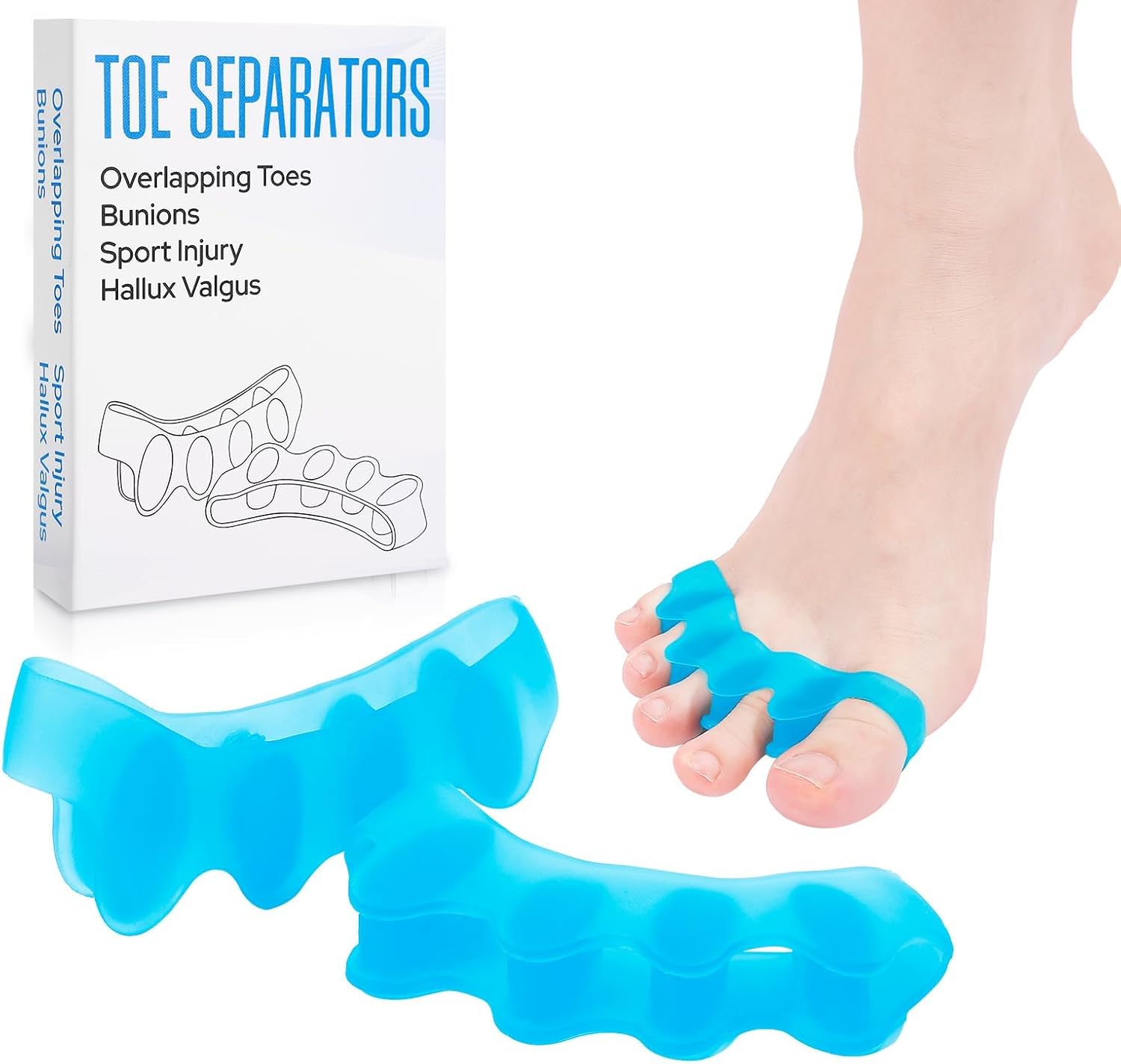
Toe separators are soft devices that sit between your toes and gently guide them into their natural alignment. Picture the opposite of a tight shoe. Instead of squeezing your toes together, separators encourage them to spread. This stretch targets the tiny soft tissues between each toe that rarely get attention. They also help the big toe return toward its natural position, which matters for balance and push-off strength when you walk.
People use them for many reasons. Runners want better foot mechanics. People who stand all day want less burning in the forefoot. Others want relief from bunions, hammertoes, plantar fasciitis, or general stiffness. Toe separators are common in physical therapy and podiatry settings as part of conservative care plans.
They are not built to “fix” structural deformities, but evidence shows they can reduce pain and help reposition the hallux in mild-to-moderate cases when paired with strengthening and better footwear.
How Toe Separators Work in the Body
Toe separators look low-tech, but there is plenty of anatomy behind their design.
They restore natural toe splay. Toes are supposed to spread slightly when you stand and walk. When shoes squeeze them together, the foot loses its ability to distribute weight evenly. Toe separators encourage the toes to return to a more functional position, which can help improve stability and reduce pressure on the big toe joint.
They activate intrinsic foot muscles. These are the small muscles inside the foot that control balance and toe movement. When toes can move independently, these muscles turn on. Stronger intrinsic muscles can improve arch support and reduce stress on the plantar fascia.
They improve mobility. When the soft tissues between toes stretch, the joints can move more freely. That helps people who deal with stiffness after long periods of standing or walking.
They change pressure patterns under the foot. Studies show toe splay affects how weight travels across the foot. More even pressure often means fewer hotspots and less fatigue.
They work well with massage. If you come to Via with calf tightness, ankle stiffness, or foot discomfort, toe separators reinforce the improvements you get in your session. They help maintain better alignment long after you leave the table.
5 Benefits of Toe Separators
1. Relief from Bunions
Toe separators gently guide the big toe into a healthier angle. For early bunions, research shows this can reduce discomfort when paired with exercises and wide-toe box shoes. They will not reverse a bunion, but they can help slow progression and improve comfort.
2. Better Plantar Fascia Support
When the toes spread, the arch engages more naturally. This takes some strain off the plantar fascia, which is why many people with plantar fasciitis find relief. Toe separators help distribute pressure across the foot instead of letting it land in one overloaded spot.
3. Improved Balance and Stability
A wider toe base gives the body more control. Even small increases in toe splay can improve postural stability and proprioception. If you tend to wobble during single-leg tasks or feel unsteady on uneven ground, this small change can help.
4. Less Forefoot Pain
Squeezed toes often lead to burning or pressure in the ball of the foot. This is common in people who wear narrow shoes or stand for hours. Separators reduce compression in the metatarsal region and often provide noticeable relief within a week or two.
5. Happier Muscles and Joints
By improving alignment, toe separators help the whole chain. Calves work less. Ankles move better. The big toe joint stops taking the full load. Many users report less fatigue during long days and fewer end-of-day aches.
Toe Separators vs Toe Socks
People often assume toe socks and toe separators do the same job, but they serve different purposes.
Toe separators are usually silicone or gel. They create structured spacing between toes. They give a more noticeable stretch and can be used while barefoot or inside shoes with a wide toe box. They are great for targeted alignment work, bunion discomfort, and improving mobility.
Toe socks are regular socks with individual toe compartments. Some have light padding between toes. They do separate the toes, but the effect is gentler. They are more comfortable for long wear or sleeping. Many people use toe socks as an introduction before transitioning to true separators. They are also helpful for people who want mild separation without the intensity of the silicone version.
If you want strong alignment support, go with separators. If you want everyday comfort and mild spacing, toe socks may be enough.

The Toe Separators We Recommend
At Via Medical Massage, we steer people toward high-quality silicone separators that feel soft, flexible, and durable. The ultra-cheap versions found in bulk online tend to tear quickly or dig into the skin. You want something that bends with your foot and can be cleaned easily.
We also look at your goals.
- If you want to improve bunion comfort, we recommend structured separators that guide the big toe more intentionally.
- If you want mild relief from stiffness or tired feet, a softer pair works well.
- If you want to wear them for long periods, toe separator socks can be a great addition.
Our therapists can also show you how to pair separators with simple exercises like toe spreading, towel scrunches, and calf stretching. The combination of massage therapy and at-home foot tools supports long-term mobility.

soft gel toe separator socks
TOE SEPARATORS SOFT GEL: https://amzn.to/48rNNOh
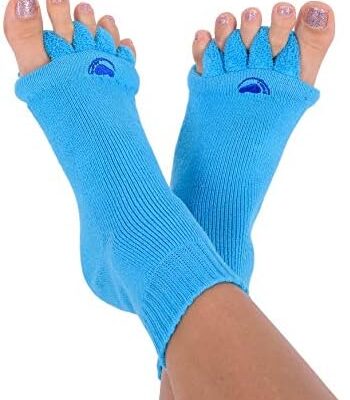
blue toe separator socks
BUY TOE SEPARATOR SOCKS: https://amzn.to/4rGNUgu

Bunion toe spacer
BUY BUNION CORRECTOR: https://amzn.to/4rGvi04
Are There Toe Separator Risks?
Toe separators are safe for most people, but a few groups should be cautious.
If you have diabetes with neuropathy, poor circulation, or a history of foot ulcers, check with your doctor first. Any device that changes pressure points under the foot can create issues when sensation is reduced.
If you experience numbness, tingling, sharp pain, or skin irritation, reduce your wear time or stop completely. Toe separators should create a stretch, not restrict blood flow. Start with five to ten minutes per day and increase slowly.
If you have had recent foot surgery or an acute injury, talk to a provider before adding anything that changes alignment or pressure.
The Bottom Line for Happier, Healthier Feet
Toe separators are small, inexpensive, and surprisingly effective. They open tight spaces, wake up sleepy muscles, and support healthier alignment throughout the whole foot. Many people feel a difference within a week and see even better results when they combine separators with massage and strengthening.
At Via Medical Massage, we focus on whole-person healing. We can help your feet feel better on the table, but we also want to arm you with simple tools that support comfort, strength, and everyday wellness between visits.
This post contains affiliate links that might earn us a commission at no extra cost to you. We only recommend products that are vetted and trusted by our team.