
If your neck always feels tight, your shoulders live somewhere near your ears, or your headaches seem to come out of nowhere, there’s a good chance trigger points are part of the story. These small but stubborn spots can keep your body stuck in a cycle of tension that stretching alone never quite fixes.
At Via Medical Massage, we see this all too often. People come in thinking they just need to “loosen up,” but what they actually need is targeted work that gets to the root of the problem. Once you understand how trigger points work and where they tend to show up, you can finally start getting ahead of them instead of chasing relief.
This point contains affiliate links. We might earn a commission at no extra cost to you. We only recommend products we believe in and support a healthy lifestyle.
What Is a Trigger Point?
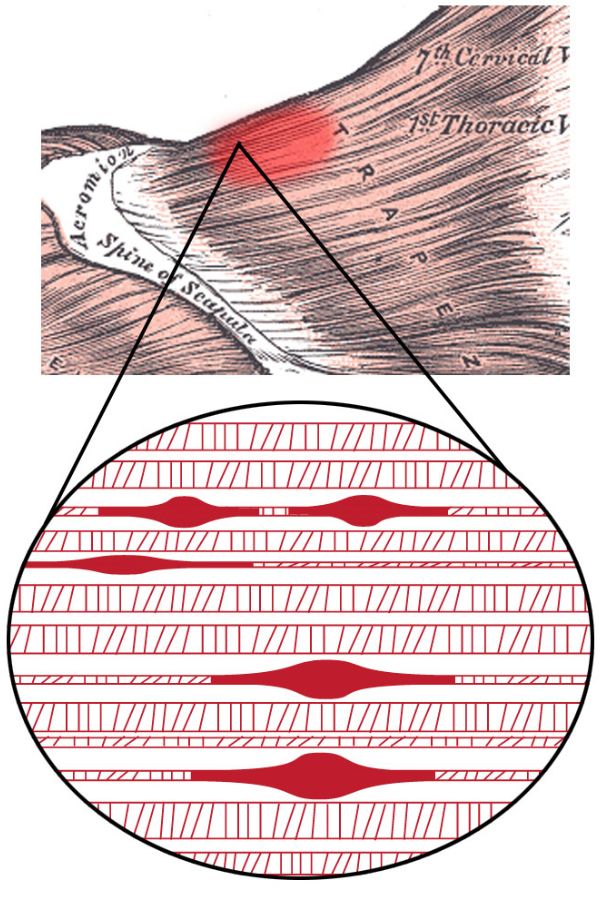
A trigger point is a tight, irritated section of muscle fibers that stays contracted when it shouldn’t. Instead of relaxing like healthy muscle tissue, it gets stuck. That leads to reduced blood flow, less oxygen, and a buildup of irritation in that exact spot.
What makes trigger points especially frustrating is how they refer pain. The discomfort you feel isn’t always where the trigger point lives. A spot in your shoulder can cause headaches. A tight hip can show up as lower back pain.
This is also why stretching doesn’t always work. You can lengthen the muscle around it, but if that one contracted area doesn’t release, the tension sticks around.
The Most Common Trigger Points
A trigger point can show up in any muscle. That said, they’re not evenly distributed. Some muscles are way more prone to developing trigger points because of how we use them day to day.
Muscles that tend to get them most often:
- Postural muscles (neck, shoulders, upper back)
- Muscles that stay “on” all day (like the calves or hip stabilizers)
- Areas that compensate for weakness somewhere else
That’s why you see the same usual suspects over and over. Here are the top three trouble spots where you’re likely dealing with trigger points.
Upper Trapezius (Top of Shoulder and Neck)
This is the one almost everyone has dealt with. The upper traps run from your neck to your shoulders and are constantly working to support your head. Long hours at a desk, driving, or scrolling on your phone keep them engaged all day.
Trigger points here often cause tight shoulders, limited neck movement, and tension headaches that start at the base of the skull.
Levator Scapulae (Side and Back of the Neck)
This smaller muscle connects your neck to your shoulder blade. It’s heavily involved when you turn your head or shrug your shoulders. It also tends to get overloaded when your posture drifts forward.
When trigger points develop here, you might feel sharp stiffness when turning your head or that “crick in the neck” feeling that doesn’t go away quickly.
Gluteus Medius (Side of the Hip)
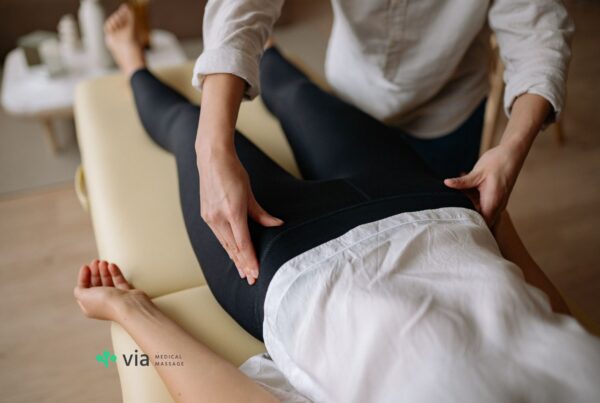
Not all trigger points live in the upper body. The gluteus medius is a stabilizing muscle on the side of your hip, and it plays a big role in how you walk and stand.
When it develops trigger points, it can refer pain into the lower back or down the side of the leg. It’s a common but often overlooked source of discomfort, especially for people who sit for long periods.
MORE: Where your body holds stress and how to release the tension
How Massage Releases Trigger Points
Releasing a trigger point isn’t about general relaxation. It requires precise, targeted pressure to that exact spot.
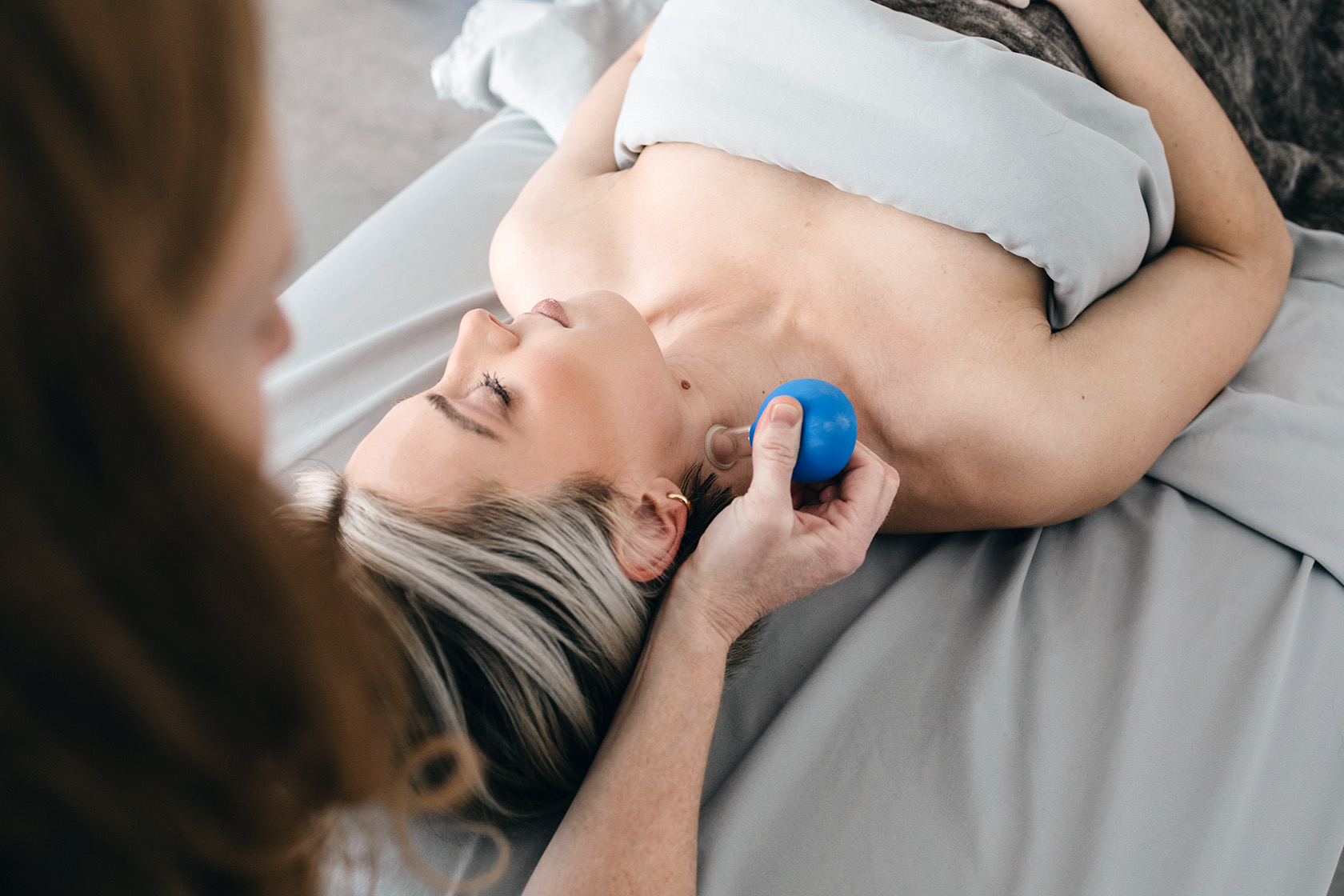
During a medical massage session at Via, we locate the trigger point and apply controlled pressure to encourage the muscle fibers to release. This helps restore blood flow, improve oxygen delivery, and allow the muscle to return to a normal resting state.
You might feel some discomfort during the release, but it’s the kind that feels productive. Many clients describe it as “hurts so good,” followed by a noticeable drop in tension.
Beyond the immediate relief, massage also helps retrain the muscle. When paired with the right movement and posture habits, it becomes much easier to keep that trigger point from coming back.
Tools to Use at Home on Trigger Points
If you’ve ever tried to work out a knot on your own, you already know how tempting it is to just press harder and hope for the best. The reality is, effective trigger point work at home is less about force and more about consistency and control.
There are simple tools that can help you apply steady, targeted pressure in the right places without overdoing it. Used correctly, they can extend the benefits of your massage sessions and help you stay ahead of flare-ups between appointments. You can also shop our Amazon storefront to find massage tools for trigger points, self-care, and recovery before and after sessions.
RAD Baller Bundle
At Via Medical Massage, we carry several versions of Rad Balls in our clinics. You can also easily order them online.
One of the best values is the RAD Baller Bundle. This is a compact, full-body recovery set with five tools in different densities and textures. It’s designed to target everything from feet and hands to your back, neck, and jaw, with options for different pressure preferences. Easy to take anywhere, it’s built for quick relief at home or on the go.

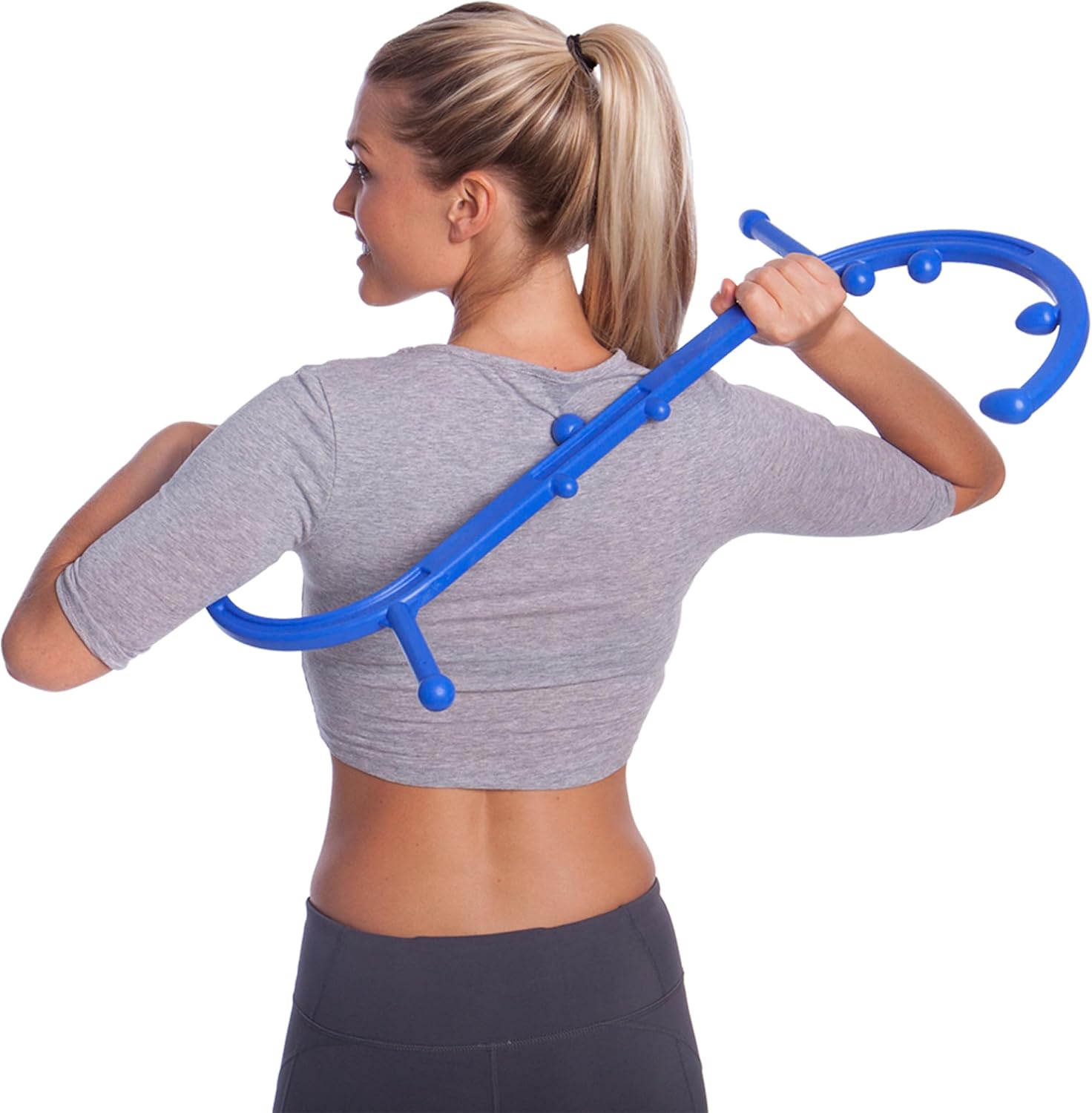
Theracane
A Theracane is designed to help you reach the spots you can’t easily get to on your own, like between the shoulder blades, upper back, and deep into the neck. Its hooked shape lets you apply steady, targeted pressure to trigger points that usually require a therapist’s hands, giving you more control over your relief between sessions.
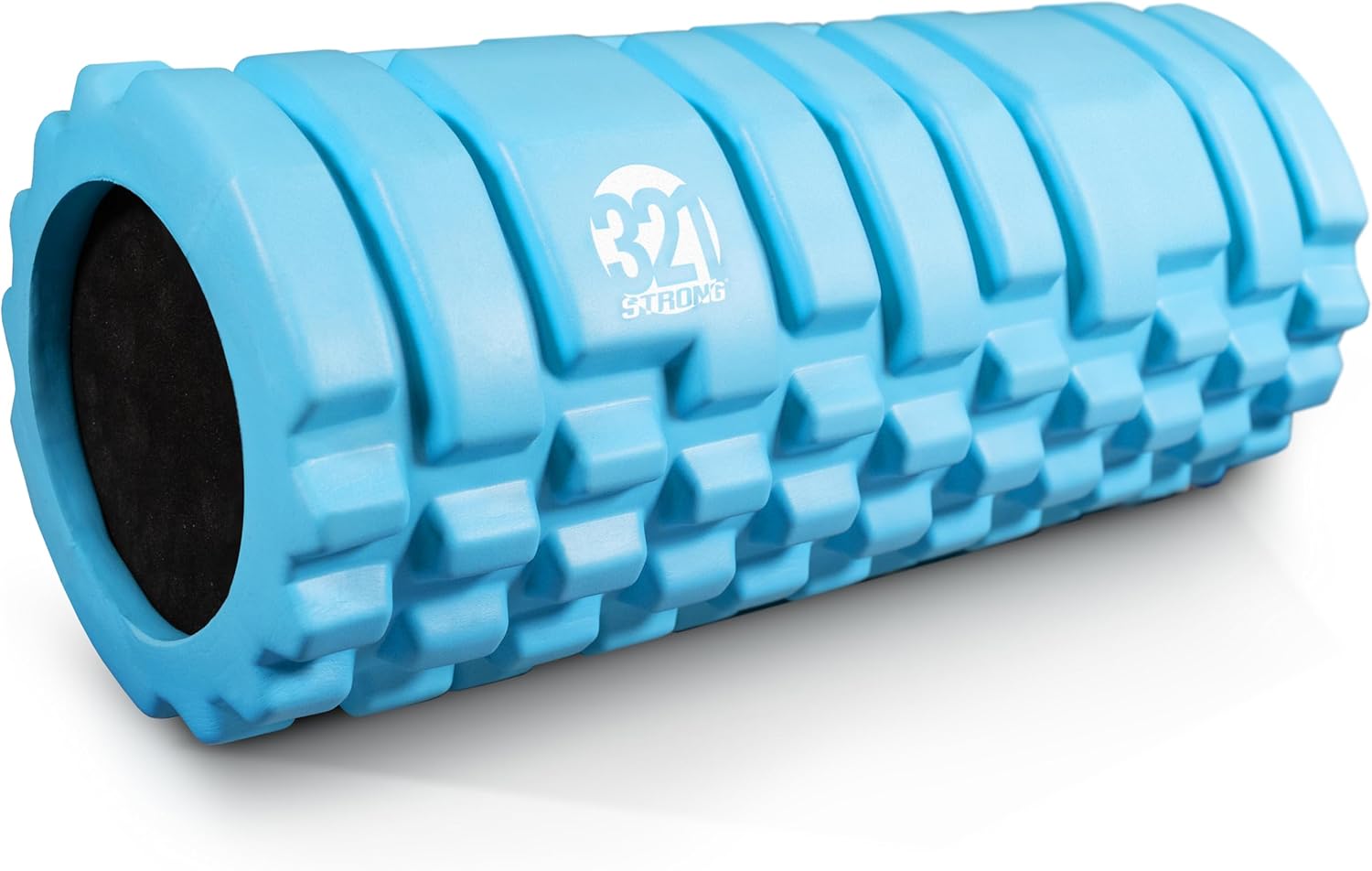
Foam Roller
This textured foam roller is built for deeper, more targeted muscle work than a standard smooth roller. Its patterned surface mimics a therapist’s hands, letting you apply varying levels of pressure to break up knots and tight fascia, especially in the back and neck. It’s firm enough to be effective but designed to stay comfortable along the spine, making it a solid option for recovery, mobility, and reducing soreness after workouts.
Book a Massage for Trigger Point Relief Today
If you’re constantly dealing with tight shoulders, neck pain, or lingering aches that never fully go away, it’s time to address the source.
At Via Medical Massage, we focus on identifying and releasing trigger points while also looking at why they formed in the first place. That means you’re not just getting short-term relief. You’re getting a plan that helps your body move and feel better long term.
Book your session today at one of two locations in Lincoln or our Elkhorn location (Omaha), and finally get ahead of the tension instead of working around it.
Affiliate Disclosure: Some links on this page are affiliate links, which means Via Medical Massage may earn a small commission if you make a purchase. We only recommend products that our therapists use, trust, or believe may benefit our clients. Purchasing through these links does not increase your cost and helps support the educational content we provide.