

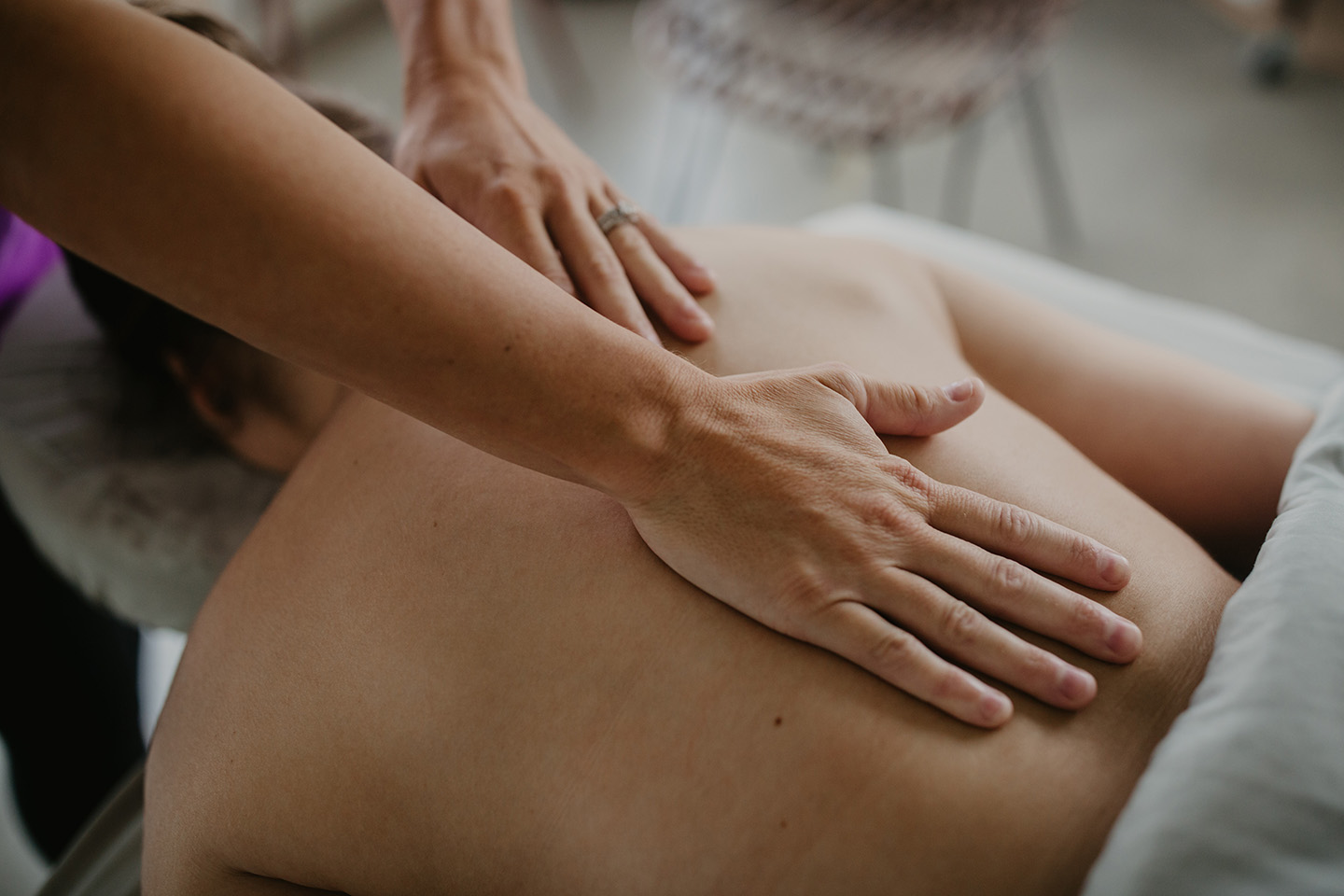
Medical massage works best when it isn’t happening in a vacuum. The most effective treatment plans happen when your massage therapist communicates with the healthcare providers already guiding your care.
Whether you’re recovering from surgery, managing chronic pain, or navigating a complicated diagnosis, a skilled medical massage specialist should work alongside your providers. That collaboration helps ensure treatment is safe, targeted, and aligned with the bigger picture of your health.
At Via Medical Massage, collaboration isn’t an afterthought. It’s part of how treatment plans are built.
Why Collaboration Matters in Medical Massage
Massage therapists often spend more hands-on time with patients than most healthcare providers. That time gives them valuable insight into how muscles, connective tissue, swelling, and pain patterns are changing between medical appointments.
But that information becomes far more powerful when it’s shared with the rest of the care team.
When medical massage specialists communicate with providers, it allows everyone involved to:
- Stay aware of surgical restrictions or recovery timelines
- Adjust treatment when swelling, inflammation, or complications appear
- Support rehabilitation plans already underway
- Reinforce progress made in other therapies
Instead of working separately, the care team works together to support the same goal: helping the patient recover and function better.
The 7 Providers Via Medical Massage Collaborates With
Medical massage therapists rarely work alone when a client is dealing with a complex health issue. In many cases, the best results happen when massage is coordinated with the providers already guiding treatment.
These collaborations help ensure the work being done during massage sessions supports the patient’s broader care plan rather than working against it. These collaborations are so important that Via Medical Massage has built a network of provider connections in the Lincoln and Omaha area.
Here are some of the providers that medical massage therapists most commonly collaborate with.
Physical Therapists
Physical therapists and medical massage therapists often work with the same patients during injury recovery or post-surgical rehabilitation.
Physical therapy typically focuses on restoring movement, strength, and stability. Massage therapy can help by addressing soft tissue restrictions that may limit progress between therapy sessions.
Communication between providers often centers on what manual therapy techniques the physical therapist is using and where additional work may help. If certain muscles remain tight or restricted after therapy sessions, massage can help reduce tension and improve mobility so patients can get more out of their rehabilitation exercises.
Chiropractors
Chiropractors and massage therapists frequently treat overlapping issues involving the spine, joints, and surrounding muscle groups.
Chiropractic care focuses on joint alignment and nervous system function. Massage therapy supports that work by addressing muscular tension that may be contributing to joint stress or discomfort.
When providers communicate, massage sessions can focus on areas that help support spinal adjustments and reduce muscle patterns that might pull joints back out of alignment.
Surgeons
Surgical recovery is another area where collaboration is especially important.
Patients recovering from procedures may experience swelling, fluid buildup, scar tissue formation, or limited mobility as the body heals. In these cases, surgeons may recommend techniques such as manual lymphatic drainage or scar massage as part of the recovery process.
Communication with the surgical team also helps ensure the therapist understands any restrictions related to positioning, pressure, or weight-bearing during treatment.
Physicians and Medical Specialists
Medical massage therapists may also communicate with physicians and specialists when a client’s condition requires additional clarity or caution.
For example, a client may arrive for treatment while dealing with complications or recovery questions following a procedure. In some cases, a therapist may contact the provider to confirm how the massage should proceed if the client:
- Is recovering from surgery and experiencing swelling or fluid buildup, such as a seroma
- Has positioning or weight-bearing restrictions during recovery
- Recently received a pain injection and needs guidance on timing before massage treatment
These conversations help ensure the treatment plan aligns with medical recommendations and protects the patient’s recovery process.
Occupational Therapists
Occupational therapists help patients regain the ability to perform everyday tasks after injury, surgery, or neurological conditions.
Massage therapy can support this work by improving soft tissue mobility in areas that affect daily movement. Reducing muscle tension or improving tissue flexibility can make it easier for patients to practice the functional movements they are working on in occupational therapy sessions.
Collaboration between providers helps reinforce those improvements and supports long-term recovery.
Speech Pathologists
In some cases, massage therapy may also intersect with care provided by speech pathologists.
For example, after procedures such as tongue tie release, providers may recommend lymphatic work to help manage swelling and support healing. In situations like this, communication between providers helps ensure massage techniques are applied appropriately and safely during recovery.
OBGYNs
OBGYNs may be part of the care team when a client needs support during pregnancy, postpartum recovery, or healing after a C-section.
Prenatal and postpartum massage often involves more than general relaxation. Clients may be dealing with swelling, hip and low back pain, abdominal tension, scar tissue, or discomfort related to the physical demands of pregnancy and recovery. In cases involving C-section scar massage, communication with the provider helps ensure treatment begins at the right stage of healing and respects any medical concerns or recovery restrictions.
When massage therapists collaborate with OBGYNs, treatment can better support the patient’s comfort, mobility, and recovery while staying aligned with the broader care plan.
Dentists and Oral Health Providers
Dentists and other oral health providers can also play an important role in collaborative care, especially when a client is dealing with TMJ pain, jaw tension, or recovery after dental surgery.
Problems involving the jaw often extend well beyond the mouth. Tension in the jaw can affect the cheeks, temples, neck, shoulders, and even contribute to headaches. Medical massage may help address muscle tightness and surrounding soft tissue restrictions, but communication with the dental provider helps ensure treatment is appropriate based on the patient’s diagnosis, recent procedures, and stage of healing.
This type of collaboration is especially helpful for clients recovering from dental surgery or dealing with persistent TMJ-related discomfort that may benefit from a more coordinated treatment approach.
Let’s Work With Your Care Team
If you’re dealing with pain, recovering from surgery, or navigating a complex diagnosis, you shouldn’t have to coordinate your care alone. Medical massage works best when it supports the treatment plan your healthcare providers already have in place.
At Via Medical Massage, we regularly communicate with physicians, surgeons, physical therapists, chiropractors, and other specialists to make sure massage therapy aligns with your recovery goals. If you already have a provider guiding your care, we’re happy to connect with them and coordinate treatment so everyone is working from the same playbook.
If you’re not sure where to start, we can also help connect you with trusted professionals in the greater Omaha and Lincoln areas. Building strong partnerships with local providers is a big part of how we help patients get better results.
We are always looking to expand our network of healthcare partners who believe in collaborative care.
If you’re a patient who wants your care team working together, or a provider interested in partnering with us, reach out to Via Medical Massage. Contact Via Medical Massage today to start the conversation and see how coordinated care can improve your recovery and overall wellness.