
“Sleepmaxxing” is the latest trend promising better rest through everything from supplements and sleep trackers to blackout curtains and magnesium mocktails. Some of it works. Some of it is just expensive bedtime theater.
What often gets overlooked is the physical side of sleep. Tight muscles, stress patterns, and nervous system overload don’t magically switch off at night. That’s where massage comes in. It’s not another gadget. It’s a way to actually help your body shift into the kind of relaxed state sleepmaxxing is trying to achieve.
What Is Sleepmaxxing?
Sleepmaxxing is the internet’s latest attempt to turn better sleep into a full-blown routine. The term picked up traction on platforms like TikTok and Reddit, where biohackers, wellness creators, and burned-out professionals started sharing everything they do to “optimize” sleep. Think of it as the sleep version of fitness stacking or morning routines, just with more magnesium and fewer alarms.
It grew out of a mix of biohacking culture, wearable tech data, and a general realization that people are exhausted. Instead of just going to bed earlier, sleepmaxxing tries to engineer the perfect conditions for deeper, longer, more efficient sleep.
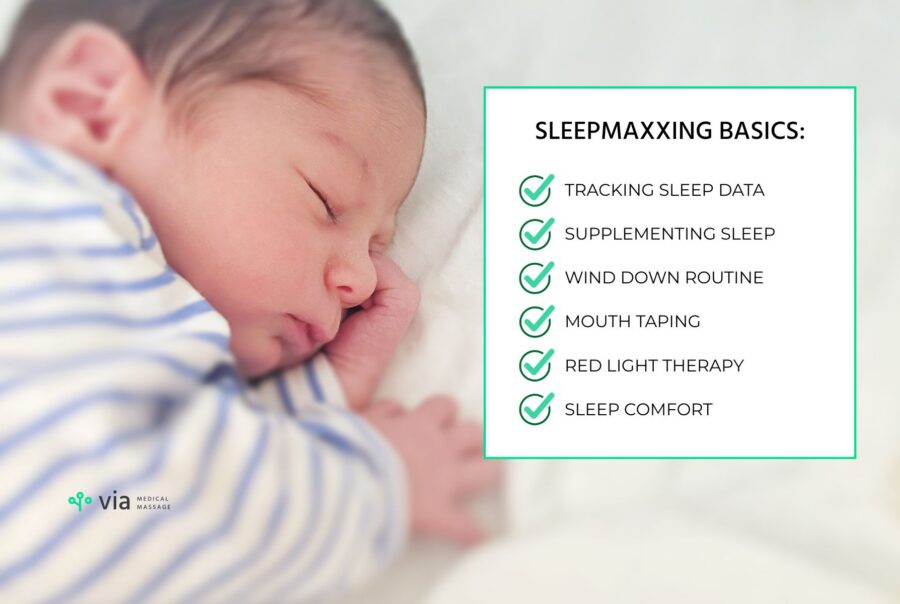
Here’s what typically falls under the sleepmaxxing umbrella:
- Tracking sleep data with apps, rings, or smartwatches
- Using supplements like magnesium, melatonin, or herbal blends
- Creating a strict wind-down routine before bed
- Limiting blue light with glasses or screen settings
- Cooling the room or using temperature-regulating bedding
- Blackout curtains and noise control for a darker, quieter space
- Mouth taping or nasal breathing techniques
- Adjusting diet timing, caffeine intake, and alcohol use
- Red light therapy or low-light environments at night
- Optimizing mattresses, pillows, and sleep positioning
Does Sleepmaxxing Work?
Short answer. Sometimes. But not always for the reasons people think.
A lot of sleepmaxxing habits are rooted in real science. Consistent sleep schedules, limiting blue light, and managing caffeine can absolutely improve sleep quality. Tools like wearables can also help you spot patterns, even if they’re not perfectly accurate. The issue is when the routine becomes so complicated it creates pressure to “perform” sleep, which can backfire.
Sleep isn’t something you can force. It’s something your body allows when it feels safe and relaxed. That’s where many sleepmaxxing routines fall short. They focus heavily on external fixes like gadgets and supplements, while ignoring internal factors like muscle tension, stress, and nervous system overload.
If your body is still in a heightened state, no amount of perfect lighting or magnesium is going to fully solve that. That’s why the most effective approach tends to be simpler. Build a few solid habits, then support your body in actually winding down.
Why We Think Massage Should Be Part of the Sleepmaxxing Trend
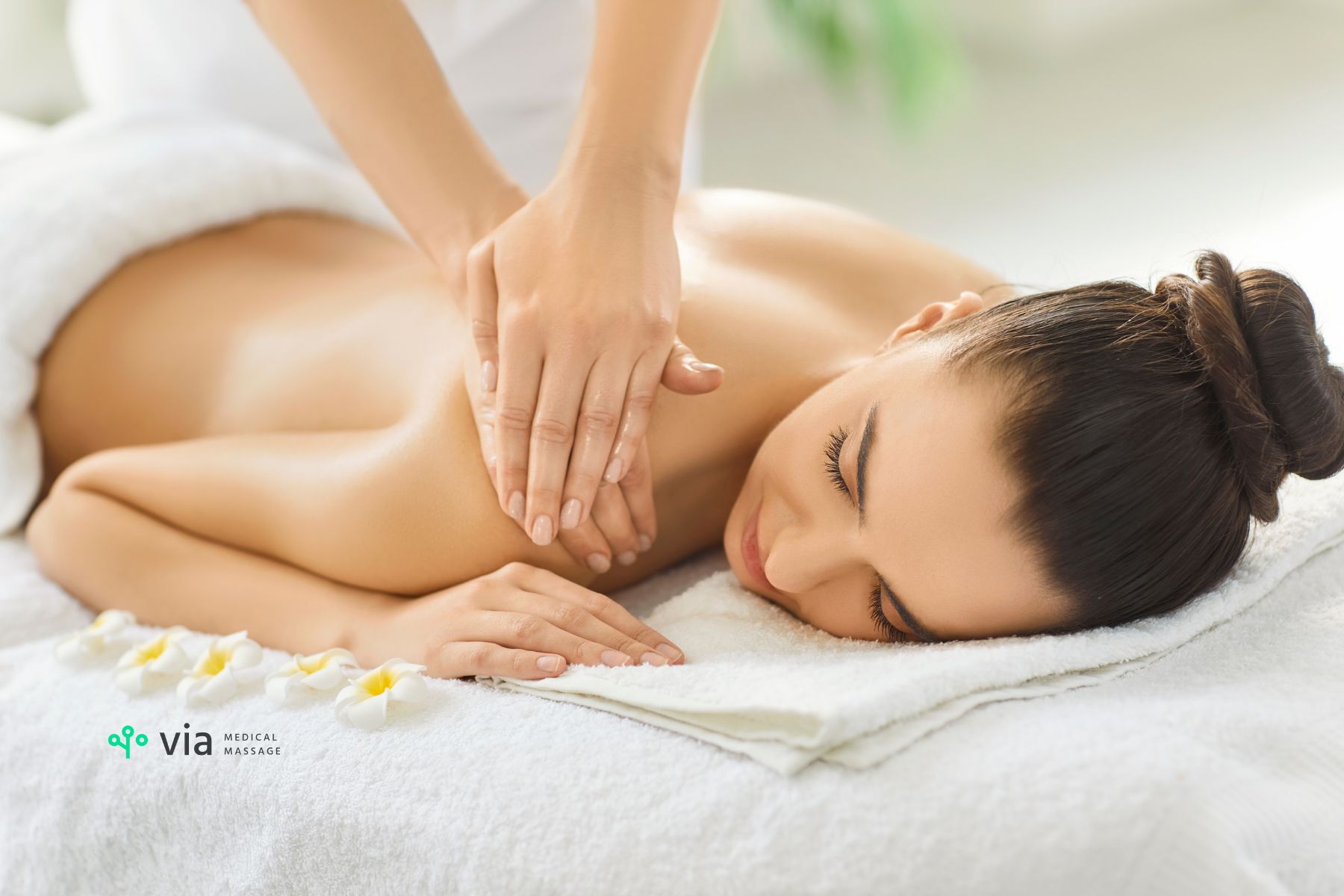
Sleepmaxxing focuses on optimizing your environment. Massage focuses on optimizing your body. That’s the gap. If your muscles are tight and your nervous system is still in go-mode, your brain doesn’t fully settle, no matter how perfect your routine looks on paper.
It Helps Shift Your Nervous System Out of “On” Mode
Massage activates the parasympathetic nervous system, which is your body’s rest-and-digest setting. That’s the state where sleep actually happens. You’re not forcing sleep. You’re creating the conditions for it.
It Reduces Physical Tension You Might Not Notice
Shoulders, jaw, hips, and even your lower back can hold tension all day. You might not feel it until you try to fall asleep and can’t get comfortable. Massage helps release those patterns so your body can actually relax into the mattress.
It Can Support Better Sleep Quality, Not Just Quantity
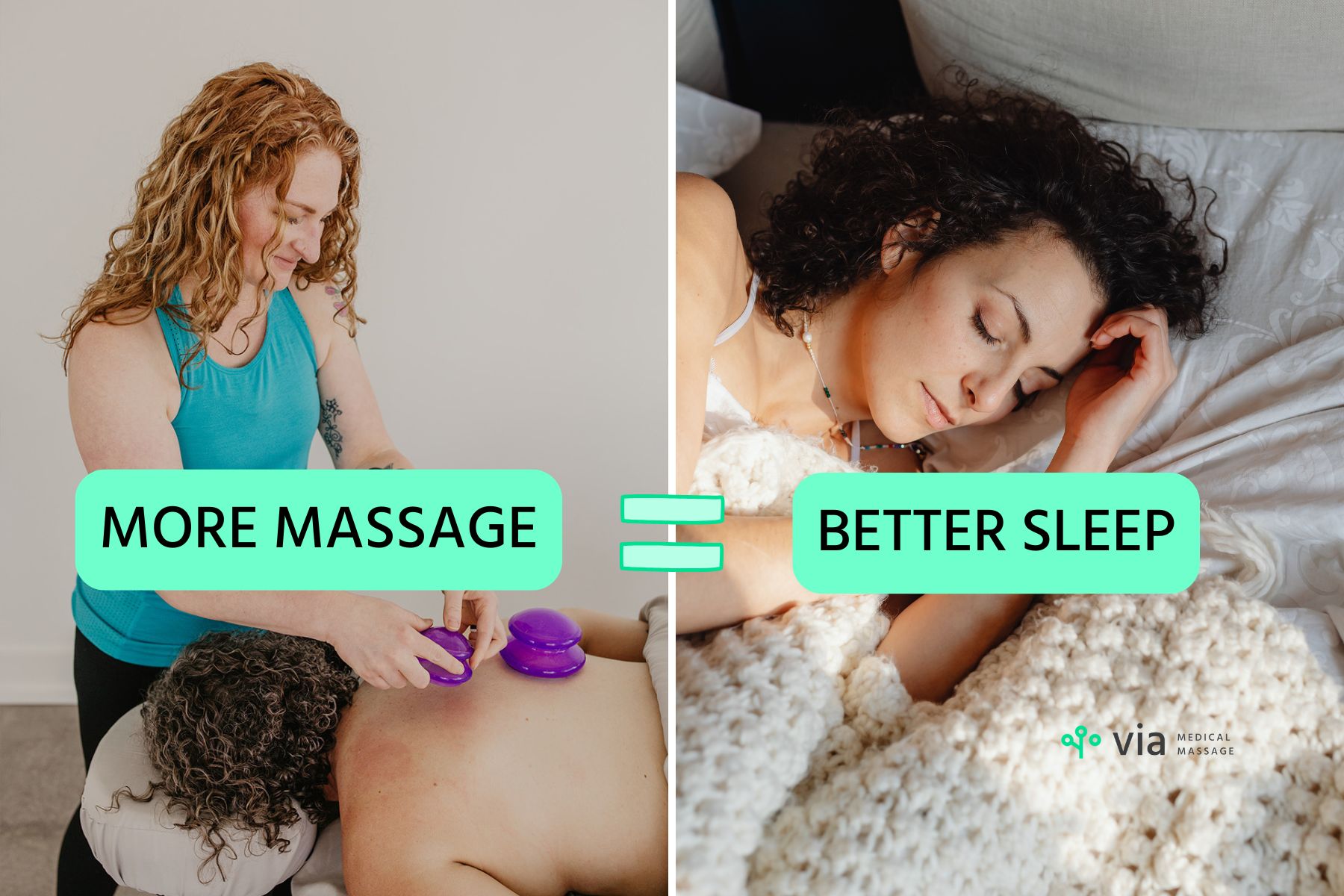
Massage has been linked to deeper sleep cycles and fewer nighttime wakeups. It’s not just about falling asleep faster. It’s about staying asleep and waking up feeling like you actually rested.
It Lowers Stress Hormones That Interfere With Sleep
High cortisol levels can keep your body alert even when you’re exhausted. Massage can help lower cortisol while boosting feel-good hormones like serotonin, which plays a role in sleep regulation.
It Works With Your Routine, Not Against It
You don’t have to overhaul your entire routine to include massage. It can be part of a weekly reset, targeted work for problem areas, or even short sessions that help your body wind down before bed.
The Glymphatic System: Your Brain’s Overnight Cleanup Crew
While you sleep, your brain gets to work clearing out waste through something called the glymphatic system. Think of it as a reset process that flushes out toxins and metabolic byproducts that build up during the day.
This system is most active during deep sleep, when brain cells actually shrink slightly to allow fluid to move more freely. If your sleep is shallow or disrupted, that cleanup process doesn’t work as efficiently. Over time, that can impact everything from mental clarity to long-term brain health. It’s another reminder that quality sleep isn’t optional. It’s the maintenance that your brain depends on.

Ready to Actually Feel the Difference in Your Sleep?
You can stack all the sleep habits you want, but if your body isn’t relaxing, your sleep won’t either. That’s where Via Medical Massage comes in. Whether you’re dealing with tension, stress, or pain that keeps you up at night, targeted medical massage helps your body shift into a state where real rest can happen.
Book a medical massage session to support deeper sleep, reduce pain, and give your body a reset that no supplement or gadget can replicate. Via Medical Massage has locations in Lincoln and Omaha to serve the Nebraska communities.