

At first, it looks like a typo: glymphatic system. After years of lymphatic drainage getting attention, the glymphatic system is starting to show up in research and wellness conversations.
The two systems are connected, but they don’t do the same job. One supports fluid movement throughout the body. The other focuses on the brain, mostly during sleep. Massage can influence both, which is why understanding them matters in a clinical setting.
Our therapists work with these systems every day, whether we’re reducing swelling after surgery or helping someone improve relaxation and recovery. Before we get into how, let’s break each one down.
What Is the Lymphatic System?
The lymphatic system is a real and well-established part of human anatomy. It runs throughout the body, moving fluid, proteins, and waste through a network of vessels, lymph nodes, and organs like the spleen and thymus.
Its two main jobs are immune defense and fluid balance. When the system slows down or becomes overwhelmed, fluid can build up, leading to swelling, inflammation, or that heavy, puffy feeling many people describe after injury, surgery, or illness.
Manual lymphatic work helps support the natural movement of lymph, encouraging the body to clear waste more efficiently. This is common in post-surgical care, chronic inflammation, athletic recovery, and even stress management.
When you hear “manual lymphatic drainage massage,” the goal is usually to support this system’s natural flow rather than force movement or apply deep pressure.
What Is the Glymphatic System?
The glymphatic system is real, but it’s newer in the scientific conversation. It wasn’t clearly identified until about 2012. It focuses on clearing metabolic waste from the brain.
Instead of using lymph vessels, the glymphatic system works through the spaces around the brain’s blood vessels, supported by glial cells. It is most active during deep sleep, when the brain essentially “rinse cycles” itself. Research suggests glymphatic function may play a role in cognitive clarity, recovery after stress, and long-term brain health.
The glympahtic system does not operate in the same way as the lymphatic system and cannot be “drained” the same way. However, relaxation work, breath, nervous system regulation, and improving neck and upper back circulation can help support the conditions in which the glymphatic system works best.
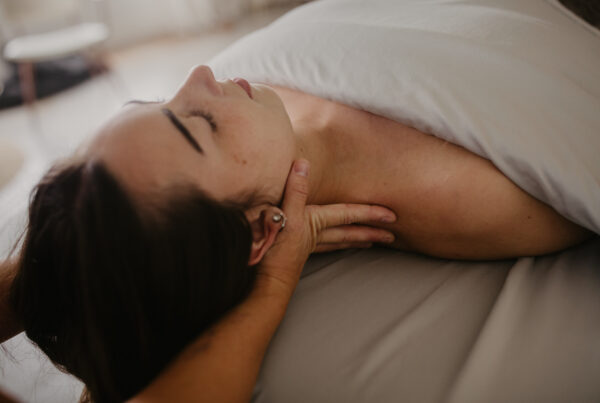
In fact, some of the headache, TMJ, and head massage techniques we use during certain massages at Via Medical Massage in Nebraska impact both the lymphatic and glymphatic systems.
Comparing the Lymphatic vs. Glymphatic Systems?
These two systems aren’t duplicates, but they are connected in how your body clears waste. The glymphatic system handles cleanup inside the brain, and then some of that waste eventually moves into the broader lymphatic system to be filtered and removed.
The lymphatic and glymphatic systems rely on similar things to function well: healthy circulation, steady breathing, low stress, and quality sleep. Understanding where they overlap and where they differ helps explain why certain massage techniques feel more effective than others.
The chart below breaks down the key distinctions so you can see how each system works and why they both matter.
| Feature | Lymphatic System | Glymphatic System |
| Location | Runs throughout the entire body in vessels and nodes | Located within the brain and spinal cord |
| Primary Function | Moves fluid, proteins, and waste out of tissues and supports immune defense | Clears metabolic waste from the brain, especially during deep sleep |
| How It Moves | Uses muscle movement, diaphragm breathing, and manual pressure to circulate fluid | Relies on sleep cycles and the flow around blood vessels, supported by glial cells |
| When It Works Most | All day, with increased movement during physical activity and breath work | Primarily at night during deep, restorative sleep |
| How Massage Can Support It | Manual lymphatic drainage techniques guide fluid toward lymph nodes and reduce swelling | Neck, jaw, scalp, and upper back work helps the body settle into deeper sleep and improve circulation |
| Common Reasons to Support It | Post-surgical swelling, chronic inflammation, immune support, athletic recovery, general puffiness | Cognitive fatigue, stress recovery, headaches or head pressure, supporting better sleep |
| Signs the System May Be Struggling | Feeling puffy or swollen, especially in the face or limbs; slow post-injury healing; frequent congestion or heaviness; discomfort with fluid retention | Brain fog, waking up tired even after sleeping, headaches or pressure around the head or behind the eyes, difficulty winding down at night, feeling “tired but wired” |
How Massage Supports the Glymphatic System
The glymphatic system is most active during deep, restorative sleep. Massage can’t “pump” it directly, but it can support the conditions that let it function.
Massage may help by:
- Calming the nervous system so the body can shift into deeper sleep states
- Releasing tension in the neck, jaw, scalp, and upper back to support cerebrospinal fluid flow
- Improving diaphragmatic breathing patterns, which influence circulation around the brain and spine
- Reducing overall stress load, which can interfere with sleep depth and recovery
- Encouraging parasympathetic (rest-and-digest) activity, which primes the brain’s nightly cleaning cycle
This work is slower and more focused on relaxation than on pressure or intensity.
How TMJ Massage Supports Both Systems
At Via Medical Massage, one of our specialties is TMJ massage. That includes gentle intraoral work to release tight muscles around the jaw. By getting a TMJ massage, you’re supporting the glymphatic and lymphatic systems.
The jaw, temples, and neck play a major role in how the face drains and how the nervous system settles. When those areas are tight, both systems can feel like they’re working harder than they should.
TMJ massage may help by:
- Releasing tension in the jaw, temples, and neck that can interfere with deep, restorative sleep (glymphatic support)
- Encouraging drainage through the lymph nodes under the jaw and along the sides of the neck (lymphatic support)
- Reducing that heavy, full, or inflamed feeling that many people get around the jawline and face
- Calming the nervous system so the body can shift out of stress patterns
- Improving awareness of clenching, grinding, and mouth breathing
Even though it’s a small area, TMJ work has a wide-reaching effect on how the body settles, drains, and recovers.
Is There Such a Thing as Glymphatic System Massage
Not in the same way you can get a lymphatic drainage massage. The glymphatic system doesn’t respond to direct pressure. It works mainly during deep sleep and relies on good circulation in the neck and head, relaxed jaw muscles, steady breathing, and a calm nervous system.
So the goal isn’t to manually “drain” the brain. Instead, massage can support the conditions that allow the glymphatic system to work well. Techniques that help include:
- TMJ and neck release
- Scalp and cranial work
- Slow, parasympathetic-focused massage
- Breath and diaphragm support
In other words, we don’t “pump” the glymphatic system. We help your body shift into the state where it can do its job.
At-Home Techniques for the Glymphatic System
The glymphatic system depends on deep, consistent sleep. Anything that helps you relax and settle before bed can support it.
Try:
- Going to bed at the same time each night to strengthen your sleep cycles
- Sleeping on your side, which research suggests may support glymphatic flow
- Light stretching for the jaw, neck, and upper back to release tension
- Slow nasal breathing to help shift your nervous system into rest mode
- Reducing screens at least 30 minutes before bed to avoid the “tired but wired” feeling
Think of this system as your brain’s nightly clean-up crew. Your job is to set the optimal conditions for restorative sleep.
Bringing the Lymphatic vs Glymphatic Systems Together
Both systems are part of how your body restores itself, but they each need different kinds of support. Lymphatic work focuses on guiding fluid through pathways in the body. Glymphatic support is about helping the brain settle into the deep rest it needs to clean house.
Massage can play a meaningful role in both, especially when it’s done with intention and an understanding of how these systems work. At Via Medical Massage, this is part of how we approach treatment planning, whether someone is recovering from surgery, managing stress, or addressing jaw tension and headaches.
If you’re curious what this could look like for you, we’re here to talk through it. Contact us today via email, phone, or use the chat function on this screen. We have two locations in Lincoln and one in Omaha (Elkhorn) to accommodate your health needs.