

I’ve been hearing more people ask about the glymphatic system lately, and the first reaction is usually “Is that spelled right?” Yes, it is. It’s not just the lymphatic system with a typo. The glymphatic system is a separate process focused on how the brain clears out its own waste. It hasn’t been part of everyday health conversations for long, which is why it feels new.
We’re going to keep this simple and clear. What the glymphatic system is, why it matters, and how you can support it in everyday life. Plus, we’ll investigate how your medical massage specialist can help you support the glymphatic system at your next appointment.
When Was the Glymphatic System Discovered?
The glymphatic system is relatively new in modern neuroscience. It was identified in 2012 by researchers at the University of Rochester who were studying how the brain clears out waste. Before this, scientists understood that the rest of the body used the lymphatic system for waste removal, but the brain didn’t have the same type of drainage pathway.
The discovery of the glymphatic system helped explain how the brain maintains its internal environment and why sleep plays such an important role in long-term brain health.
What Is the Glymphatic System?
The glymphatic system is the brain’s waste clearance pathway. It helps move out metabolic byproducts, proteins, and other substances that build up during normal brain activity. It also plays a role in delivering what the brain needs to function well. This includes circulating compounds like glucose, lipids, amino acids, and neurotransmitters to the brain’s tissue.
The name comes from “glial” cells and “lymphatic,” reflecting the supportive glial cells involved in the process.
Unlike the lymphatic system, which moves fluid through vessels throughout the body, the glymphatic system operates within the brain and spine. Its work is subtle, continuous, and deeply tied to your nervous system’s ability to rest.
How Does the Glymphatic System Work?
The glymphatic system works by circulating cerebrospinal fluid through the spaces around the brain’s blood vessels. This flow helps wash away waste products and transport them out of the brain for removal.
The process is most active during deep sleep, when the brain shifts into a state that allows more space for fluid movement. Stress, jaw tension, poor sleep, and restricted breathing can all influence how effectively this process happens.
Supporting the glymphatic system often means supporting relaxation, sleep quality, and ease in the neck and jaw areas, where circulation can be affected.
Signs of a Struggling Glymphatic System
Since the glymphatic system does most of its work during deep sleep, signs of strain can show up in how you feel mentally and physically the next day. None of these symptoms automatically means something is “wrong,” but they can suggest that the brain isn’t getting the full recovery time it needs. Think of these as signals worth paying attention to, especially if they show up often.
You may notice:
- Morning grogginess that doesn’t match how long you slept
- Brain fog or feeling mentally slow
- Head pressure or headaches, especially around the temples or behind the eyes
- Feeling “tired but wired” at night, even when you want to sleep
- Waking up frequently or struggling to reach deep, restful sleep
- Jaw clenching or grinding that keeps the nervous system active
- Neck stiffness that seems to return no matter how often you stretch
These patterns often overlap with stress, disrupted sleep, and tension in the jaw and neck. The good news: they’re also the areas where intentional support can make a noticeable difference.
More Serious Neurological Diseases Connected to the Glympahtic System
The glymphatic system is getting more attention because research suggests it may play a role in several neurological conditions. The idea is not that the glymphatic system causes these diseases, but that reduced waste clearance in the brain may contribute to how they progress or how symptoms show up.
This is still an active area of study, and nothing here replaces medical care, diagnosis, or treatment. It’s simply part of what scientists are exploring about how the brain maintains itself over time.
Conditions being researched in relation to glymphatic function include:
- Alzheimer’s disease and other dementias
- Parkinson’s disease
- Multiple sclerosis
- Traumatic brain injury recovery
- Chronic headaches and migraines
- Post-concussion symptoms
- Sleep-related neurological changes
The focus is on how well the brain is able to clean and reset itself. Supporting glymphatic health does not treat these conditions, but improving sleep quality and reducing daily stress load may be meaningful parts of long-term brain care.
Can I Get a Glymphatic Drainage Massage?
Not in the same way you can get a lymphatic drainage massage. The glymphatic system cannot be “drained” with direct pressure because it relies on sleep, nervous system relaxation, and fluid movement around the brain.
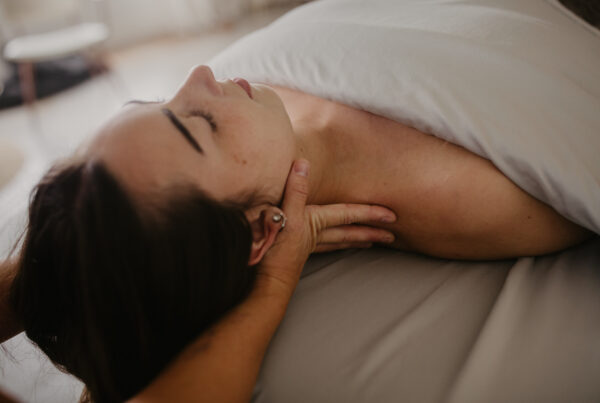
Massage supports it indirectly by helping the body shift into the state where the glymphatic system does its work. Techniques that release the jaw, neck, and upper back, along with a slow, calming massage, can help set those conditions.
Massage Techniques That May Support the Glymphatic System
Since the glymphatic system works best when the body reaches deep, restorative sleep, massage approaches that calm the nervous system and ease tension in the head, jaw, and neck can be most helpful. The goal isn’t to “push” fluid, but to help the body settle into the state where the brain can do its cleanup work.
Massage types that may support this include:
- TMJ Massage (including intraoral) to reduce jaw clenching and facial tension
- Neck and Upper Cervical Massage to ease tightness around major circulation pathways
- Scalp Massage to release tension at the surface level of the head
- Manual Lymphatic Drainage (MLD) is used when facial puffiness or fluid retention is present
- Relaxation / Swedish Massage to help shift the body toward deeper sleep
- Deep Tissue Massage when chronically tight neck and upper back muscles affect posture and breathing
Any massage that helps you relax and sleep more deeply can be supportive. The technique is most effective when it reduces stress patterns rather than forcing pressure. The best choice depends on your symptoms, sleep quality, jaw habits, and health conditions. We tailor our movements from session to session based on your unique health needs.
Five Things You Can Do Today to Support Your Glymphatic System
You don’t need a complicated protocol to help your brain do its nightly clean-up cycle. The glymphatic system depends on deep sleep, relaxed neck and jaw muscles, and steady circulation. Small daily habits can make a noticeable difference in how rested and clear you feel.
1. If you snore or wake up tired, get evaluated for OSA
Obstructive sleep apnea interrupts deep sleep, which is when the glymphatic system is most active. If your sleep is constantly being disrupted to restore breathing, the brain gets less time to clear out waste. Getting screened (even with a home sleep test) can be a huge step for long-term brain and body health.
2. Check your posture throughout the day
Long hours looking down at screens tighten the jaw, neck, and muscles at the base of the skull. That tension can make it harder to fall into a deep sleep later. This isn’t about “perfect posture.” It’s about taking breaks to gently reset the shoulders, jaw, and breath so your body can downshift at night.
3. Sleep on your side when possible
Research suggests side sleeping may support better glymphatic flow compared to sleeping on the back or stomach. It allows more comfortable neck positioning and steadier breathing patterns, which help the brain settle into deeper sleep cycles. Ideally, sleep on the left side.
4. Hydrate consistently, not just at night
The glymphatic system moves fluid through the brain. When the body is dehydrated, that fluid can become sluggish. Sip water throughout the day instead of “catching up” later, which can interrupt sleep.
5. Exercise & Keep Moving
Gentle movement supports circulation and breathing patterns that influence sleep quality. Walking, stretching, or any activity you enjoy can help the body shift into better rest later. This isn’t about intensity. It’s about consistency.
Eliminating stress is another way to support your glymphatic system, but that’s easier said than done. That’s why we suggest making massage a regular part of your wellness routine. It’s not always about just “feeling better.” It’s about supporting your body’s systems, reducing inflammation, releasing chronic tension, recovering from surgery, and focusing on whole body wellness.
The Glymphatic System Is Still Being Understood
Research on the glymphatic system is ongoing, and there’s still a lot we’re learning about how it influences sleep, memory, and long-term brain health. What we do know is that factors like stress, jaw tension, neck discomfort, and disrupted sleep can make it harder for this system to work the way it needs to.
If you’re noticing brain fog, headaches, trouble sleeping, or that “tired but wired” feeling, you’re not imagining it. Those are signs your body is asking for support.
At Via Medical Massage, we can help you build a massage plan that focuses on the areas we can directly influence, like jaw tension, neck mobility, and nervous system regulation. And when your care needs go beyond massage, we have an extensive referral network throughout Lincoln and Omaha, including chronic pain specialists, surgeons, physical therapists, and mental health professionals.
You are not expected to figure this out alone. We believe you when you say, “something isn’t right in my body/brain.” We’ll help connect the dots and guide you toward the right support for your body. Book an appointment now.