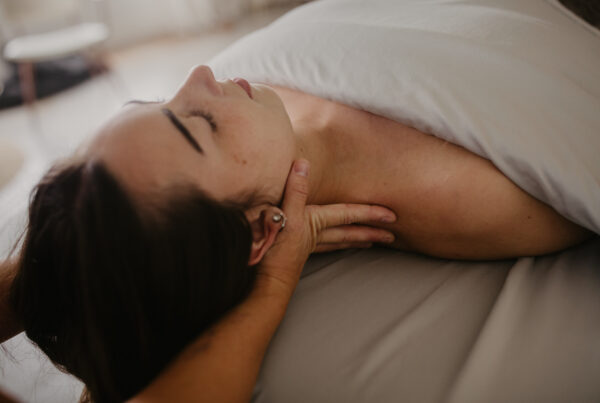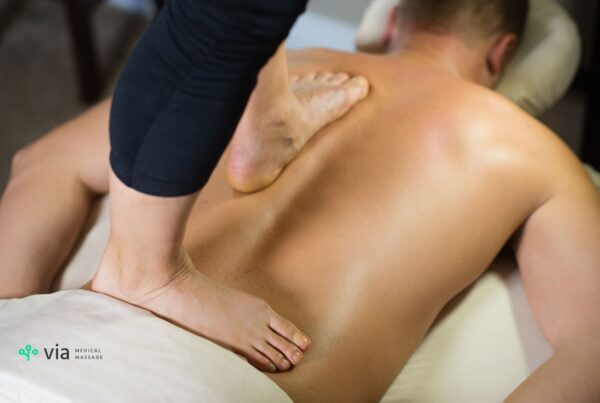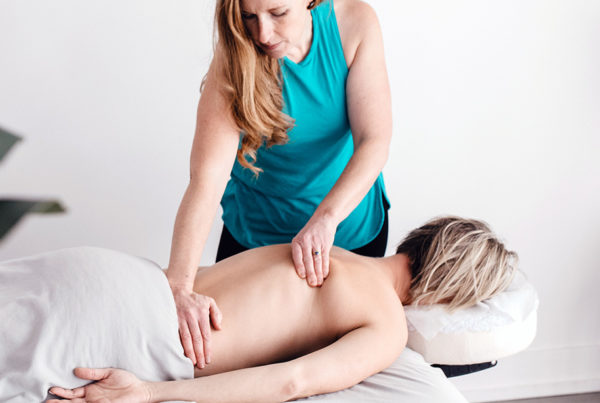


Most of us have been there. You’re getting a massage, and your therapist is working on a tight spot or a knot. Suddenly, it feels like there’s a tug of war going on beneath your skin. A muscle jumps, twitches, or seems to fight back.
And actually, that’s exactly what’s happening.
When a massage therapist finds an area of muscle tension, trigger points, or restrictions in the surrounding tissue, your body may respond with an involuntary muscle contraction. While it can feel surprising, muscle twitching during a massage is usually a normal response and often a sign that your body is reacting to the treatment.
What Causes Muscles to Twitch During a Massage?
Muscles don’t just tighten for no reason. Stress, repetitive movements, poor posture, injuries, exercise, dehydration, and even emotional tension can all contribute to muscles staying in a contracted state longer than they should.
When a therapist applies pressure to one of these tight areas, the nervous system takes notice. A muscle twitch is a bit like finally getting a stubborn jar lid to budge. There’s resistance, resistance, resistance, and then suddenly there’s movement. The twitch is often that first sign that the muscle is beginning to let go.
In many cases, the muscle will briefly contract before releasing. It’s referred to as a “local twitch response,” especially when working on trigger points. Think of it as the muscle’s way of saying, “Okay, I got the message.”
The twitch itself is not something you consciously control. It happens automatically as the muscle fibers and nervous system respond to the pressure being applied.
Is Muscle Twitching During Massage a Good Sign?
Usually, yes. While every person’s body responds differently, a twitch often indicates that the therapist has located an area of dysfunction or tension within the muscle. As the tissue begins to relax, that twitch response may occur before the muscle settles into a more comfortable state.
Many clients notice that the area feels looser, lighter, or less painful afterward. That doesn’t mean a massage has to cause twitching to be effective. Plenty of successful treatments happen without a single muscle jump. Some people twitch frequently, while others rarely do.
In fact, your therapist likely felt some resistance long before the muscle twitched, which is often what guides them to an area of tension, restriction, or dysfunction in the first place.
The goal isn’t to make muscles twitch. The goal is to help them function better.
Trigger Points and Muscle Knots
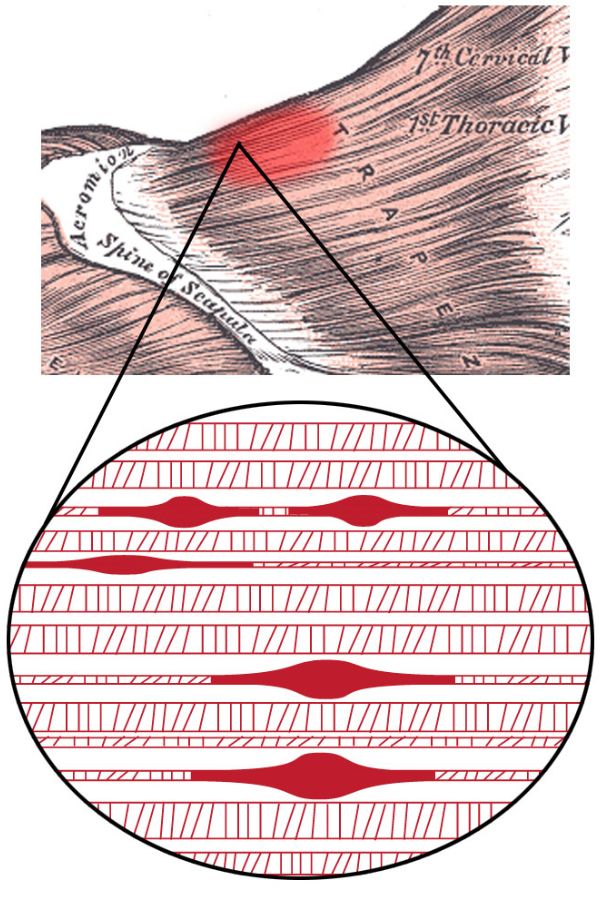
One of the most common reasons for twitching is the presence of trigger points.
A trigger point is a sensitive area within a muscle that can cause pain locally or even send pain into other parts of the body. For example, a trigger point in the shoulder may contribute to headaches, while one in the hip may create discomfort farther down the leg.
When direct pressure is applied to these areas, the muscle may twitch as part of the release process. This is particularly common in the neck, shoulders, upper back, hips, calves, and jaw muscles.
Should You Be Concerned When Muscles Twitch During Massage?
In most cases, no. Occasional twitching during a massage is considered a normal muscular response. Some clients even find it reassuring because it confirms the therapist has located a particularly tight area.
Because nerves control muscle movement, some twitching may be related to how the nervous system responds to pressure and stimulation during a massage. Most massage-related twitching is harmless and temporary, but ongoing twitching accompanied by pain, numbness, or weakness deserves medical attention.
However, it’s always important to communicate with your therapist. If the twitching becomes painful, feels unusually intense, or if you have an underlying neurological condition, let your therapist know. They can adjust their techniques and help determine whether additional medical evaluation may be appropriate.
Can You Reduce Muscle Twitching?
Sometimes. Staying hydrated, stretching regularly, maintaining good posture, and receiving massage therapy before tension becomes severe may reduce the likelihood of dramatic twitch responses.
Regular massage can also help address chronic tightness before muscles become locked into unhealthy patterns.
You can also take steps at home, such as working with a RAD Roller, to see how “twitchy” your trouble spots are. This is great information to share with your therapist.
Muscles Most Prone to Twitching
While almost any muscle can produce a twitch response during a massage, some areas seem to be repeat offenders. These are often muscles that work overtime, compensate for poor posture, hold stress, or develop trigger points more easily.
The neck and upper shoulders are among the most common. Many people spend hours looking at phones, computers, or steering wheels, leaving muscles like the upper trapezius and levator scapulae in a constant state of tension. This can lead to text neck and headache pain.
The jaw muscles can also be surprisingly reactive. Clients who clench their teeth, grind at night, or carry stress in their face may notice twitching when these muscles are treated.
Other common areas include:
- Upper back muscles between the shoulder blades
- Glute muscles, especially the gluteus medius
- Hip flexors
- Calves
- Forearms
- Muscles around the shoulder joint
Athletes and active individuals may also experience twitching in muscles that are recovering from heavy use or repetitive movements.
Interestingly, the muscles most likely to twitch are often the same muscles most likely to develop trigger points. That’s because they’re frequently asked to do more work than they were designed to handle, whether from poor posture, repetitive tasks, old injuries, or daily stress.
A twitch doesn’t necessarily mean the muscle is worse than others. It simply means the muscle and nervous system are responding to the pressure being applied. Sometimes the body’s most dramatic reactions come from areas that have been quietly asking for attention for a very long time.
Other Types of Twitch Responses
Massage isn’t the only time your muscles might seem to have a mind of their own. In fact, most people have experienced a muscle twitch at some point without giving it much thought. Your body uses reflexes and involuntary muscle contractions all day long.
One common example is the sudden jerk you might feel as you’re falling asleep. Known as a sleep start or hypnic jerk, it can feel like you’re tripping, falling, or missing a step just before you drift off.
You’ve probably also experienced the classic knee-jerk reflex at a doctor’s office. When a healthcare provider taps the tendon just below your kneecap with a reflex hammer, your lower leg kicks forward automatically. That’s your nervous system doing exactly what it’s supposed to do.
Other common examples include:
- An eyelid that twitches after a stressful week
- A calf muscle that jumps after a long workout
- Small muscle twitches caused by fatigue, caffeine, or dehydration
- Pulling your hand away from a hot surface before you’ve even had time to think about it
The important thing to remember is that not all twitches are created equal. A twitch during a massage is typically a response to pressure being applied to a tight or sensitive area. While it may feel surprising, it’s often just another example of the body’s remarkable ability to communicate through muscles and nerves.
Talking to Your Medical Massage Therapist During a Massage
If you feel a muscle twitch during your massage, don’t be embarrassed or worried that something is wrong. Honestly, we see it all the time.
Communication is one of the most important parts of a successful massage. You’re always welcome to ask what’s happening in a particular area or why a muscle is responding the way it is. Medical massage is a collaborative process, and we want you to understand what’s going on in your body.
We’re used to the occasional tug of war between tight muscles, trigger points, and the nervous system. Our goal isn’t to force a muscle to relax or push through pain. Instead, we’re working with your body’s natural responses to encourage recovery, improve function, and reduce discomfort without creating additional irritation.
Whether you’re dealing with chronic pain, recovering from an injury, or simply trying to move better, our team is here to help. You can schedule a medical massage at any of our Lincoln or Omaha locations and work with a therapist who will tailor treatment to your specific needs and goals.