

When people first hear the term “lymphatic drainage massage,” they often picture something clinical or overly complicated. I like to explain it in plain language. As the owner of Via Medical Massage, I’ve seen firsthand how much this technique can help people feel lighter, recover faster, and reduce swelling.
I want to clarify some of the myths about lymphatic drainage, as well as address the benefits of the practice. Whether you’re dealing with post-surgery inflammation, autoimmune issues, or general edema, there’s something everyone can learn about lymphatic drainage massage.
What Is the Lymphatic System?
To understand how lymphatic drainage massage works, you’ll need to understand the lymphatic system.
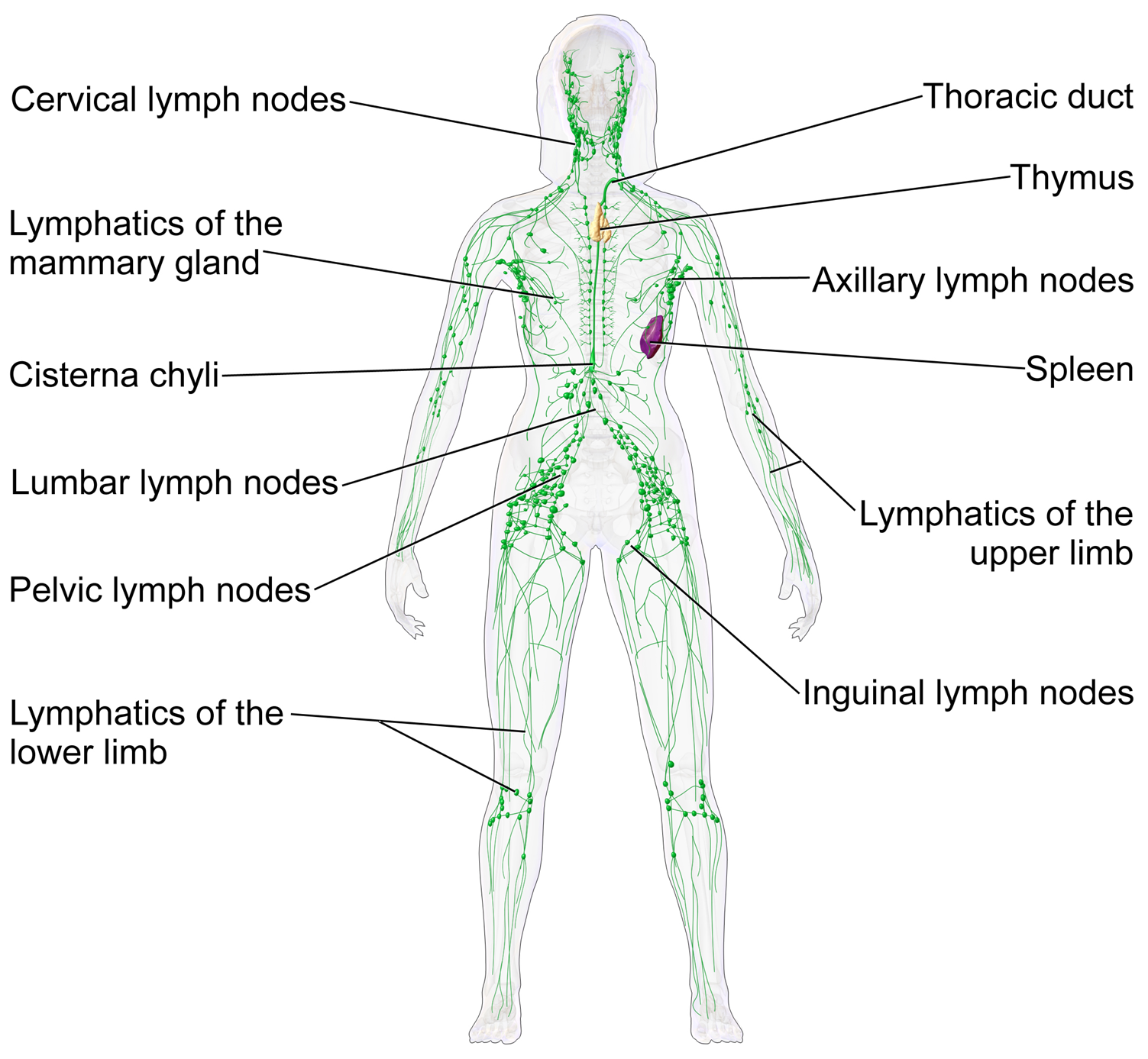
Think of it as your body’s cleanup crew. The lymphatic system collects excess fluid, cellular waste, and toxins from tissues, then moves them through a web of vessels toward filtering stations called lymph nodes.
Lymph nodes are small, bean‑shaped filters located in key areas such as:
- Neck
- Underarms
- Groin.
Unlike your heart, the lymphatic system has no pump. It relies on movement, breathing, and muscle contractions to keep that fluid circulating. When the flow slows down, you may notice swelling, puffiness, or a sense of heaviness in your body.
How Massage Helps with Lymphatic Drainage
Lymphatic drainage massage uses very light, rhythmic strokes that follow the natural direction of lymph flow. It isn’t about working deep into muscles or breaking up knots. Instead, the team at Via Medical Massage uses precise hand movements to stretch and release the skin. This stimulates the tiny lymph vessels just beneath the surface.
This gentle technique encourages those vessels to open and push fluid toward nearby lymph nodes, where waste and toxins are filtered out.
“The lymphatic system is just below the surface of the skin, so it does not take much pressure to be able to manipulate the movement of it. We essentially use no pressure to be able to stimulate and affect the lymphatic system. It’s very gentle,” Becky Impens, LMT, CLT, CNA, CCST, at Via Medical Massage said.
Beyond the physical benefits, the massage itself is deeply calming. The slow, repetitive movements activate the parasympathetic nervous system, which can lower stress levels and leave you feeling centered and refreshed long after you leave the table.

What to Expect After Lymphatic Drainage Massage
Clients often feel a surprising difference immediately after a session. Swelling in areas like the face, legs, or abdomen can go down noticeably. Many report feeling lighter, less puffy, and more comfortable in their skin.
Over the next 24 to 48 hours, you may notice an increase in urination or a slight boost in thirst. That’s a good sign! Your body is processing and clearing the extra fluid and waste that the massage set in motion. It’s important to drink plenty of water afterward to help your system flush out what’s been released.
Some people see visible changes right away, like reduced puffiness in their face or less swelling in their legs. Others feel gradual improvement over several sessions, especially if they’ve been dealing with long‑term fluid retention.
Light movement, such as walking or gentle stretching, can also keep lymph flowing. You shouldn’t feel sore like you might after a deep tissue massage, but a few clients report feeling a little more tired than usual as their body adjusts.
Are You a Candidate for Lymphatic Drainage Massage?
Some people book lymphatic drainage simply to unwind, while others need it to manage more serious medical concerns. Ideal candidates range from those seeking stress relief to patients recovering from surgery or living with chronic conditions.
- Those seeking stress relief – The gentle, repetitive strokes activate the nervous system and can leave you deeply relaxed.
- People with puffiness or water retention – It can help reduce bloating or that “puffy” feeling, even for cosmetic reasons.
- Individuals with a sluggish immune system – Stimulating lymph flow supports immune function and may help those prone to frequent infections.
- Patients with limited mobility – Being bedridden or inactive can slow lymph circulation, and this massage encourages movement of fluid.
- Individuals with chronic conditions – Those with lipedema, fibromyalgia, or venous insufficiency may experience less swelling and discomfort.
- Post‑surgery or post‑injury patients – Recovery often involves swelling and fluid retention, and lymphatic drainage can speed healing and reduce scar tissue risk.
- People with lymphedema – This is the primary medical group for whom the therapy is most often recommended, as it moves fluid away from affected areas and relieves pressure.
MORE: Lipedema vs Lymphedema | What’s the Difference?
While lymphatic drainage massage is great for many people, certain conditions like active infections, heart problems, blood clots, and kidney issues should get healthcare provider approval first.
Those who are post-surgery can work with their surgeon to get cleared for the benefits of lymphatic drainage massage. We work with many providers in the Lincoln and Omaha regions to streamline your care.
Ready to Book a Lymphatic Drainage Massage in Omaha or Lincoln?
Ready to feel lighter, less swollen, and more relaxed? Book your lymphatic drainage massage today at Via Medical Massage in Lincoln or Omaha. You can schedule the appointment online through our easy-to-navigate booking system. Via Medical Massage has two locations in Lincoln and one in West Omaha/Elkhorn.