

If you’ve just gone through surgery, you’re probably looking forward to the results and ready to be done with all the prep, recovery plans, and endless instructions. It’s tempting to look at lymphatic drainage massage as one more item on the list—book a single session, check it off, and move on. But that’s not how manual lymphatic drainage (MLD) works.
One massage can feel good, but it won’t do the heavy lifting your body needs while it’s healing. Here’s why consistency matters.
What Manual Lymphatic Drainage Is (and Isn’t)
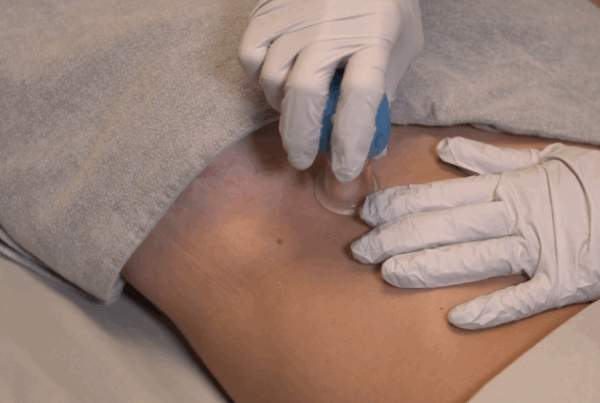
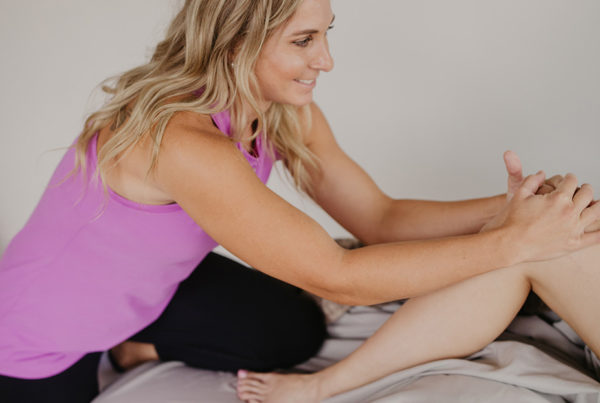
Manual lymphatic drainage (MLD) is a gentle, targeted massage technique that helps move excess fluid through the lymphatic system. After surgery, your body produces more lymphatic fluid than usual as part of the healing process. That fluid creates inflammation, swelling, stiffness, and that “puffy” or heavy feeling many people notice after procedures.
When we say it’s “gentle,” we mean it. You will experience no pain. We’ll position you comfortably no matter where your incision is or what your post-surgical discomfort level is.
Becky Impens, MLD specialist at Via Medical Massage in Lincoln, Nebraska, explains it like this: “If you just had surgery and you’re concerned about a massage being uncomfortable, that’s understandable. What you should know is that lymphatic drainage performed right after surgery has no pressure. It’s essentially a skin stretch and very soothing. Once we move that swelling out, it will also help ease post-surgical discomfort. Most people report less pain afterwards.”
MLD supports your body’s natural ability to move fluid, reduce discomfort, and encourage better mobility while you recover.
AMAZON STORE: Shop Our MLD | Lymphatic Drainage & Care for At-Home Tools
Why MLD Is Different From Other Massages
Not all massage styles are created for the same purpose. A deep tissue massage, for example, might release a stubborn knot in your shoulder. But if you don’t change the posture, movement patterns, or stress that caused the knot, it’s likely to come back—and you’ll find yourself right back on the table.
MLD works differently. It’s not about digging into muscles or loosening tension. There’s not that “hurts so good” aspect to it. It’s about guiding fluid through a delicate system that doesn’t respond well to heavy pressure. The technique is slow, intentional, and precise. One session can feel good, but like deep tissue work, it won’t “hold” unless you commit to a series. Consistency is what helps your body retrain, recover, and stabilize.
The Limits of a Single MLD Session After Surgery
Here’s the problem with the “just one” approach: swelling and fluid buildup don’t stop after a day or two. Your body keeps producing and moving lymphatic fluid for weeks after surgery. A single session might bring temporary relief—less pressure, easier movement, maybe even a visible difference in swelling—but those benefits fade as fluid collects again.
Think about it like cleaning up after a storm. You can scoop water out of your basement once, but if the leak is still active, it’ll just fill back up. One MLD treatment is helpful, but without consistency, you’re back where you started.
Why Post-Op MLD Frequency Makes a Difference
Healing happens in stages. The early days are all about controlling swelling. A few weeks later, your body is working on repairing tissue and creating scar tissue. Months down the road, it’s about regaining normal function and comfort. MLD can support each of those phases, but only if it’s done regularly enough to match the pace of your body.
For example:
- Early sessions help reduce swelling and discomfort, so you’re not as stiff or sore.
- Mid-stage sessions can keep fluid from hardening into more stubborn swelling and help soften tissue as scars form.
- Later sessions support long-term comfort, improve mobility, and help you feel more like yourself again.
One massage can’t carry you through all of that. A series of treatments, timed to your healing process, gives your body the consistency it needs to stay on track.
Think of It Like Training, Not Treating
It’s easy to imagine MLD as a treatment you “get done” once and then forget about. But it’s more like physical therapy or exercise. One trip to the gym doesn’t make you stronger, and one stretch doesn’t make you more flexible. Progress comes from repetition and consistency.
The same goes for lymphatic massage. Each session builds on the last. The work your therapist does early on helps set the stage for the next phase, and so on. By keeping up with a series, you’re not just chasing temporary relief—you’re supporting a healthier, more comfortable recovery over time.
Realistic Expectations of Manual Lymphatic Drainage After Surgery
No therapist should promise that MLD will erase scars, guarantee faster healing, or deliver a perfect result. What you can expect is this: regular MLD sessions give your body better conditions to do what it’s already trying to do.
They can help manage swelling, reduce the feeling of heaviness, and make it easier to move through daily life while your body puts itself back together.
The difference between one session and a planned series is like the difference between a quick fix and a real recovery strategy. One feels good in the moment. The other supports you for the long haul.
Planning Your Post-Op Recovery Massage Routine
Every surgery is different, and every body heals at its own pace. That’s why there isn’t a one-size-fits-all plan for how many MLD sessions you’ll need. Some people benefit from several appointments in the first couple of weeks, while others space them out as swelling decreases and mobility improves.
Plus, at Via Medical Massage, we work with your healthcare team to get the right massage techniques at the right time in your recovery. We also work with dieticians to help you support a low-inflammation diet. We also work with you to ensure your compression garments fit right and support lymphatic flow.
Becky explains, “If your compression garment is loose in some areas and the swelling is pooling in that area, we are going to use a splash sheet of foam and cut it specifically for that area. This added gentle compression will stop swelling from pooling in that area.”
The key is not to stop at “just one.” Having a plan—and adjusting it as your healing progresses—will give you the most benefit. A consultation with a trained therapist can help map out what makes sense for your specific procedure and goals.
Post-Op Massage Packages at Via Medical Massage in Lincoln and Omaha
One MLD massage is better than none, but it’s not enough to carry you through recovery. Your body needs consistent support while it’s dealing with fluid buildup, scar tissue, and all the other normal processes of healing. Think of it as giving yourself the best conditions for comfort, mobility, and long-term results.
Because of the importance of post-surgical MLD treatments, Via Medical Massage now offers packages to buy as part of your recovery budget. Standalone post-cosmetic sessions are $185 per 60-minute appointment.
Each package is crafted to give you hands-on care, education for at-home recovery, and thoughtful extras that make healing easier and more comfortable. We have two convenient locations in Lincoln and a West Omaha (Elkhorn) location.