

If you’re planning a cosmetic procedure, you should know the benefits of post-surgery compression garments. They’re not just a recovery accessory; they’re a science-backed tool that can make your healing smoother, your pain lower, and your results more refined.
Compression garments help your body do what it’s already trying to do: reduce swelling, support tissues, and improve circulation. By giving your lymphatic system a little boost and holding everything in place as you heal, they don’t just make you feel better — they help your results look better too.
Let’s look at why compression is one of the most important parts of post-surgical recovery and how to choose a garment that works with your body, not against it. Plus, we’ll discuss how the team at Via Medical Massage in Lincoln and Omaha can help you with post-surgical massage and compression fittings.
5 Ways Compression Garments Help You Heal
After a cosmetic procedure like a tummy tuck or mommy makeover, you might not think the word “compression” is going to be comfy. However, there’s science and art to making the garments easy to wear while maximizing benefits and reducing pain.
Reduces Swelling
Compression works by applying gentle, even pressure to the tissues around your surgical site. This pressure helps your body keep fluid inside your blood vessels. At the same time, it encourages any extra fluid to get reabsorbed instead of hanging around and causing puffiness. In simple terms, compression helps your body move swelling out instead of letting it move into the interstitial space. Simply put, it contains swelling and prevents additional swelling.
MORE: How the Lymphatic System Works
Supports Healing Tissues
Compression garments act like a supportive framework for your healing body. They hold surgical areas in place so incisions, fat, and skin can settle correctly as you recover. This structural support reduces tension on stitches, keeps tissue from shifting, and helps your results stay symmetrical and smooth.
Improves Circulation
Good compression boosts blood and lymphatic flow, which brings more oxygen and nutrients to the areas that need them most. That steady circulation helps your body repair faster, clear out waste products, and lower the risk of complications like delayed healing or fluid buildup.
Shapes your results
After surgery, your skin needs time to settle into its new shape. Compression gives it a gentle nudge in the right direction, helping it lie flat and smooth instead of bunching or rippling. Think of it like guiding a sheet onto a freshly made bed — it’s not about squeezing you in, it’s about helping everything fit the way it’s supposed to.
Reduces Pain
The idea of compression (pressure) on a surgical site might sound painful, but studies show that compression actually helps reduce pain.
For example, a 2014 compression study after tummy tucks shows that pain was significantly reduced by post-op day 5 compared to those who didn’t use compression. A 2023 study for breast cancer surgery patients showed that three weeks post-op, the pain was lowered for those who used compression garments vs. a soft bra.
MORE: Incisional Drainage vs. Lymphatic Drainage: What Every Post-Op Patient Should Know
Compression garments help keep healing tissues stable, which reduces tension on incisions and lowers the chance of stitches pulling or reopening. By holding everything in place, pain is better managed, and painful side effect risks can be lowered.
When you put all of this together, compression garments post-surgery help create a safer healing environment so your body can focus on recovery.
How to Know if the Garment Fits Correctly
Getting the benefits of compression means you need to have the garment sized and fitted properly.
Our post-surgical medical massage clients get personalized attention to their compression garments throughout the healing process, but here’s an overview to help everyone understand.
- Snug, not suffocating: You should feel firm support, but still be able to take deep, comfortable breaths.
- No bulging or digging: If your skin folds, you see deep lines, or your hands and feet swell, it’s too tight.
- Stays in place: A quality garment won’t roll down, shift, or bunch up when you move.
- Even pressure: The compression should feel uniform, not tighter in one area and loose in another.
Key Factors of a Quality Compression Garment
Not all compression garments are made the same. If you’re investing in your recovery, don’t cut corners here.
How to Find Compression Garments
Look for these signs of a medical-grade, comfortable, and effective garment:
- Medical-grade fabric: It should be breathable, durable, and moisture-wicking since you’ll wear it daily.
- Adjustability: Features like hook-and-eye closures, zippers, or velcro straps help you stay comfortable as swelling decreases.
- Targeted design: Choose one made for your specific surgery, whether it’s liposuction, a tummy tuck, BBL, or breast augmentation.
- Comfort: Flat seams, soft materials, and irritation-free edges make a big difference when you’re wearing it 24/7.
- Seams on the outside: This prevents indentations or markings on your healing skin.
- Full coverage: The garment should extend above and below your surgical site. If it doesn’t, swelling can “spill” or pool at the edges.
Don’t get ahead of yourself and buy compression garments without getting a recommendation from your surgeon or healthcare provider. At Via Medical Massage, we work with your healthcare team to get the right garment for our recovery as well as maximize post-surgery massage benefits.
Why “Tighter” Doesn’t Mean “Snatched”
Long gone are the days of corset compression that feels uncomfortable. Even when tight feels like control, post-comestic surgery compression means that tighter doesn’t equal better.
As much as compression garments after surgery support healing and contouring, your results come from your surgeon’s skill and your body’s natural healing.
Tighter compression than recommended won’t mold your body into something new. It’s like placing a puzzle piece in the right spot — the shape is already made, compression just helps it settle where it belongs.
When it comes to compression garments, fit is everything. The right size gives you steady, even support so your skin can heal flat and smooth. A properly fitted garment moves with you, keeps pressure consistent, and helps your results look as good as they feel.
Why Not Too Tight or Too Loose
Even when you have the perfectly sized compression garment after surgery, there’s still the matter of finding that perfect fit. Having compression that is too tight or too loose comes with different challenges.
Becky Impens, a medical massage post-surgery specialist at Via Medical Massage, explains, “It’s very important to have the correct compression garment. If the compression garment is too tight, it’s going to restrict the lymphatic vessels so they can’t pump out fluid. If the compression garment is too loose, you’re allowing too much room for the swelling to increase.”
How can you tell if a compression garment is too tight or too loose?
- Too tight: You might experience numbness, tingling, swelling, or skin damage. Overly tight garments can compromise circulation and lymphatic flow.
- Too loose: On the flip side, a loose garment won’t control swelling, support healing, or help your skin retract smoothly. It can also allow fluid to build up, creating lumps or irregularities.
Your body changes a lot in those first few weeks after surgery. Swelling goes down, fluid drains, and tissues start settling. That means a garment that fits perfectly at week one might feel loose or uneven by week three. As your shape changes, your compression should, too.
FAQs: Compression Garments After Surgery
How long do you wear compression garments after surgery?
Most patients wear compression for 4 to 6 weeks, though it depends on your procedure and how your body heals. In the early weeks, you’ll likely wear it 24/7 (except for short breaks to shower or wash the garment). Your surgeon or post-surgical therapist will guide you on when you can transition to part-time wear as swelling subsides.
During recovery, can you ever remove compression garments for a few hours?
Yes, brief breaks are okay, but only once your provider clears you. Just remember, consistent compression is what helps swelling go down and tissues settle properly. Taking it off for too long can cause fluid to reaccumulate, which may make you feel puffy or sore.
Will I sleep in compression garments after surgery?
In most cases, yes. You’ll wear your garment while you sleep, especially in the first few weeks when swelling is most active. Keeping it on helps your body maintain steady pressure and prevents fluid from shifting overnight.
How long does it take compression garments to work?
Post-surgical compression works differently from everyday compression socks or leggings you’d wear for varicose veins or travel. You’re not just improving circulation. You’re guiding how your body heals. Most people notice less swelling and more comfort within a few days, but the real benefits build over time. Consistent wear helps your skin settle smoothly into place, swelling subside, and your new shape take form gradually throughout your recovery.
How often should I wash compression garments during healing?
Daily, if possible. Clean garments prevent bacteria buildup and protect healing skin from irritation. Since you’ll wear them nearly nonstop, it’s smart to have two garments so you can rotate one to wear, one to wash.
How Via Medical Massage Helps Post-Surgery Healing
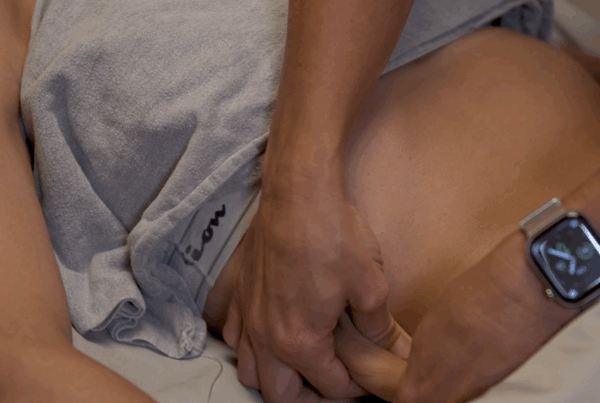
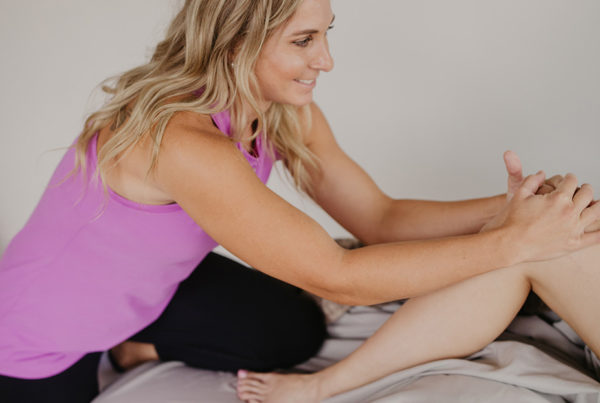
When you book a post-surgery medical massage package, you’ll get customized focus on removing and putting on the compression garments during your surgery.
“If your compression garment is loose in some areas and the swelling is pooling in that area, we are going to foam you up. What that means is we use a splash sheet of foam cut specifically for that area. We place it there for added compression so the swelling doesn’t continue to pool in that area.” Impens adds.
Post-surgery medical massage helps with scar tissue and lymphatic drainage, two key elements to proper healing. If you’d like to talk to one of our specialists at Via Medical Massage in Lincoln or Omaha (Elkhorn), contact us today. You can also go online and book a massage session at your convenience.