
At first glance, lymphedema and lipedema might look like the same problem. Swollen legs. Tight skin. General discomfort. They’re not the same, though, and knowing the difference matters a lot when it comes to treatment like massage therapy.
At Via Medical Massage, we hear questions about this all the time, so here’s the plain‑English breakdown.
First, a Quick Look at Your Lymphatic System
Lymph comes from the Latin word for clear water, which makes sense since lymph is a clear fluid that runs through your lymphatic system. Think of it as your body’s personal cleanup crew. It collects waste, extra fluid, and toxins, filters them through lymph nodes, and moves them into your bloodstream, where your kidneys and liver handle the rest.
Your lymphatic system depends on movement and manual stimulation to keep things flowing. When it gets blocked or sluggish, fluid backs up, swelling starts, and your body feels heavy or tight.
What Is Lymphedema?
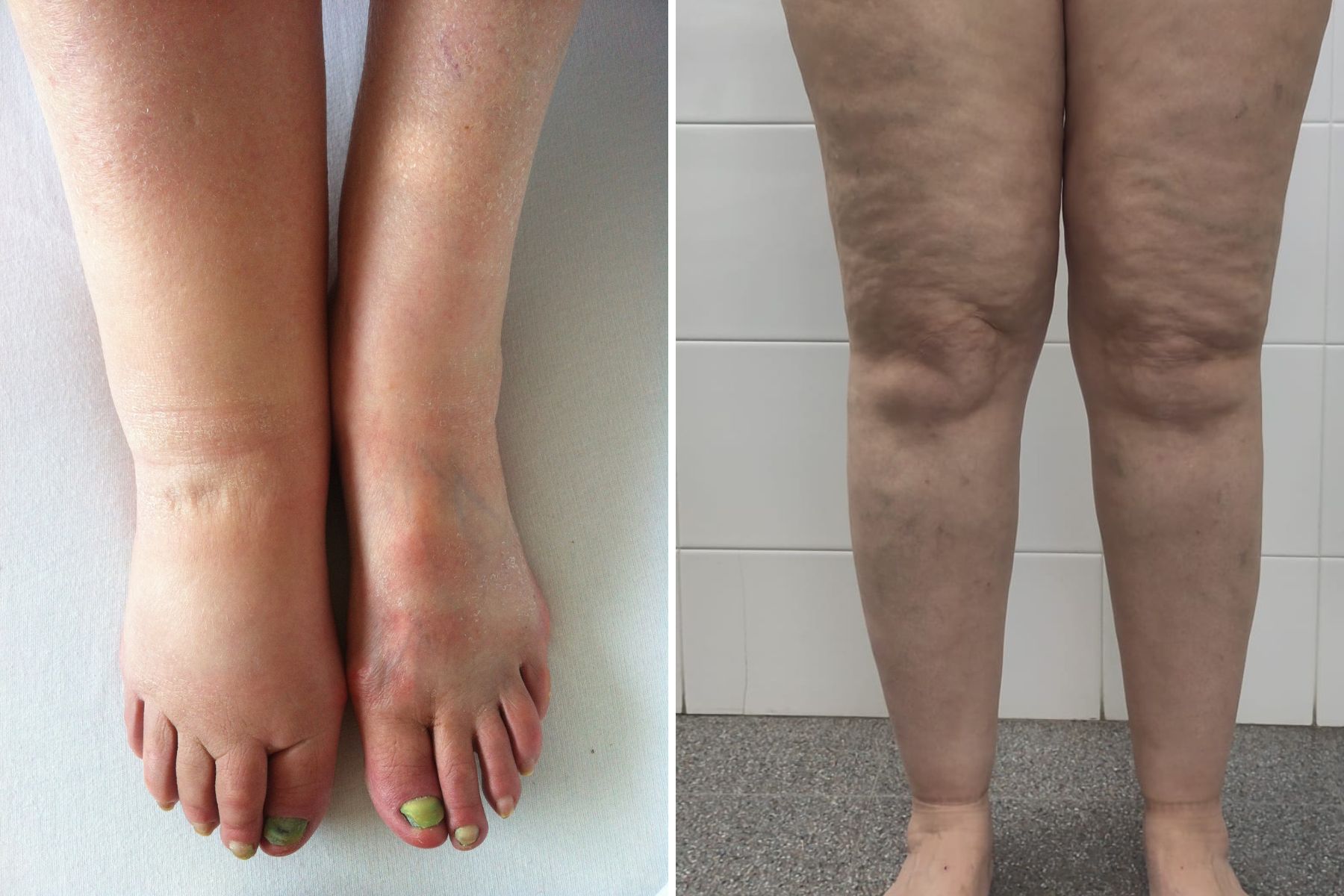
The word lymphedema literally means “lymph swelling.” Lymphedema is what happens when your lymphatic system isn’t draining properly. That fluid has nowhere to go, so it builds up, usually in the arms or legs.
You might notice swelling that’s worse at the end of the day, skin that feels tight or heavy, or even dimpling that doesn’t bounce back right away when pressed.
- Primary lymphedema is caused by a genetic or developmental issue where the lymphatic system didn’t form properly.
- Secondary lymphedema happens when the lymphatic system is damaged by surgery, cancer treatment, infection, or trauma.
About one in 100,000 people is impacted by lymphedema.
How Massage Helps Lymphedema
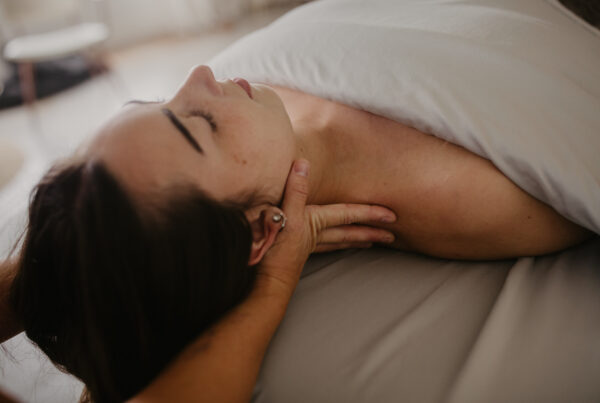
Massage can be a helpful part of managing lymphedema, especially when it comes to reducing swelling and improving comfort. One of the most common techniques is Manual Lymphatic Drainage (MLD)—a gentle, rhythmic massage that encourages lymph fluid to move through the body more efficiently.
Here’s how massage helps:
- Reduces swelling by moving trapped fluid out of the affected area
- Improves circulation, helping the body filter and remove waste
- Eases discomfort like heaviness, tightness, or aching in limbs
- Prevents complications like infections or skin thickening when done consistently
- Supports emotional well-being, especially when living with a chronic condition
It’s important to work with a certified lymphedema therapist or someone trained in MLD. Done incorrectly, massage can worsen symptoms or cause damage. And while it won’t “cure” lymphedema, it can help keep it from getting worse and make daily life more manageable.
A lot of our clients with upper extremity lymphedema from breast cancer or radiation see us regularly, often monthly, for maintenance care. We also act as a second set of eyes, watching for changes in swelling or garment fit and encouraging follow-ups with their lymphedema PT if adjustments are needed.
Lymphedema is a lifelong condition, but with the right support, including ongoing PT visits, monthly MLD, regular movement, and good skin health, it can be effectively managed.
What Is Lipedema?
Lipedema is a fat disorder, not a fluid problem. The word means “fat swelling.” It mostly affects women and usually shows up in the hips, butt, and legs. Unlike general weight gain, lipedema fat is resistant to diet and exercise.
The legs may feel sore, tender, or bruise easily, and the swelling is symmetrical. You’ll often see a sharp cutoff at the ankles or wrists where the swelling stops. Lipedema is not caused by overeating or inactivity, but it can worsen with obesity.
Lipedema is broken into five categories.
- Type I: Fat mostly settles between your belly button and hips.
- Type II: Fat collects between the pelvis and knees.
- Type III: Fat runs from the pelvis all the way down to the ankles.
- Type IV: Fat shows up from the shoulders down to the wrists.
- Type V: Fat appears mainly between the knees and ankles.
About one in 72,000 people (mostly women) are believed to deal with lipedema, generally around hormonal shift periods, like puberty, pregnancy, or menopause. However, since the appearance and side effects can mimic obesity or lymphedema, that number could be as high as 11% of women.
Plus, untreated lipedema can lead to secondary lymphedema. You can find additional resources and research at the Lipedema Foundation website.
How Massage Helps Lipedema
Massage can’t reverse lipedema, but it can make a real difference in how you feel day to day. The right techniques can help manage swelling, reduce discomfort, and support better mobility, especially when combined with other treatments like compression or movement.
One of the biggest benefits of MLD for lipedema is its analgesic effect. The gentle, rhythmic nature of the technique not only supports lymphatic flow but also provides noticeable pain relief.
Here’s how massage can help:
- Eases pain and tenderness in affected areas
- Improves lymph flow if swelling or lipo-lymphedema is present
- Relieves tightness in connective tissue and fascia
- Reduces that “heavy leg” feeling that many people with lipedema experience
- Promotes relaxation and better body awareness
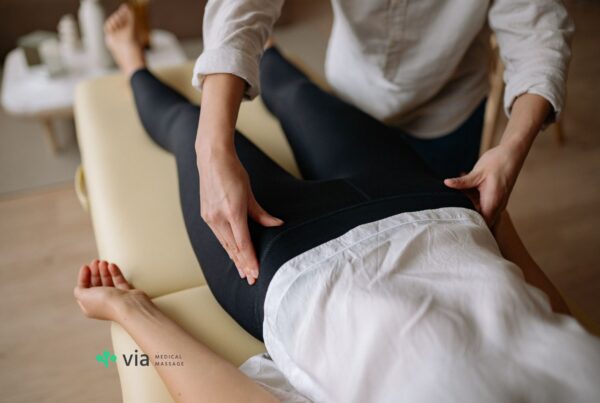
Manual lymphatic drainage is often used for its light, sweeping motions that move fluid without triggering pain or bruising. Myofascial release and gentle techniques may also help loosen stiff tissues. Always work with someone who understands lipedema, like the team at Via Med Massage.
Many individuals with lipedema also undergo a series of liposuction procedures to reduce fatty tissue. After these surgeries, they often experience post‑operative swelling, and MLD becomes especially helpful during their recovery process.
What Lymphatic Massage Can Do
Whether you’re dealing with lymphedema, lipedema, or just feel like your body holds onto water more than it should, lymphatic massage can help move things along literally.
At Via Medical Massage, we offer Manual Lymphatic Drainage (MLD): a gentle, targeted massage technique that encourages lymph flow and helps the body naturally flush out toxins and waste. It’s not your average “relax and zone out” massage. This one’s therapeutic. Intentional. And it can make a noticeable difference in how your body feels and functions.
Many of our clients dealing with swelling, tightness, post-surgical recovery, or general inflammation say it’s one of the most effective tools in their wellness toolkit.
Whether we’re supporting someone with lipedema or lymphedema, we always collaborate with their care team—including their lymphedema PT, cancer or plastic surgeon, and other specialists—to make sure care is coordinated and effective.
Is Lymphatic Drainage Massage Right for You?
For lymphedema, lymphatic drainage massage focuses on moving excess lymph fluid out of affected areas. Lymphatic drainage massage helps manage pain, tenderness, and secondary swelling caused by lipedema. So, no matter which issue you’re facing, the unique techniques can help.
If you’ve been told “it’s just weight” or “that’s normal swelling,” and it doesn’t feel right, trust your gut. Lymphedema and lipedema deserve proper care and attention, and we’re here to help you sort it out.
Want to see if lymphatic massage is a fit for you? Schedule a session or send us a message. We’re always happy to answer questions, no pressure.
Will Massage Prevent Lipedema or Lymphedema from Getting Worse?
Massage, especially manual lymphatic drainage (MLD), is a valuable tool for managing symptoms of both lipedema and lymphedema, but it is not a cure or a stand-alone fix. While regular, gentle massage can help reduce swelling, discomfort, and improve mobility, it does not address the underlying causes of these conditions. Claims that a few massage sessions can “fix” lipedema or lymphedema are misleading.
Both conditions are chronic and progressive, requiring a comprehensive, long-term management plan. Effective strategies often include:
- Consistent massage therapy (by a trained specialist)
- Compression garments to maintain results and support lymphatic flow
- Exercise tailored to your abilities
- Good skin care to prevent infections
- Medical oversight for ongoing assessment and adjustment
At Via Medical Massage, we have direct partnerships with PTs and OTs in Lincoln, Omaha, and Wahoo who are Certified Lymphedema Therapists (CLT). If one of our trained massage therapists suspects you have lymphedema or lipedema, we can put you in touch with providers statewide.
Massage can help slow the progression of symptoms and improve quality of life, but it should always be part of a broader maintenance plan, not seen as a quick solution.
Get Started Treating Lipedema or Lymphedema Today
Via Medical Massage offers two locations in Lincoln and one in Omaha (Elkhorn). Whether your primary doctor or physical therapist refers you to us, or we can help you find a provider that fits your goals, we’re here to help. You can book a massage anytime with one of our therapists who specializes in lymphatic draining techniques.
Book Libbie Appleby-Leo, LMT, MLD-C 📍Omaha (Elkhorn)
Book Diane Gould, LMT, PTA, MLD-C 📍Omaha (Elkhorn) & Lincoln
Book Leah Hamilton, LMT, CLT, RN 📍Omaha (Elkhorn)
Book Alana Hill, LMT 📍Lincoln
Book Becky Impens, LMT, CLT, CNA, CCST 📍Lincoln
Book Courtney Johnson, LMT 📍Lincoln
Book Hallie Marie Tibbs, LMT, LDT, CST 📍Lincoln