

You’ve probably experienced it before. Your lower back hurts, so you book a massage for your back. Or your shoulders are constantly tight, so you ask your therapist to focus on your upper body.
Then, somewhere during the session, your therapist starts working on your hips. You might even wonder if they’ve wandered off course.
In reality, they may be working on the source of the problem.
The muscles surrounding the hips influence how we stand, walk, sit, bend, lift, and rotate. When these muscles become tight, weak, or restricted, the effects can travel far beyond the hips themselves. Back pain, shoulder tension, knee discomfort, and even recurring aches that seem to return after every massage can sometimes be traced back to the body’s central foundation.
The hips don’t just support movement. They help steer the entire body. Let’s look at the muscle groups around the hips and see how much they control what happens from head to toe.
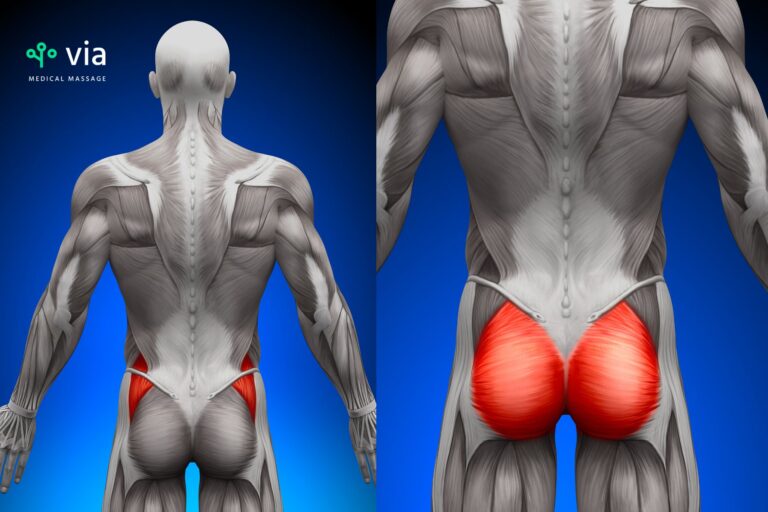
The Gluteal Group: More Than Just Your Butt Muscles
The gluteal group includes the gluteus maximus, gluteus medius, and gluteus minimus.
Most people think of these muscles as the muscles that give shape to the backside. In reality, they’re some of the most important stabilizers in the body.
When the glutes aren’t functioning properly, other muscles often step in to compensate. The lower back may tighten. The hip flexors may become overworked. Even the knees and ankles can be affected.
One of the biggest culprits is prolonged sitting. Hours spent at desks, in vehicles, or on couches can leave the glutes underactive while surrounding muscles become tight and overworked.
Massage therapists frequently find trigger points and tension patterns in the gluteal muscles that contribute to pain elsewhere in the body.
The Adductor Group: The Forgotten Inner Thigh Muscles
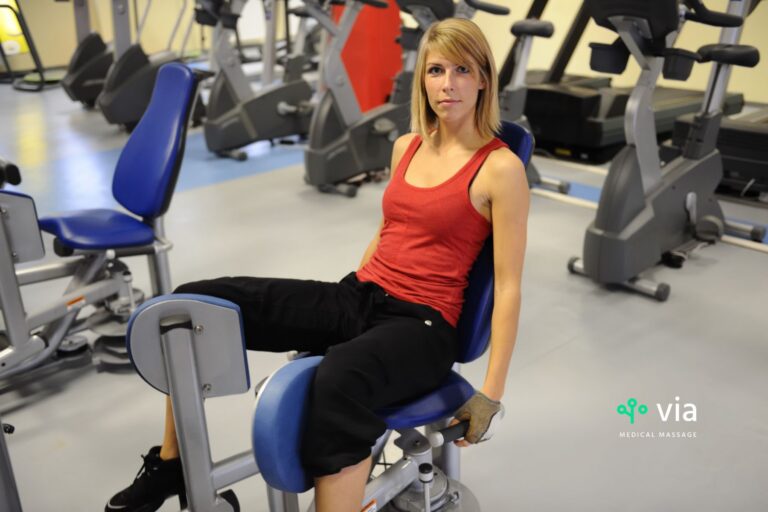
The adductors run along the inside of the thigh and are responsible for pulling the legs toward the body’s midline.
These muscles don’t get much attention until they become a problem.
Tight adductors can limit hip mobility, alter walking patterns, and create extra strain on the pelvis and lower back. Because they connect to the pelvic region, restrictions here can contribute to a feeling of stiffness throughout the hips.
Many people stretch their hamstrings and quadriceps regularly, but rarely address the adductors.
When these muscles become restricted, the body often compensates elsewhere, creating movement patterns that can eventually show up as pain in seemingly unrelated areas
The Iliopsoas Group: The Deep Hip Flexors
If there’s one hip muscle group that gets blamed for a lot of problems, it’s the iliopsoas.
The iliopsoas is made up primarily of the psoas major and iliacus muscles. These deep muscles connect the lower spine and pelvis to the upper thigh. They’re also notoriously difficult to stretch and challenging for many people to locate.
Because the psoas attaches directly to the lumbar spine, tension here can contribute to lower back discomfort, limited hip mobility, and a feeling of being constantly pulled forward.
Long periods of sitting are again a major factor. The body spends hours with the hip flexors in a shortened position, which can create chronic tightness over time.
Many clients are surprised to learn that some of their “back pain” may actually have roots in muscles located deep within the front of the hips.

The Lateral Rotator Group: Small Muscles With a Big Job
Buried beneath the larger glute muscles is a collection of smaller muscles known as the lateral rotators.
This group includes muscles such as the piriformis, obturator internus, obturator externus, gemellus superior, gemellus inferior, and quadratus femoris.
While they may not get the same attention as the glutes, these muscles play a critical role in hip stability and rotation.
When they become tight or irritated, they can contribute to hip pain, altered movement patterns, and in some cases, symptoms that resemble sciatica. Because these muscles sit deep within the hip, many people don’t even realize they’re there until a therapist begins working on them.
They may be small, but they have a major influence on how the hips function during everyday movement
Why Does the Pain Keep Coming Back?
This is one of the most common questions massage therapists hear. A client gets relief after a massage. They feel great for several days. Then the pain slowly returns. Sometimes the answer isn’t that the massage didn’t work. Instead, the body may be pulling on the same chain of tension from a different location.
Think of the body as a suspension bridge. If one cable becomes tight, stress travels throughout the entire structure. Treating the area that hurts can help, but lasting improvement often comes from identifying where the tension is originating.
That’s why therapists frequently work on hips, glutes, and surrounding muscles even when the primary complaint is located elsewhere.
MORE: If you’d like help stretching the hip muscles at home, read our guide on how to loosen the hips and release tension throughout the body.
Tools to Help Stretch the Hips at Home
You don’t have to wait until your hips are stiff, achy, or limiting your movement before giving them some attention. In fact, keeping the muscles and joints around your hips mobile and healthy may help reduce discomfort, improve flexibility, and support better movement throughout your day.
We’ve rounded up some of our favorite tools you can buy to use at home.
PSO-RITE Psoas Release Tool
The PSO-RITE is just about the gold standard for treating those hidden and tight psoas and illacus muscles. It looks innocent enough, but once you get in the position to have it release your muscles, you’ll definitely feel it. While it’s designed for the psoas, it can help every tight, thick muscle group.
To get used to it, brace yourself on top of a giant couch pillow or while lying on a mattress. Using the PSO-RITE for the first time on a hard floor might be a little intense if your muscles are tight.
Hip Hook
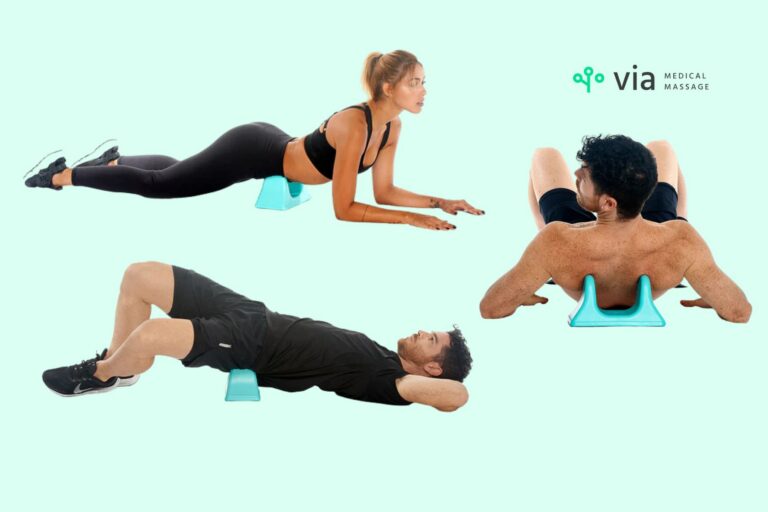
A hip hook works the same way a psoas tool does, using your body weight to apply targeted pressure to tight muscles. However, this design focuses on one side at a time. That allows for more precise pressure on the psoas and surrounding hip muscles, making it easier to target specific areas of tightness or address imbalances between the left and right sides. Many users find the more focused approach helpful when one hip feels significantly tighter than the other.

Glute & Hip Massager
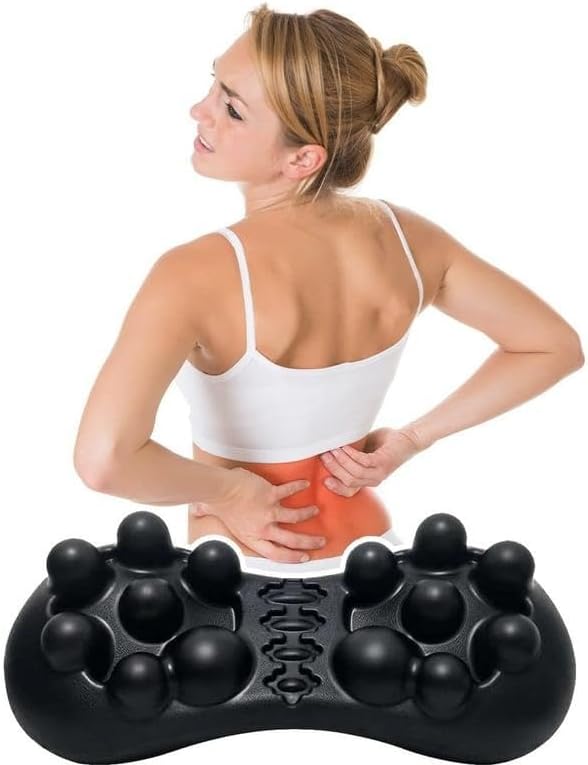
We like this glute and hip massager tool because it’s not quite as intense as a hip hook or psoas release tool, but it still offers ample progress. Those little nodes work deep into tight muscle and fascia, helping release built-up tension from sitting all day, lack of mobility, or overuse. Your body weight controls the pressure.
Hip Release Ball
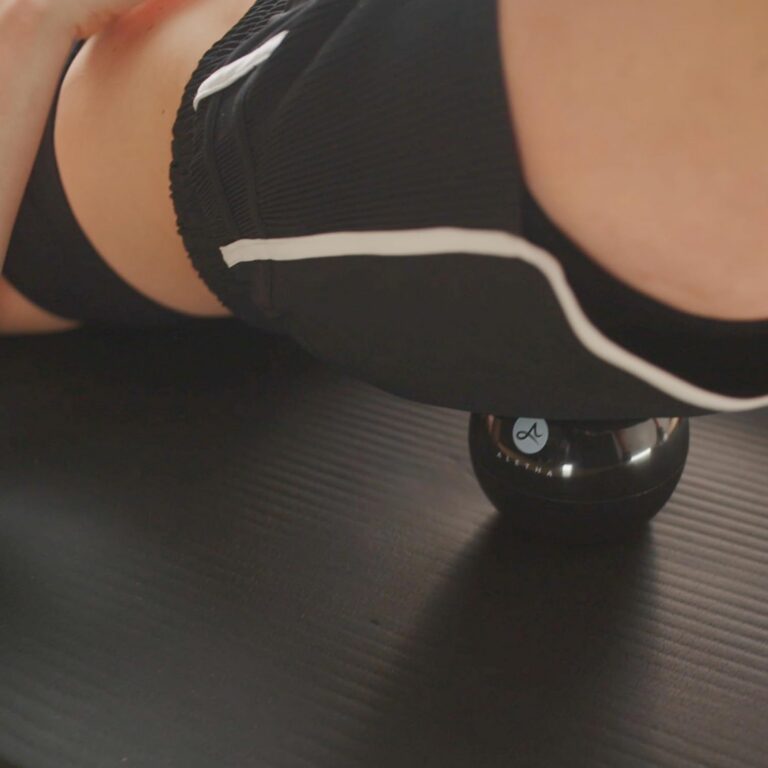
Designed by the same company as the original Hip Hook, the hip flexor release ball is about the size of a softball and releases stubborn muscle groups. It also works behind the knee, on the trigger points in the back, and on any tight muscle you can comfortably apply pressure to during at-home self-care. This lightweight version makes it great for on-the-go.
Of course, we always want to help you save money when buying wellness products. That’s why we want to mention that you can get similar relief in weighted balls that double as toning tools and physical therapy options.
Give Your Therapist Time to Follow the Trail
A 60-minute massage can be incredibly effective, especially for maintenance and targeted pain relief. However, when tension patterns involve multiple connected muscle groups, a 90-minute massage often provides the extra time needed to address the bigger picture.
Instead of focusing solely on the area that hurts, your therapist can spend more time following the chain of tension through the hips, lower back, legs, and surrounding structures. This more comprehensive approach often leads to longer-lasting results and a better understanding of what’s contributing to your discomfort in the first place.
At Via Medical Massage, our therapists look beyond the symptom and focus on the movement patterns, muscle groups, and restrictions that may be driving your pain. Whether you’re dealing with recurring back pain, stubborn shoulder tension, hip discomfort, or movement limitations, we’re here to help uncover the connections and create a treatment plan tailored to your body.
Appointments are available at our Lincoln and Omaha locations.
This article contains affiliate links. As an Amazon affiliate, we might earn a commission on products you purchase at no extra cost to you. We only recommend products we would use and have seen show benefits to others.