

Booking a massage, especially if it’s your first time or you’re coming in for post-surgical or medical work, can come with a lot of questions. What do I wear during a massage? Do I have to shower beforehand? Will it hurt? Should I tip? These questions can cause stress when it’s the last thing you need. That’s why we put together this massage guide.
At Via Medical Massage, we want you to feel informed, respected, and totally at ease. That starts before you even walk through the door. This guide covers everything we wish every client knew—from clothing and comfort levels to communication, boundaries, and what to expect during and after your session.
You deserve to feel confident and cared for, and this is your space to get real answers without judgment. While you can also message us or call with questions, here are the most frequently asked topics we want to address.
What Do I Wear During a Medical Massage?
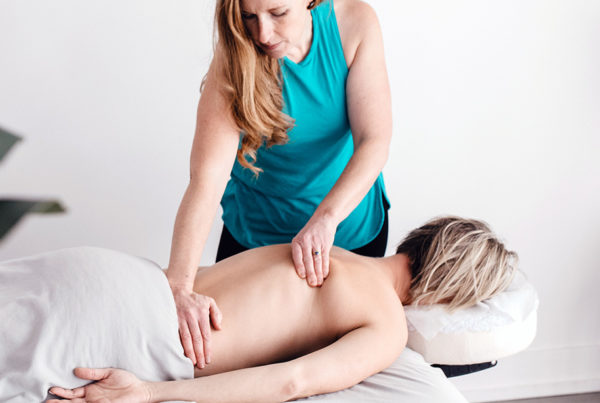
You’re in control of how much clothing you remove. Some clients choose to be fully undressed under the sheet, which is perfectly fine too. You’ll always be draped professionally, and we only expose the area we’re working on with your clear consent. That might include glutes, ribs, belly, or upper chest.
We can provide effective trigger point or sports massage with your clothes on. You can peel down clothing layers to your point of comfort. Each session includes ample time to undress and get settled on the table bed in private, and then to get re-dressed at the end.
A few tips:
- If you feel most comfortable wearing underwear during your massage, but aren’t wearing any with your daily attire, just bring a pair with you.
- Should you think that clothing will get in the way of an effective massage, it doesn’t. Our trained therapists can work with any layer of clothing.
- The bed has a warmer and can be adjusted to suit your needs. Plus, there’s a sheet and blanket on top of you. Our rooms also have fans if you get too warm.
- Feel free to leave your socks on or ask to remove them if you get too warm.
- If belly work is part of your session, we offer a toweled breast drape for added coverage and comfort.
If you’re coming in for post-surgical care, we may need direct access to certain areas like scar tissue, fluid retention regions, or bound fascia, but we’ll talk through everything in advance so there are no surprises.
Your privacy and safety are non-negotiable, and we’re here to make sure you feel secure at every step.
Should I Worry About Skin Conditions, Moles, or Wounds?
Not at all. Your body is welcome here, exactly as it is. We understand that many clients live with skin conditions, surgical sites, or areas of sensitivity, and we approach every session with professionalism, care, and respect. Whether you’re dealing with hives, scarring, radiation tenderness, moles, sunburn, or dryness, we can work with it.
Techniques like Manual Lymphatic Drainage (MLD) can even help reduce discomfort related to certain skin conditions. The only time we’ll avoid a specific area is if there’s an active, contagious outbreak. Even then, we’ll simply shift focus. For example, if you’re experiencing a shingles flare in one area, we can still work on others safely.
You don’t need to explain or apologize. Just let us know what’s going on, and we’ll make sure your session is safe, effective, and respectful of your needs.
In addition, massage therapists are a great line of defense against skin cancer. Dermatologist Amanda Friedrichs, M.D., told the American Massage Therapy Association, “Only 20 percent of individuals look at their backs to screen for skin cancer on a yearly basis. Many aren’t ever examined by a physician. (Massage therapists) have the unique opportunity to view these areas and help detect skin cancers at their earliest stages, and early detection saves lives.”
Do I Need to Shower or Bathe Before a Massage?
There’s absolutely no need to shower before your appointment. We know it’s something people stress about. Maybe you’ve been out in the heat, came straight from the gym, or your skin is peeling after a day in the sun. None of that matters to us.
This is a judgment-free space, and our focus is on helping you feel better, not whether your feet are sandy or your feet are odorous. Massage is for real bodies in real life, not magazine-perfect moments.
We use clean linens for each client, and we’re prepared for whatever you walk in with. Don’t overthink it. Come as you are and leave feeling better.
How Do You Adapt Massage Sessions for Mobility or Restrictions?
Becky Impens, LMT, CLT, CNA, CCST with Via Medical Massage, answers this question perfectly: “There are no post op patients or procedures that we can’t handle.”
We will adjust your positioning based on medical guidance, our experience as post-surgery massage therapists, and your comfort level.
”If you had a breast augmentation or abdominoplasty, you can’t lie on your side and you can’t lie on your stomach. We will have you positioned on your back. If you have a Brazilian Butt Lift, you can’t put any pressure on your bottom. Our table adjusts itself so we can have the head and the legs up, which creates a gap right in the middle, where your butt will sit without pressure on that area,” Impens added.
If your massage does include flipping over, you’ll be draped the entire time as you roll from front to back or back to front. If you need time and space to make this happen, just let the therapist know.
How Much Medical Information Do You Need?
The more we know, the better we can help. When you book a session with us, you’ll receive a short intake form to complete ahead of time. The form might look extensive, but it’s designed to help us provide pain relief and massage support in a custom-tailored way.
For example:
- Pain/Restrictive Areas: Identifying where you feel pain or limited movement helps us focus treatment on the areas that need the most attention and avoid aggravating sensitive spots.
- Headache Type: Different headaches respond to different techniques. Knowing whether yours are tension-related, migraine, or sinus-based helps us treat them more effectively.
- Neurological Issues: Conditions like neuropathy, nerve damage, or MS can affect how your body responds to touch and pressure. This lets us adjust techniques safely.
- Cardiovascular: Heart conditions, high blood pressure, or circulation issues may impact how we position you or the intensity of your session.
- Musculoskeletal: Past injuries, joint problems, or surgeries affect mobility and tension. Sharing this helps us avoid problem areas and support healing.
- Gastrointestinal: Digestive issues like IBS, Crohn’s, or reflux can affect abdominal comfort and may influence body positioning or the type of work we do.
- Medication List: Some medications affect tissue response, bruising, or how your nervous system reacts to massage. This helps us work safely and adjust pressure.
- Allergies/Sensitivities: We use oils, lotions, and tools during sessions. Knowing any allergies or skin sensitivities lets us choose the right products for you.
Your therapist will always sit down with you before the session and ask follow-up questions about recent surgeries, chronic conditions, medications, or members of your healthcare team if we’re coordinating care.
Will I Get Results After One Session?
You might feel better after one session, but lasting results usually take more than that, especially if you’re dealing with chronic pain, post-surgical recovery, or ongoing tension. If you’re dealing with multiple issues, like restricted shoulder mobility, headaches, and low back pain, we can work up a game plan throughout a series of sessions.
Think of your first appointment as the starting point. We use it to assess what’s going on, begin treatment, and make a plan based on your body’s response. Some clients notice immediate relief, while others feel gradual improvement over several sessions.
Either way, our goal is to reduce discomfort, improve function, and support long-term healing. We’ll always be honest about what we see and help you understand what kind of progress to expect.
What Should I Do After a Massage?
Your massage therapist at Via Medical Massage will offer customized post-care instruction, especially if you’re seeing us post-surgery.
In general, we advise you to stay hydrated with plenty of water, ideally 8-10 glasses a day. This will help flush out the metabolic waste released during your massage and support your body’s natural healing process. Proper hydration can also reduce soreness, prevent fatigue, and help you feel more balanced after your session.
Many find more benefits after a massage when taking an Epsom salt bath. The magnesium in Epsom salt can help relax muscles, ease inflammation, and support your nervous system. Gentle stretching can also help.
Should I Eat Before or After a Massage (or Both)?
It’s best to eat a light meal or snack before your massage, but avoid anything heavy, greasy, or overly filling. A full stomach can make you uncomfortable lying face down, and deep abdominal work can feel unpleasant if you’ve just eaten. The same goes for water. Stay hydrated, but skip chugging a bunch right before your appointment.
After your massage, a balanced meal and plenty of water can help your body recover and flush out waste products. Avoid alcohol before and after your session. It can dehydrate you and interfere with how your body processes the benefits of massage.
Should Trigger Point Massage or Deep Tissue Massage Hurt?
Never. Deep tissue massage and trigger point therapy are often misunderstood. While these techniques work on deeper layers of muscle and connective tissue, they should never be unbearably painful. You might feel tenderness or a “hurts-so-good” sensation as we release tension, but you should still be able to breathe and stay relaxed.
Pain that makes you tense up or grit your teeth isn’t productive. In fact, it can actually cause more guarding and inflammation. We use focused pressure and communication to find the right balance, adjusting as needed to stay within your comfort zone. Relief doesn’t have to hurt to be effective.
Your massage therapist will ask several times if the pressure is okay. Please be vocal and honest. If the pressure isn’t enough, speak up. Some people enjoy the deep relief of more intense pressure. On the other hand, if you can’t breath because you’re bracing against the pressure, that’s too deep for your comfort level. Speak up!
Will I Feel Sick or Sore the Next Day?
You might feel a little sore after your massage, especially if it involved deep tissue or trigger point work. That’s completely normal. Your muscles are adjusting, and your body is processing metabolic waste that was released during the session.
Some common side effects could include:
- Tiredness/fatigue
- Slightly dizzy
- Nauseated
- Minor flu-like symptoms
- Brain fog
You can minimize the risks but staying hydrated and well nourished while taking it easy. Also, don’t rush to get dressed after a massage. Your blood pressure shifts during the session, and you might get dizzy if you get up too quickly.
If you ever have questions about how you’re feeling afterward, reach out. We’re here to help you through the entire healing process.
Let’s Talk About Boundaries and Sensitive Areas
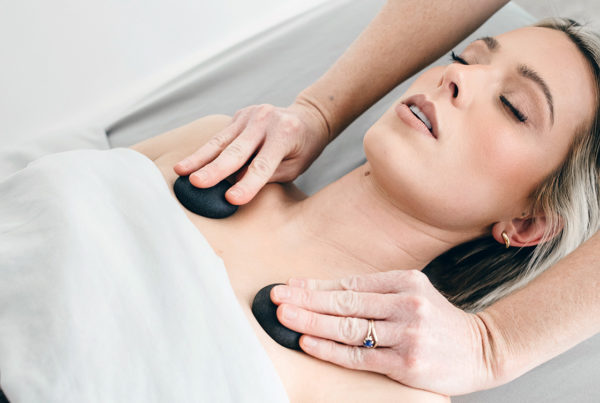
In some cases, your treatment plan may include focused work on areas that are considered sensitive, such as the breasts, abdomen, or gluteal muscles. This type of bodywork is never done lightly or without purpose. It’s always based on your specific needs and goals.
For example, we may work on breast tissue to address pregnancy-related discomfort, mastitis, post-surgical recovery from procedures like mastectomy or augmentation, or chronic tension in the chest.
Any work in these areas is always discussed in detail ahead of time and done only with your full, informed consent. We use professional draping techniques to ensure your privacy and comfort throughout. If breast work is involved, we’ll expose one side at a time or may work over the sheet, depending on what feels best for you.
Our goal is to provide medically appropriate, respectful care that supports your healing. You’ll always be in control of what feels right for your body.

Should I Talk During the Massage or Be Quiet?
This is totally up to you. If you get more relief from venting or discussing your day, feel free to chat away. Tired of talking and just want to sit back and enjoy the experience in silence? We’re okay with that, too. No feelings are going to get hurt if you say, “I just want an hour of silence.” This is your time. Your therapist will check in with you on this topic at the start of each session.
Just a reminder: please DO speak up if the pressure is too much/too little, you get hot or cold, you would like a sip of your beverage, or you need to use the restroom.
Finally, don’t worry about whether you fall asleep during the session either. We don’t mind sleeping, snoring, drooling, or whatever else might happen while you’re experiencing the benefits of a medical massage.
Is Tipping Expected with Medical Massage?
No. When we say gratuities are not necessary, that doesn’t come with a wink or an asterisk. Our transparent pricing policy means the price you see is the price you pay. The best tip you can give us is a Google review or referral to someone else who could benefit from a medical massage.
What If I Want a Mix of Massage Techniques?
You don’t have to pick just one. If you need lymphatic drainage for facial swelling but also want deep tissue work on your lower back, that’s totally doable. We often blend techniques in a single session based on what your body needs. Just let your therapist know what you’re dealing with so we can customize your treatment.
When you’re booking the massage, select the option you feel best categorizes your needs (therapeutic vs deep tissue vs headache massage). Once you’re in touch with your therapist, you can discuss various techniques you’d like to use.
“I got in for a deep tissue massage, but some months I ask for a headache massage and other times I need an intraoral TMJ massage,” said Jennifer Hardy, a client at Via Medical Massage. “The flexibility offered to meet my needs is one of many reasons I keep coming back. It’s never the same massage twice and caters to my body’s pain points. I always leave feeling better and looking forward to the next time.”
How About Add-Ons like Arnica, Cupping, Gua Sha Scraping, etc.?
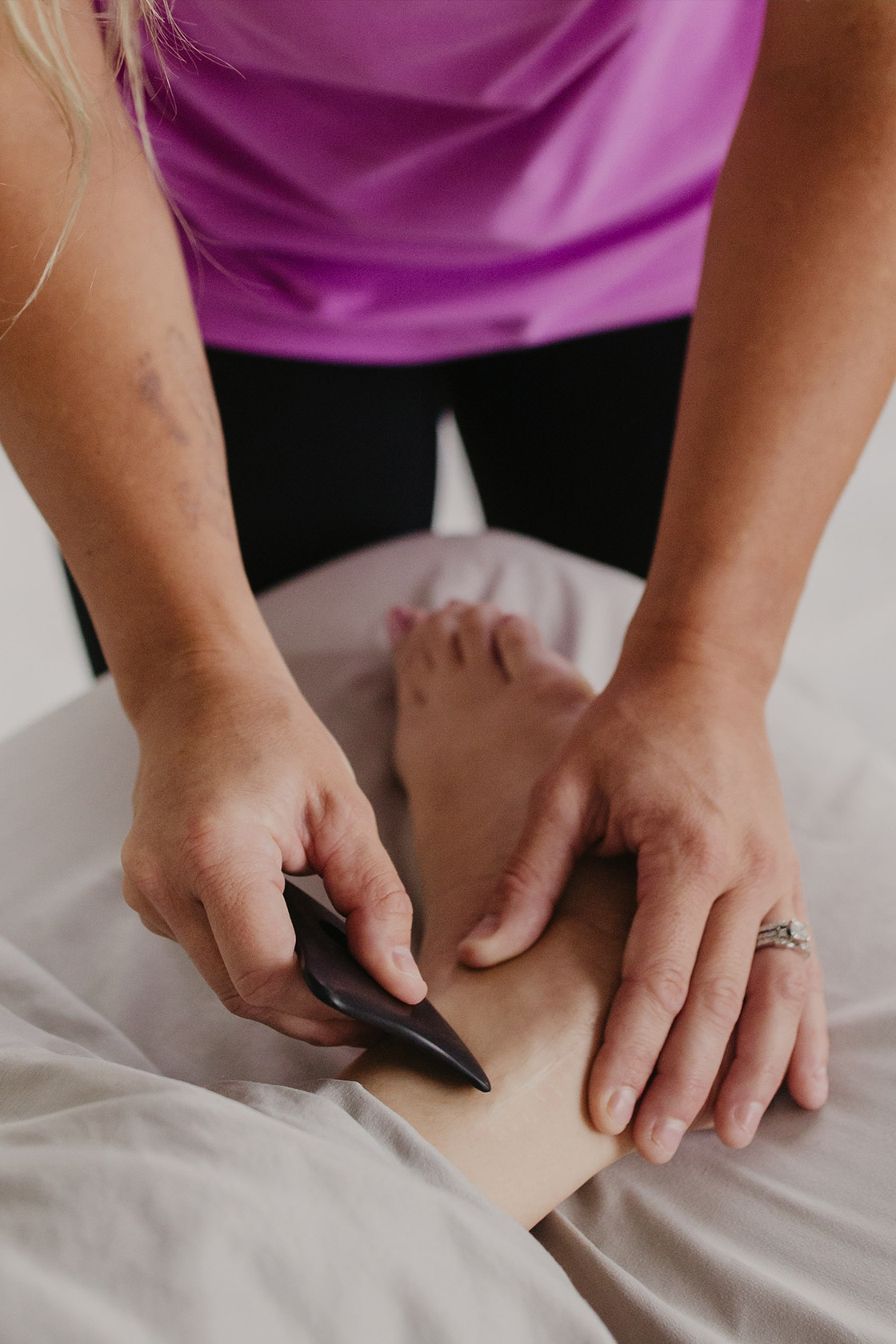
We don’t believe in surprise fees or nickel-and-diming. If your session calls for tools like cupping, scraping (gua sha), or products like arnica, we’ll use them at no extra charge. These aren’t “add-ons” to us; they’re part of giving you the best possible care. You’ll never have to decide between what’s effective and what’s affordable.
Does Via Medical Massage Take Insurance?
In most cases, no, private health insurance rarely covers massage therapy, and when it does, the process is inconsistent at best. That said, we’ve had success getting massage covered through auto insurance after a car accident (with a referral).
If you have a Health Savings Account (HSA) or Flexible Spending Account (FSA), good news: you can use it for massage. We’ll provide the receipts and any documentation you need to submit for reimbursement.
No doctor referral is required to book, but if something in your care plan raises a question, we may reach out to your provider. We also have partners throughout Omaha and Lincoln that can refer you to us, or we can refer you to them if you’re considering surgery or other types of treatments.
What Other Medical Massage Questions Can We Answer?
We want to make sure we’re answering all of the important questions before your massage session so you can enjoy it without stress, anxiety, or unknown expectations. Feel free to email us and ask a question. If you’re ready to book a massage, you can do that online.