

Have you ever walked out of a massage feeling like your body simply moved better? Maybe your shoulders weren’t as stiff, your neck turned a little farther, or standing up didn’t feel like you were made of concrete.
It’s easy to chalk it up to “my therapist got all the knots out.” But your body is actually responding in several fascinating ways while you’re on the table. As your mind starts to relax and your muscles stop guarding every movement, your tissues respond too. Part of that response is explained by a concept called thixotropy.
It’s probably not a word you’ll ever hear your massage therapist say during a session. But while you’re lying on the massage table, somewhere between full conversation and that blissful, almost-asleep state, your body is quietly responding in ways that science is still working to fully understand. Thixotropy is one fascinating piece of that puzzle.
Let’s Make Thixotropy Easy to Understand
Thixotropy is a property of certain materials that become less thick, or less viscous, when they’re moved or gently worked. Once they sit still again, they gradually return to their original state.
A simple example is honey. Fresh out of the pantry, it pours slowly. Warm it up, and it flows much more easily. Ketchup is another example. A few shakes, and suddenly it’s flowing out of the bottle.
Your body isn’t made of honey or ketchup, of course, but some of the gel-like material found within your connective tissues, including fascia, behaves in a similar way.
What Does That Have to Do With Massage?
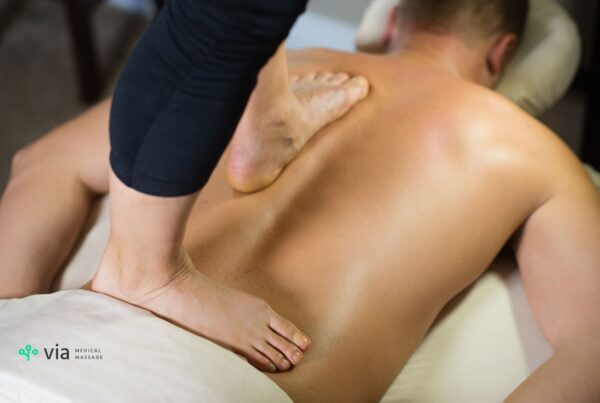
That gel-like material is called ground substance, and it surrounds your muscles, tendons, ligaments, and fascia. This material helps tissues glide smoothly over one another as you move. During massage, gentle pressure, stretching, and movement may temporarily make this ground substance a little less resistant, allowing tissues to move more freely.
That doesn’t mean massage physically reshapes healthy fascia or instantly removes long-standing tissue restrictions. Instead, think of it as helping your body’s tissues glide and move with less resistance for a period of time.
This is also why a skilled massage therapist doesn’t always chase the spot that hurts the most. While that tight shoulder or sore hip may be where you feel the discomfort, your therapist is often looking at how the surrounding muscles, connective tissues, and nervous system are working together. Sometimes treating the “problem area” means working somewhere completely different.
Thixotropy Is Only One Piece of the Puzzle
Researchers continue to study thixotropy and its role in connective tissue. Rather than viewing it as the entire explanation for why massage works, it’s now considered one of several ways the body responds to therapeutic touch.
Think of thixotropy as one musician in an orchestra. It’s important, but it isn’t performing a solo. During a massage, your connective tissues, muscles, nervous system, circulatory system, and even your brain are all responding together to create the experience you feel when you get off the table.
Massage may help by:
- Encouraging healthy movement between tissues
- Improving local circulation
- Helping reduce protective muscle guarding
- Calming the nervous system
- Changing how the brain interprets pain
- Temporarily improving flexibility and range of motion
Thixotropy is simply one piece of a much bigger picture.
Your Body Does the Work. Your Therapist Guides It.
One of the biggest misconceptions about massage is that a therapist is simply forcing tight muscles to release.
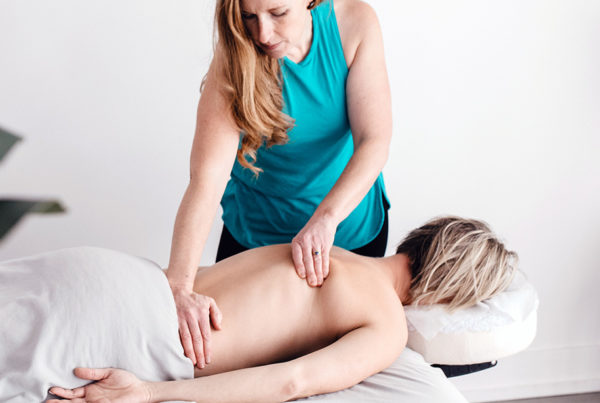
In reality, an experienced massage therapist is paying close attention to how your body responds throughout the session. They adjust pressure, technique, and positioning based on what your tissues are telling them. Rather than forcing change, they’re creating the right conditions for your body to relax, move more comfortably, and respond to treatment.
That’s also why professional massage is different from trying to work on yourself at home. Foam rollers, massage guns, therapy balls, stretching, and self-massage are all valuable tools between appointments. They can help maintain progress, reduce soreness, and keep you moving.
But they can’t replace the trained hands of a therapist who can assess how your body is moving, identify areas of compensation, and adapt treatment as your muscles, connective tissues, and nervous system respond in real time.
Whether you’re dealing with chronic pain, recovering from an injury, or simply trying to move better, massage isn’t about forcing your body to change. It’s about working with it.
Help Your Tissues Keep Moving Between Massages
A professional massage can encourage healthy movement between your connective tissues, but what you do between appointments matters, too. Here are a few simple ways to support tissue glide and overall mobility at home.
Keep Moving
Movement is one of the best ways to keep connective tissues healthy. Walking, gentle stretching, yoga, Pilates, or mobility exercises all encourage tissues to glide rather than become stiff after long periods of inactivity.
Stay Hydrated
Ground substance is made up largely of water. While drinking more water won’t magically “hydrate your fascia,” staying adequately hydrated supports the tissues throughout your body and helps them function as they should.
Change Positions Frequently
If you spend hours at a desk or behind the wheel, your tissues stay in the same position for long stretches. Getting up every 30 to 60 minutes to walk, stretch, or simply change positions can help reduce stiffness.
Use Self-Massage Tools
Foam rollers, massage balls, and massage canes can help maintain mobility between appointments. They’re not a replacement for hands-on care, but they can be a great addition to your routine when used correctly.
Don’t Skip Recovery
Sleep, regular movement, stress management, and good nutrition all influence how your muscles and connective tissues recover from daily life.
See a Massage Therapist Before You’re Miserable
Many people wait until they’re in significant pain before scheduling a massage. Regular maintenance sessions can often help address tension and movement restrictions before they become bigger problems.
The Thixotropy Takeaway
Our therapists don’t spend your session throwing around scientific terminology. That’s your time to relax. But we also believe understanding why massage works helps you see why it’s an investment in your health, not just a luxury. That’s why we love sharing the science behind therapeutic massage in articles like this.
At Via Medical Massage in Lincoln and Omaha, our massage therapists are dedicated to listening to your concerns, assessing how your body moves, and using evidence-informed techniques to help you move with less discomfort and more confidence.
When you’re ready to book, the portal is open 24/7.