
We know that exercise helps keep muscles strong, but your lymphatic system wants to get in on the workout. Taking care of your lymphatic system doesn’t always require a trip to the gym. In fact, some of the best lymph exercises at home are slow, gentle movements that encourage your body’s natural lymph flow.
Unlike your circulatory system, which has the heart to pump blood throughout your body, the lymphatic system relies on muscle contractions, deep breathing, and body movement to move lymph fluid. That’s one reason walking, stretching, and mobility exercises can be so beneficial for lymphatic system care.
If you’re already receiving Manual Lymphatic Drainage (MLD) massage, this simple 10-minute lymphatic drainage workout can help support healthy lymph flow between appointments. If you’re simply looking for an easy daily wellness routine, these exercises are a great place to start.
Keep in mind that while movement supports the lymphatic system, it isn’t a substitute for professional Manual Lymphatic Drainage massage, especially after surgery or when managing certain medical conditions.
Why Lymphatic System Care Matters
Your lymphatic system helps remove excess fluid, transport immune cells, and carry waste products away from tissues. Because it doesn’t have a pump like the heart, lymph depends on movement to travel through a network of vessels and lymph nodes.
Simple activities like deep breathing, walking, and gentle stretching create natural muscle contractions that help encourage lymph flow. Combined with healthy hydration and regular movement, these habits can become an important part of your overall lymphatic system care.
Areas of Focus During a Lymph Drainage Workout
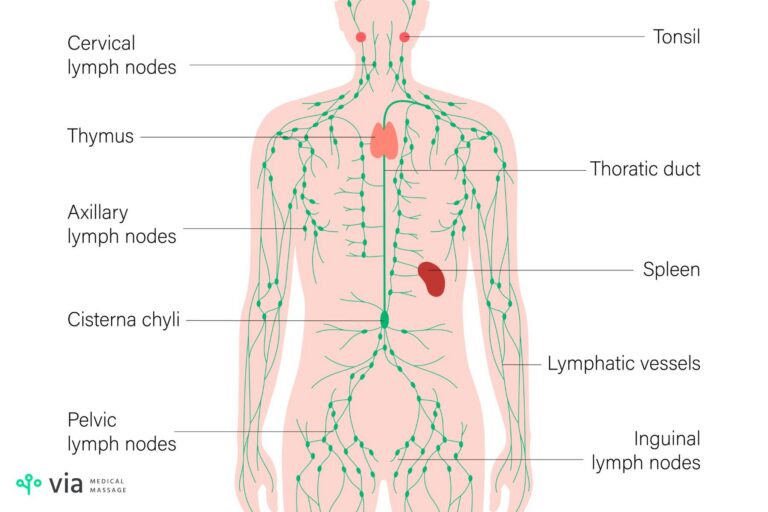
One of the principles behind lymphatic movement is working with the body’s natural drainage pathways. This routine focuses on gentle movement around the major clusters of lymph nodes that help collect and filter lymph fluid throughout the body.
During this workout, we’ll target:
- Cervical lymph nodes (neck): Help drain the head, face, scalp, and neck.
- Supraclavicular lymph nodes (above the collarbone): One of the final drainage areas where lymph returns to the bloodstream.
- Axillary lymph nodes (armpits): Drain the arms, chest, upper back, and portions of the breast tissue.
- Thoracic and chest lymphatic pathways: Support lymph movement through the upper body and torso.
- Abdominal lymphatics: Work alongside the diaphragm and core muscles to help move lymph through the abdomen.
- Inguinal lymph nodes (groin): Drain the hips, pelvis, buttocks, legs, and feet.
- Lower leg lymphatics: The muscles of the calves, ankles, and feet help pump lymph back toward the heart during movement.
Remember, these lymphatic exercises aren’t designed to “drain” lymph the way a Manual Lymphatic Drainage (MLD) massage does. Instead, they use breathing, muscle contractions, and gentle mobility to support your body’s natural lymphatic circulation.
The 10-Minute Lymphatic Drainage Workout
This routine gently targets the major lymph node regions from your neck to your legs. Move slowly, breathe continuously, and remember that this isn’t about breaking a sweat. It’s about supporting healthy movement throughout your body.
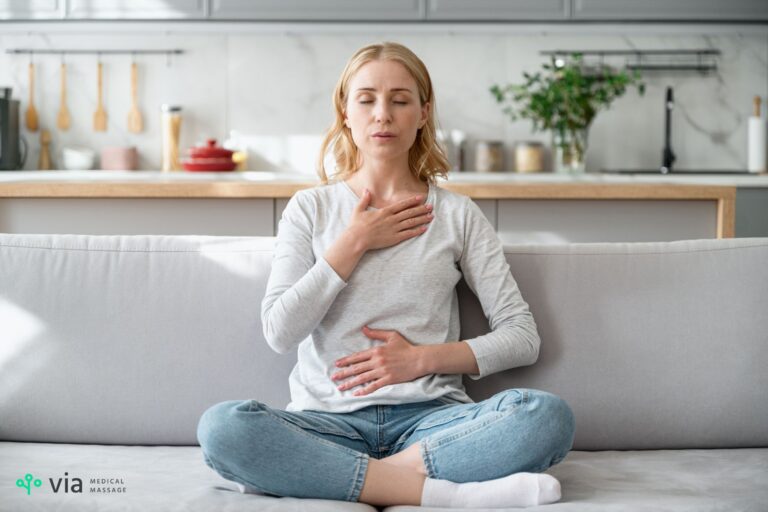
Deep Belly Breathing
Targets: Thoracic Duct and Deep Abdominal Lymphatics
Begin by sitting or lying comfortably.
Take slow breaths in through your nose, allowing your belly to expand. Exhale fully through your mouth. Continue for one minute.
Deep diaphragmatic breathing naturally changes the pressure inside your chest and abdomen, helping encourage lymph fluid to move through the body’s largest lymphatic vessels.
Neck Circles and Chin Tucks
Targets: Cervical Lymph Nodes
Slowly tilt your head from side to side before performing several gentle chin tucks.
Avoid forcing any movement. The goal is simply to loosen the muscles surrounding the neck, where many lymph nodes help drain the head, face, and scalp.

Shoulder Rolls and Arm Circles
Targets: Axillary (Armpit) and Supraclavicular Lymph Nodes
Roll your shoulders forward several times, then backward. Finish with small arm circles in each direction.
These movements help improve mobility through the shoulders and upper chest while activating muscles surrounding the large lymph node clusters beneath the arms.
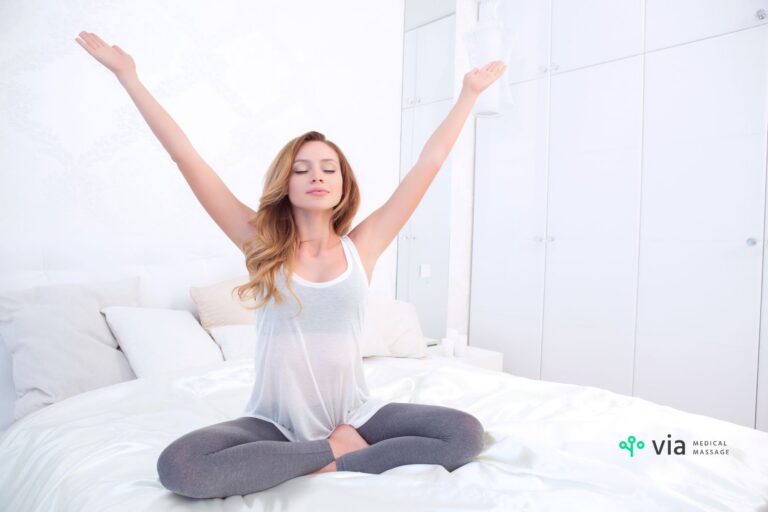
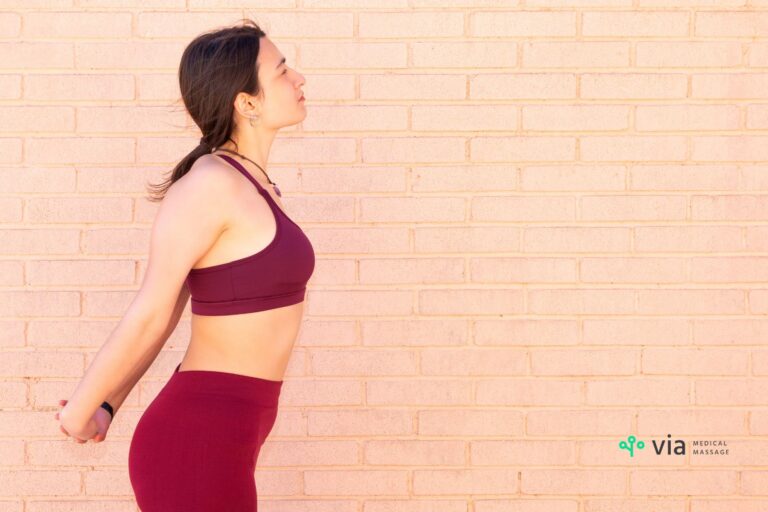
Chest Openers
Targets: Chest and Upper Body Lymphatic Pathways
Stand tall and either clasp your hands behind your back or open your arms wide across your chest. Hold the stretch while taking several slow breaths before relaxing.
Opening the chest encourages comfortable movement through the shoulders and upper torso, where many lymphatic pathways from the arms and upper body meet.
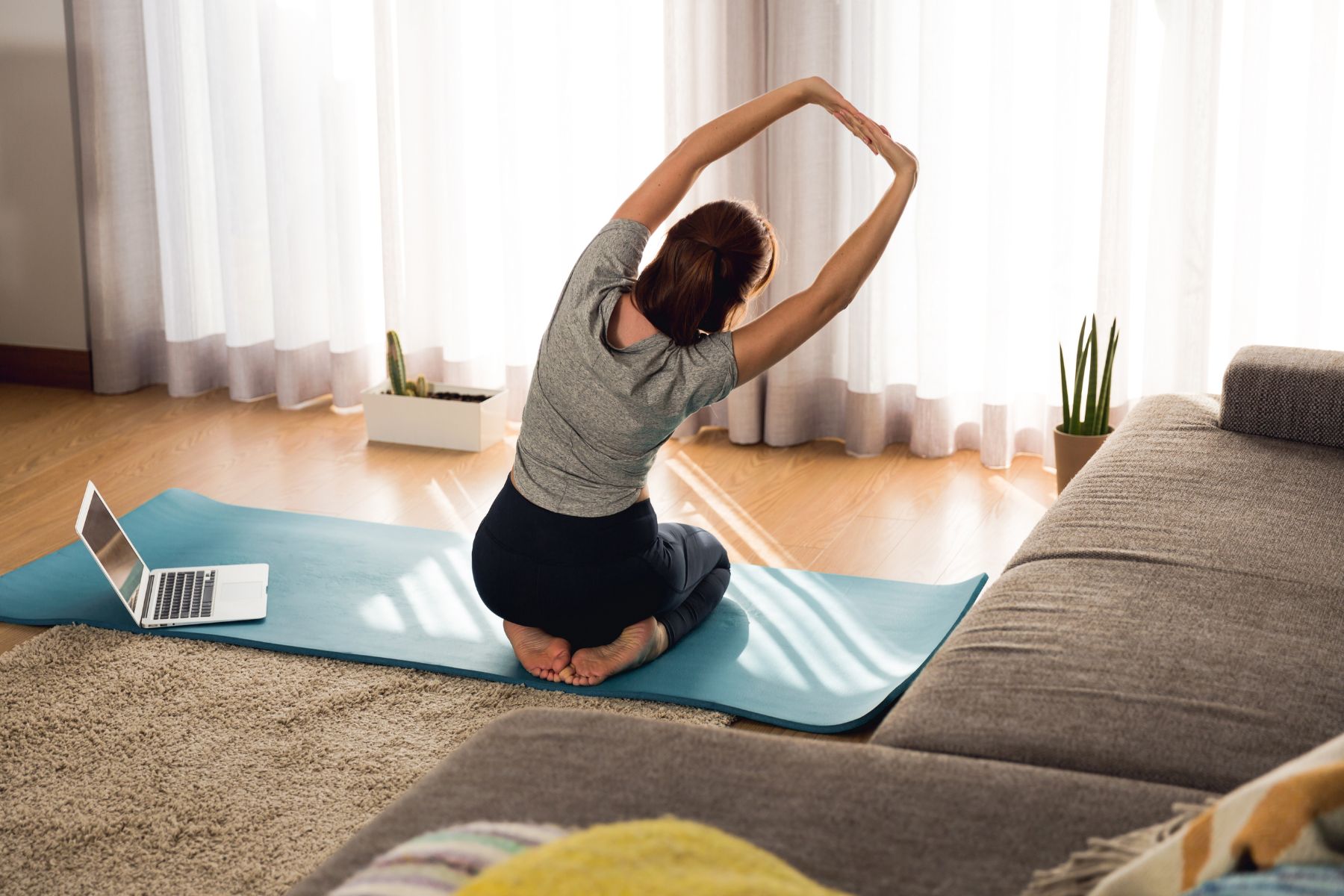
Standing Side Bends and Trunk Rotations
Targets: Abdominal and Lumbar Lymphatics
Reach one arm overhead and gently lean to the opposite side. Alternate sides before slowly rotating your torso left and right.
These movements activate the muscles surrounding your abdomen while encouraging movement through the body’s central lymphatic pathways.

March in Place or Gentle Heel Lifts
Targets: Inguinal (Groin) Lymph Nodes and Lower Extremities
March comfortably in place while allowing your arms to swing naturally. If you prefer less impact, perform slow heel raises instead.
Every contraction of your calf muscles helps move blood and lymph back toward your torso, making this one of the easiest ways to support healthy lymph flow.
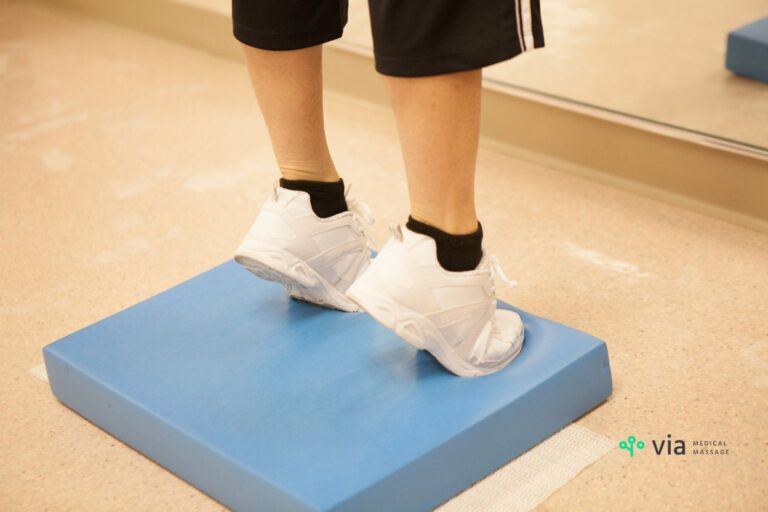
Ankle Pumps and Circles
Targets: Lower Leg Lymphatics
While sitting or standing, flex your feet up and down several times before slowly circling each ankle.
These gentle movements encourage circulation through the feet, ankles, and calves while helping reduce stiffness from prolonged sitting.
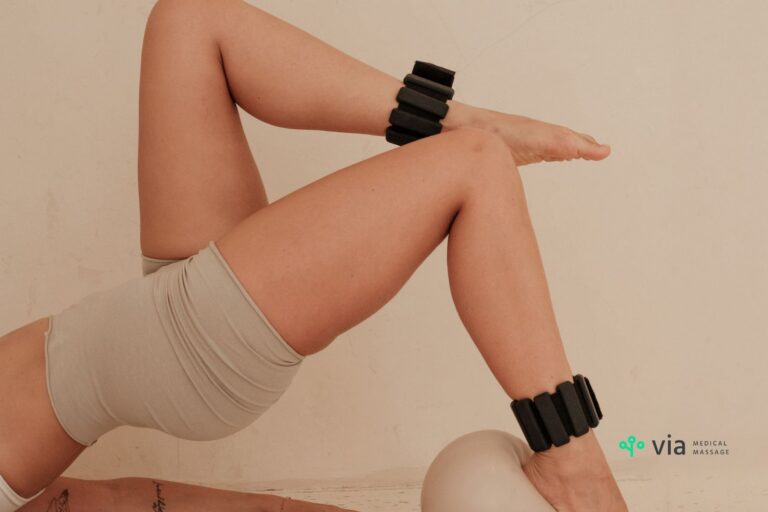
Mini Squats or Sit-to-Stands
Targets: Leg Muscles and Pelvic Lymphatics
Perform several shallow squats, or simply stand up from a chair and slowly sit back down.
The muscles in your thighs and hips are among the largest in your body. Activating them naturally helps support lymph movement throughout the lower extremities.
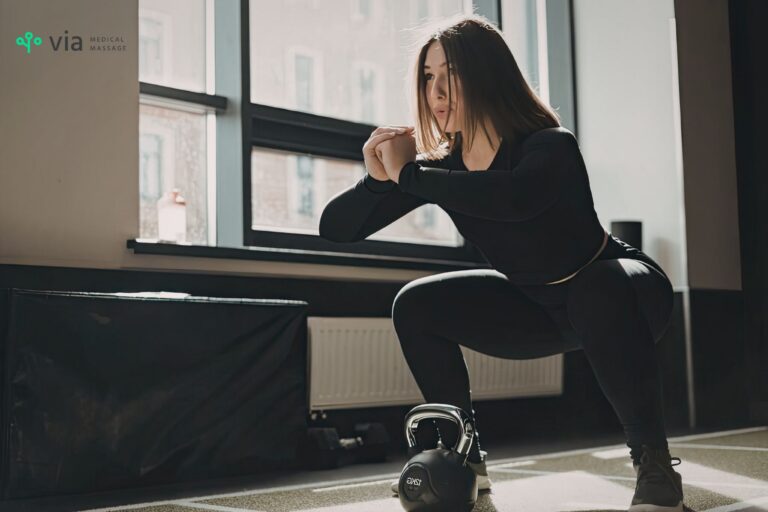
Knee Lifts or Gentle Leg Swings
Targets: Inguinal (Groin) Lymph Nodes
Lift one knee toward your chest at a time or hold onto a sturdy chair while performing gentle side leg lifts.
These movements encourage mobility around the hips and pelvis while targeting another major concentration of lymph nodes.
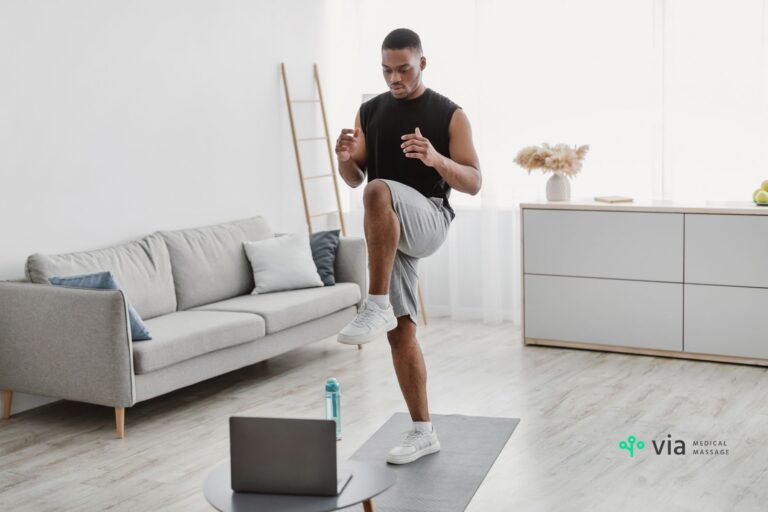
Finish with Deep Breathing and Relaxed Arm Swings
Targets: Whole Body Lymphatic System
Finish your routine with another minute of slow belly breathing while gently swinging your arms at your sides.
Long, slow exhales help relax your body while giving your lymphatic system one final gentle boost before returning to your day.

Tips for Better Lymphatic System Care at Home
To get the most from these lymphatic exercises at home:
- Keep every movement slow, gentle, and pain-free.
- Breathe continuously throughout the routine. Avoid holding your breath.
- Stay well hydrated to support healthy lymph fluid movement.
- Consistency is more important than intensity. A few minutes each day is more beneficial than an occasional strenuous workout.
- Pair these exercises with regular walking whenever possible.
When to Talk to Your Healthcare Provider
While this 10-minute lymphatic exercise routine is appropriate for many healthy adults, you should speak with your healthcare provider before beginning if you have:
- Lymphedema
- Significant swelling
- Recent surgery
- Active cancer treatment
- A history of blood clots
- Congestive heart failure
- Kidney disease or impaired kidney function
If you’ve recently had surgery, your provider or Manual Lymphatic Drainage therapist can also recommend the best timeline for safely adding movement to your recovery plan. We love to work with providers to help get you the care you need.

Support Your Lymphatic System with Professional MLD
Daily movement is an excellent way to care for your lymphatic system, but it isn’t the same as a professional Manual Lymphatic Drainage massage.
At Via Medical Massage, our therapists are specially trained in MLD techniques that gently guide lymph fluid through the body’s natural drainage pathways. Whether you’re recovering from cosmetic surgery, managing swelling, supporting postpartum recovery, or simply looking to improve your overall wellness, we’ll create a treatment plan that’s tailored to your goals.
Pairing professional Manual Lymphatic Drainage massage with regular lymph exercises at home can help you support healthy lymph flow, reduce swelling, and keep your body moving the way it was designed to. Book a session now through our online booking portal at one of two locations in Lincoln and one in West Omaha (Elkhorn).