
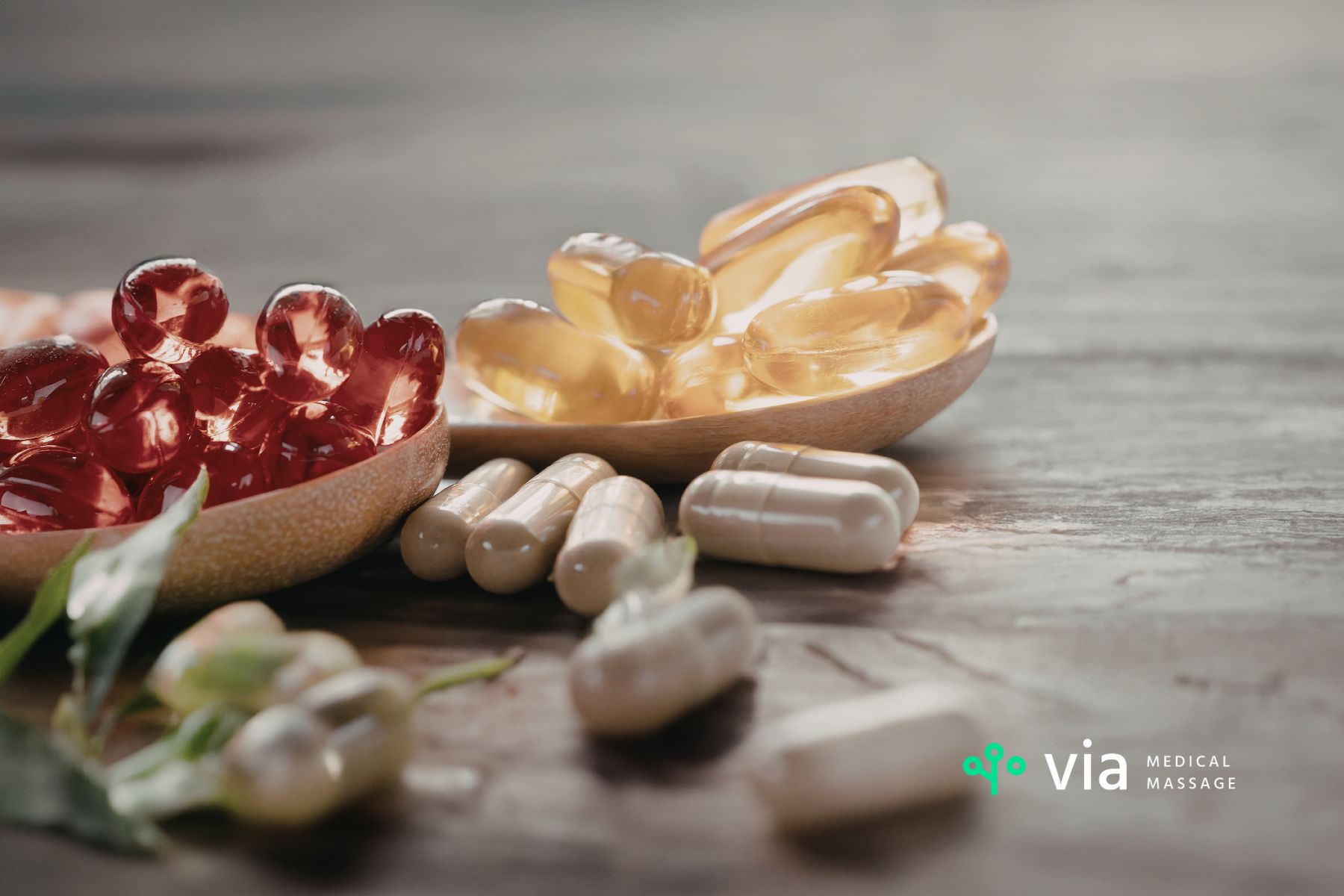
Inflammation is part of the body’s natural healing process. It helps protect injured tissue, fight infection, and start repair. The problem begins when inflammation sticks around longer than it should. Chronic inflammation is linked to joint pain, fatigue, muscle stiffness, digestive issues, and slower recovery after injury or surgery.
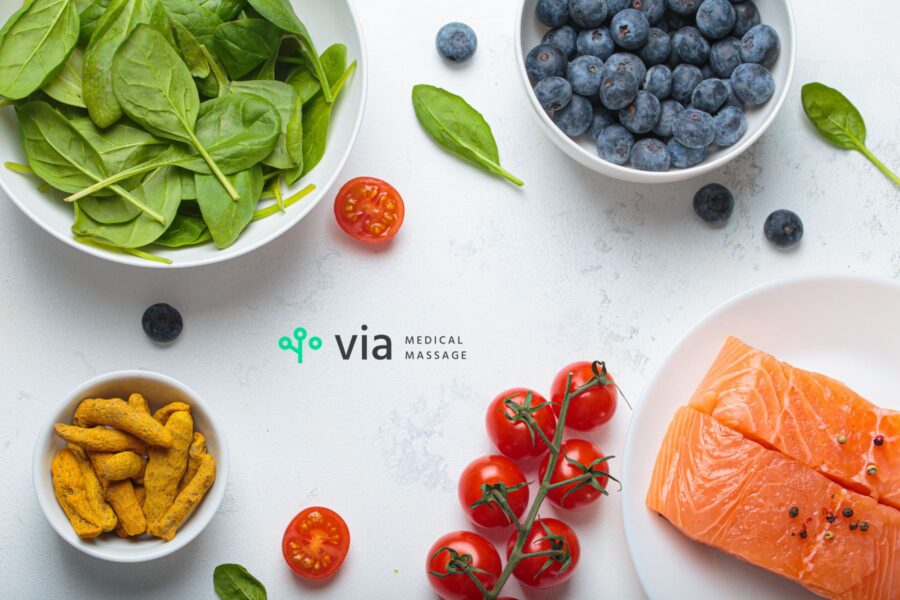
Most health professionals agree that anti-inflammatory foods should come first. However, certain supplements may help support the body’s inflammatory response, especially when paired with good nutrition, sleep, and movement. Below are several supplements commonly discussed for their potential anti-inflammatory benefits.
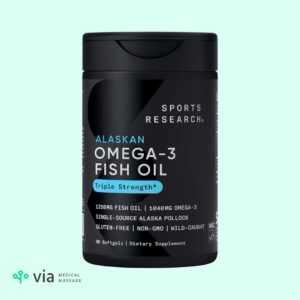
Omega-3 Fish Oil
Omega-3 fatty acids are one of the most widely studied anti-inflammatory supplements. They are found naturally in fatty fish such as salmon, sardines, and mackerel.
Omega-3s contain EPA and DHA, which help regulate inflammatory signals in the body. Research has linked omega-3 intake to reduced joint stiffness, improved heart health, and lower levels of inflammatory markers.
People who do not eat much fish sometimes consider fish oil supplements to help increase their intake. As with any supplement, quality and dosage can vary, so professional guidance is helpful.
WE RECOMMEND: Sports Research Omega-3 Fish Oil
Curcumin (Turmeric Extract)
Curcumin is the active compound found in turmeric, the bright yellow spice used in many cuisines. Curcumin has been widely studied for its antioxidant and anti-inflammatory properties.
Some studies suggest curcumin may help reduce inflammatory markers in the body and support joint health. It is often used by people dealing with muscle soreness, arthritis, or chronic inflammation.
Curcumin supplements are usually paired with black pepper extract, which helps the body absorb it more effectively.
WE RECOMMEND: NatureWise Curcumin Turmeric 2250mg

Vitamin D
Vitamin D plays an important role in immune function and inflammation regulation. Low vitamin D levels are fairly common, especially in colder climates or among people who spend most of their time indoors.
Research suggests that vitamin D deficiency may be associated with higher levels of inflammation. For people who are deficient, supplementation may help support immune balance and reduce inflammatory responses.
A blood test can determine vitamin D levels and help guide proper supplementation.
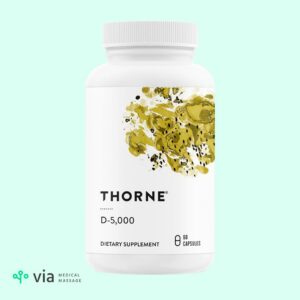
WE RECOMMEND: THORNE Vitamin D3 Supplement
Probiotics and Gut Health
Gut health is closely tied to inflammation throughout the body. The digestive tract contains trillions of bacteria that help regulate immune activity, digestion, and inflammation.
Probiotic supplements introduce beneficial bacteria that may help balance the gut microbiome. When the gut environment improves, some people experience better digestion, improved immune function, and lower levels of systemic inflammation.
Certain probiotic strains may be more helpful than others, so individualized guidance can be useful.
WE RECOMMEND: Physician’s CHOICE Probiotics 60 Billion CFU

Ginger and Other Plant Compounds
Several plant-based compounds are also being studied for anti-inflammatory effects. Ginger is one of the most common examples and has been used traditionally to support digestion and reduce inflammation. It can have added benefits when paired with turmeric.
Other plant compounds sometimes discussed include green tea extract, resveratrol, and bromelain from pineapple. Research on these varies, but they are often included in broader anti-inflammatory wellness approaches.
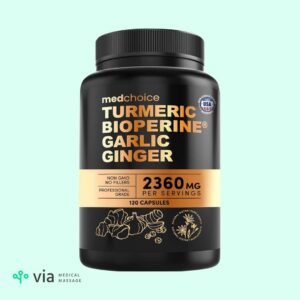
WE RECOMMEND: 4-in-1 Turmeric and Garlic Supplements with BioPerine
Anti-Inflammatory Supplements Work Best With a Healthy Foundation
It is important to remember that supplements are meant to support a healthy lifestyle, not replace one. Anti-inflammatory foods, good sleep habits, regular movement, and stress management all play a major role in how the body heals.
Medical massage and lymphatic work can also support the body’s recovery process by helping circulation, reducing muscle tension, and supporting the movement of lymphatic fluid.
Healing Works Best When Your Care Team Works Together
Reducing inflammation often works best when different parts of your care team support the same goal. Nutrition, movement, medical care, and therapeutic bodywork can all play a role depending on your situation. We’ve also put together a list of the Top 10 Anti-Inflammatory Foods and the Top 8 Anti-Inflammatory Drinks.
For some people, that might mean working with a nutrition professional to focus on anti-inflammatory foods while receiving medical massage to address muscle tension and circulation.
Via Medical Massage partners with several fitness and nutrition experts in the Lincoln and Omaha area, including:
- AIM Nutrition Counseling | Lincoln & Gretna
- LP Fitness | Lincoln
- Peachy Plate Nutrition
- Power Nutrition | Lincoln
Others may be recovering from surgery and working with medical providers, post-surgical care specialists, and massage therapists to support healing.
When these approaches work together, the body often responds better. Instead of addressing just one piece of the puzzle, a collaborative approach can support the entire recovery process.
If you are in the Omaha or Lincoln area, Via Medical Massage works alongside trusted healthcare and nutrition partners who focus on helping people reduce inflammation and support long-term healing.
This page may contain affiliate links. If you purchase through them, we may earn a small commission at no extra cost to you. We only recommend products we personally use and trust.
Pin Anti-Inflammatory Drinks